


Quick Facts
- Wild-harvested from the Northumberland Strait
- Species: Crassostrea virginica (Eastern Oyster)
- Average size: 3 – 3.5 inches
- Flavor profile: Well-balanced with sweet brine and mild cucumber finish
- Growth period: Approximately 3 years
What Are Lady Chatterley Oysters?
Lady Chatterley oysters are a distinctive variety of wild-grown Eastern oysters. They are harvested from the pristine waters of the Northumberland Strait. This strait separates New Brunswick and Prince Edward Island in Canada. These oysters stand out for their unique appearance. Their shells are adorned with bright green hues and occasional barnacles, reflecting their natural habitat.
What sets Lady Chatterley oysters apart is their well-balanced flavor profile. Unlike many oysters that lean heavily towards brininess, these offer a harmonious blend of flavors. They start with a salty kick that gradually transitions into a mild, cucumber-like smoothness, providing a complex tasting experience.
The wild cultivation of Lady Chatterley oysters occurs in the red bay mud of the Northumberland Strait. This environment contributes to their distinctive taste. This natural growth process results in oysters that are so flavorful. They are often enjoyed straight up, without any sauce. This allows connoisseurs to fully appreciate their unique taste.

How Did Lady Chatterley Oysters Get Their Name?
The name draws inspiration from the famous novel “Lady Chatterley’s Lover” by D.H. Lawrence, perhaps alluding to the oyster’s reputation as an aphrodisiac or their sophisticated flavor profile. It aims to evoke a sense of refinement and allure linked to these wild-harvested oysters.
The Cultivation Process
The journey of a Lady Chatterley oyster starts when tiny oyster larvae settle on the strait’s bottom. As they grow, the strait’s powerful tides wash over them twice daily, bringing a feast of nutrients. This natural rhythm not only feeds the oysters but also shapes their unique flavor.
Harvesters use traditional techniques to gather these oysters, often working from small boats with long-handled tongs or dredges. This approach keeps the seabed ecosystem largely undisturbed. The wild growth gives each Lady Chatterley oyster its own character. You’ll find various shapes and sizes. Sometimes, seaweed or barnacles add to their rustic charm.

Sustainability is key in Lady Chatterley oyster harvesting. Harvesters follow strict rules to prevent overfishing, ensuring plenty of oysters for years to come. The commitment to the environment preserves the oyster population. It also contributes to the premium quality and unique taste of Lady Chatterley oysters. It’s a win-win for both oyster lovers and the ecosystem.
Lady Chatterley Oysters Information
Oyster: Lady Chatterley
Species: Eastern Oyster (Crassostrea virginica)
Cultivation Method: Wild-caught, 3-year growth period.
Size: 3 – 3.5″
Seasonality: Year-round
Culture Method: Wild-grown in the Northumberland Strait
Salinity: 24-27 ppt (parts per thousand)

Appearance: Lady Chatterley oysters have distinctive shells with bright green hues. As wild-grown oysters, they show varied shapes and have seaweed or barnacles attached, giving them a rustic, natural appearance.
Flavor Profile: They start with a salty, briny flavor. Followed by a subtle sweetness. Smooth, mild cucumber finish. The overall flavor is described as very well-balanced with a medium brine intensity.
Location
Lady Chatterley oysters are harvested from the Northumberland Strait, a body of water separating Prince Edward Island from New Brunswick and Nova Scotia in Atlantic Canada. This location provides ideal conditions for oyster growth, contributing significantly to the oysters’ quality and distinctive flavor profile.
The Ecosystem
The Northumberland Strait is characterized by complex tidal patterns and shallow depths, ranging from 17 to 65 meters5. These characteristics create a nurturing environment for diverse marine life. The strait’s shelter from the open ocean also supports this biodiversity. This includes oysters5. The strait’s waters are among the warmest in Canada, which promotes oyster growth and development5.
A crucial factor in oyster cultivation is salinity. The Northumberland Strait’s salinity is approximately 27.67‰ (parts per thousand), which falls within the optimal range for Eastern oysters (Crassostrea virginica)12. This salinity level supports healthy oyster growth while contributing to their unique flavor profile.
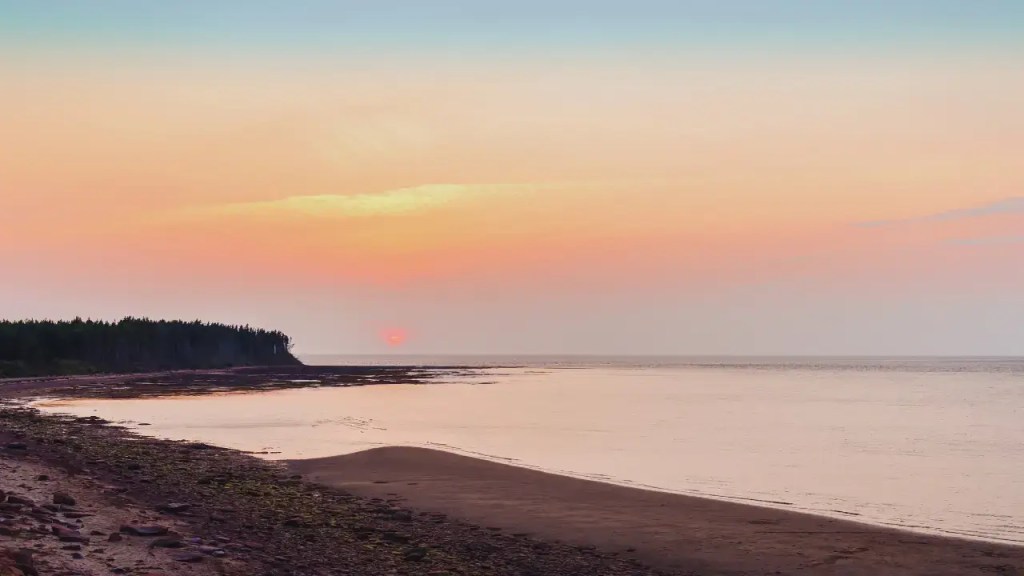
The strait’s ecosystem is enriched by the cold Labrador current, which brings nutrient-rich water from the Arctic5. This nutrient influx, merged with the rocky coastlines and many bays and inlets, creates diverse habitats ideal for oyster cultivation5. The region’s commitment to sustainable fishing practices further ensures the health of the oyster population and the overall ecosystem5.
Environmental factors in the Northumberland Strait fluctuate seasonally, influencing oyster growth and flavor. During summer, surface water temperatures can range from 15°C to 24°C, occasionally peaking above 25°C6. These temperature variations affect the oyster’s growth patterns. Seasonal changes in phytoplankton communities also shape the oyster’s flavor development throughout the year6.
The Northumberland Strait has a unique combination of environmental factors. These include its salinity, temperature regime, nutrient-rich waters, and diverse ecosystem. This creates an ideal habitat for Lady Chatterley oysters. These factors result in their distinctive taste and high quality.
Suggested Beverage Pairings
- Chablis Premier Cru “Montmains” Domaine Louis Michel & Fils
This crisp, mineral-driven Chardonnay enhances the oysters’ brininess while complementing their subtle sweetness. - Txakoli “Txomin Etxaniz” from Getaria, Spain
The high acidity and slight effervescence of this Basque white wine cut through the oysters’ creaminess beautifully. - Billecart-Salmon Brut Rosé Champagne
The delicate bubbles and red fruit notes of this champagne provide an elegant contrast to the oysters’ salinity. - Talisker 10 Year Old Single Malt Scotch
This coastal Scotch whisky’s subtle smokiness and maritime character harmonize with the oysters’ briny profile. - The Botanist Islay Dry Gin Martini
Made with this herb-infused gin, a dry martini’s botanicals complement the oysters’ cucumber-like finish.
Where Can I Buy Lady Chatterley Oysters
- Atlantic Aqua Farms – Atlantic Aqua Farms offers Lady Chatterley oysters in 3″-3.5″ CHOICE size. They provide detailed product specifications and flavor profiles for these wild-harvested oysters.
References
Canada. Department of Fisheries and Oceans. “Northumberland Strait Marine Protected Area.” Fisheries and Oceans Canada, Government of Canada, www.dfo-mpo.gc.ca/oceans/mpa-zpm/northumberland-eng.html. Accessed 4 Oct. 2024.
Fox Harb’r Resort. “The Seafood Bounty of the Northumberland Strait.” Fox Harb’r Resort, www.foxharbr.com/blog/seafood-bounty-northumberland-strait/. Accessed 4 Oct. 2024.
Kellogg, M. Lisa, et al. “Oyster Reef Habitat Depends on Environmental Conditions and Management Status in Chesapeake Bay.” Marine Ecology Progress Series, vol. 721, 19 Oct. 2023, pp. 103-119, doi:10.3354/meps14359.
Stay Connected with The Oyster Encyclopedia!
Follow us on social media to get the latest updates, oyster recipes, and behind-the-scenes glimpses into the world of oysters:
Stay tuned for exclusive content, oyster trivia, and more! Engage with our vibrant community of oyster enthusiasts by liking, commenting, and sharing our posts. Your support helps us continue providing valuable oyster knowledge to fellow seafood lovers worldwide.
Discover more from The Oyster Encyclopedia
Subscribe to get the latest posts sent to your email.