


The Golden Nugget oyster is a rare, tumbled variety cultivated in Tomales Bay, California. These oysters have a small size and deep cups, similar to Kumamoto. The farmers use a dynamic tumbling system to tumble the oysters with every tide, resulting in a deep-cupped, plump, and ivory-fleshed oyster.The flavor profile of Golden Nugget oysters starts with the brine of the Tomales Bay estuary and mellows into a rich, buttery finish with hints of melon and cucumber.
The name “Golden Nugget” likely reflects the prized nature of these oysters and their golden, buttery finish. The tumbling process involves the oysters being regularly removed, tumbled in a mechanical tumbler, and returned, resulting in a stronger shell and full meat with little room for liquor. This method is environmentally sensitive and does not disturb bottom-dwelling organisms or eelgrass, making it a sustainable choice.
How Did Golden Nugget Oysters Get Their Name?
The Tomales Bay Oyster Company (TBOC) cultivates the Golden Nugget oyster, which originates from Tomales Bay, California. Drew Alden, who managed TBOC from 1989 to 2009, coined the name “Golden Nugget.” Alden developed a dynamic tumbling system that shapes the oysters into a deep-cupped form, which he named the Golden Nugget.
About Tomales Bay Oyster Company
The Tomales Bay Oyster Company (TBOC), established in 1909, is California’s oldest continuously operated shellfish farm. TBOC has a long history of oyster farming in Marshall, California, producing over a million Pacific oysters annually. The company operates on two leases from the California Department of Fish and Wildlife, covering 218 acres. TBOC commits to practicing sustainable farming, using durable, reusable materials, and participating in bay-wide cleanups to preserve the health of Tomales Bay. The farm’s oysters are known for their high quality and are sold directly to consumers and local distributors.
Several key developments and ownership changes mark the history of TBOC. Initially founded by Eli Gordon of the Pacific Coast Oyster Company, Oscar Johannson later managed the farm and then leased it to the American Shellfish Company, which introduced clutchless oyster raising. In 1988, Bill Wilson bought the company and implemented modern growing methods. Drew Alden managed TBOC from 1989 to 2009, developing the dynamic tumbling system producing deep-cupped Golden Nugget oysters. In 2009, Tod Friend took over, enhancing the farm’s operations and picnic areas until his tragic death in 2017.
The company is now managed by Cathryn Irving and Heidi Gregory, who continue to uphold its legacy.TBOC has faced challenges, including litigation with the California Coastal Commission over its operations and visitor management. The farm’s popularity often led to traffic congestion, prompting regulatory scrutiny. In 2022, TBOC received its first-ever coastal development permit, allowing it to continue its operations under specific conditions to protect the bay’s environment. These conditions include removing old equipment, marking shellfish bags, and adhering to designated vessel routes to minimize habitat disturbance. The company has been praised for its efforts to comply with these regulations and its commitment to environmental stewardship.
Golden Nugget Oysters Information
Oyster: Golden Nugget
Species: Pacific (Crassostrea gigas)
Cultivation Method: Farmed for 12 to 24 months.
Seasonality: Fall through Spring
Size: Small, 2 – 2½” in size
Culture Method: Dynamic tumbling system that tumbles the oyster with every tide
Salinity: 24-28 ppt
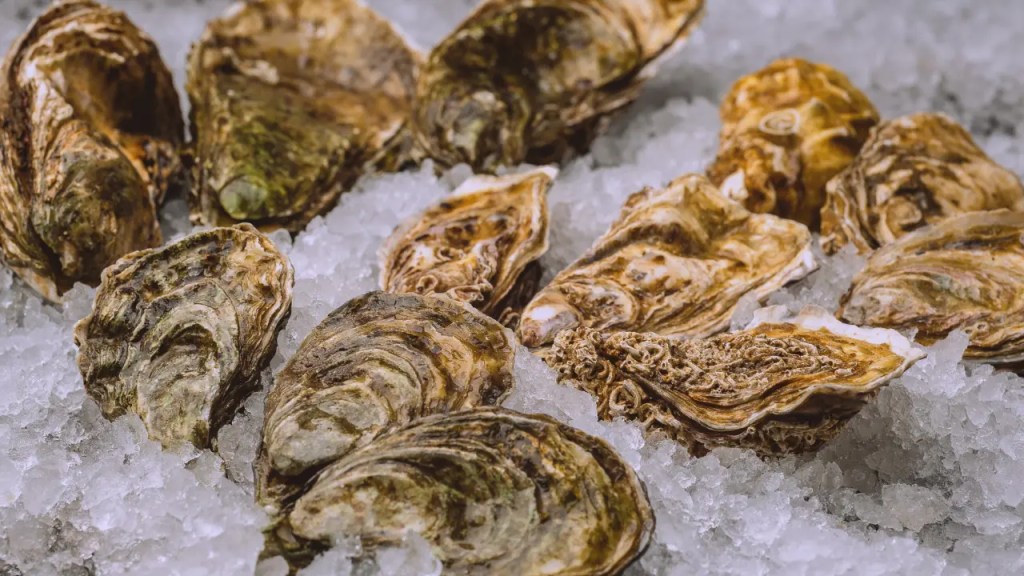
Appearance: small in size, typically measuring between 2 to 2½ inches. They have a deep cup and a Kumamoto-like shape, achieved through a dynamic tumbling system that shapes the oysters into a beautiful, deep-cupped form with plump, ivory-fleshed meat.
Flavor Profile: Starts with the brine of the Tomales Bay estuary and mellows into a rich, buttery finish with hints of melon and cucumber. A large scallop (adductor muscle) provides a firm, crisp texture.
Location
The farmers cultivate Golden Nugget Oysters on the north shore of Millerton Point in Tomales Bay. Their oyster beds are in the Tomales Bay estuary.
Due to several key factors, Tomales Bay is ideal for supporting oyster life. The bay provides a mix of saltwater from the Pacific Ocean and freshwater from local streams, creating a moderate salinity level optimal for oyster growth. This balance helps oysters thrive and develop their distinctive flavor profiles. Additionally, the bay’s waters are rich in nutrients, which support the growth of phytoplankton, the primary food source for oysters. This abundance of food allows oysters to grow healthily and rapidly.
The bay’s natural protection from the harsh conditions of the open ocean provides a calm and stable environment for oyster farming. This protection helps reduce the stress on oysters and minimizes the risk of damage from strong waves and currents. Furthermore, Tomales Bay’s well-oxygenated waters, flowing in from the Pacific Ocean, create a biodiversity hotspot that supports a variety of marine life, including oysters. Seagrass beds in the bay also support oyster growth by creating favorable conditions for shell formation and mitigating the effects of ocean acidification.
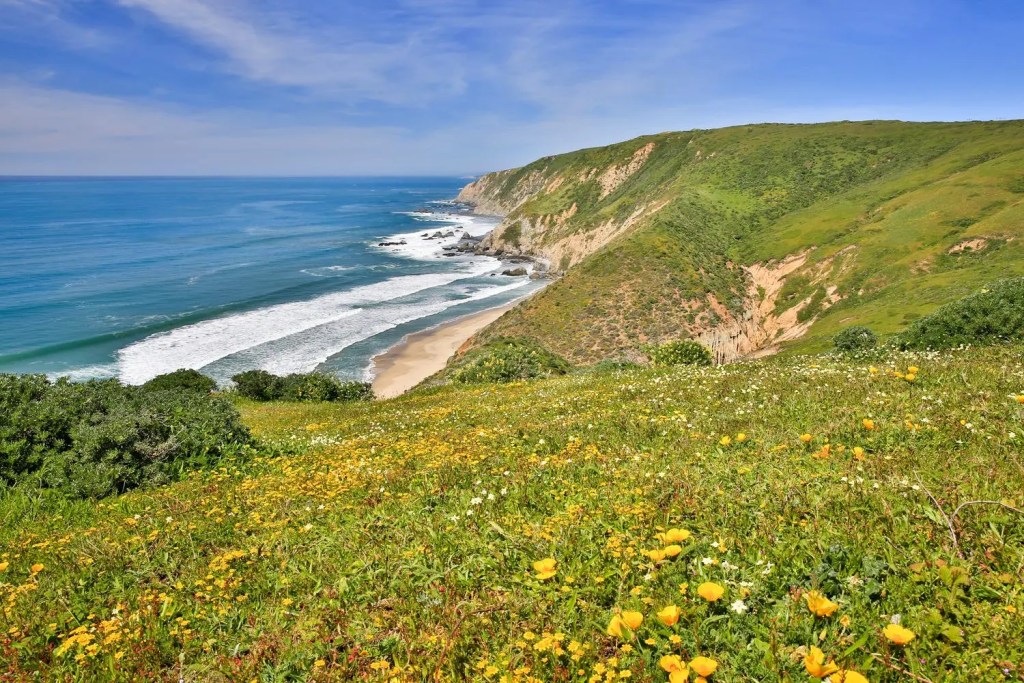
Tomales Bay’s environmental benefits extend beyond just supporting oyster life. Oysters in the bay contribute to the local ecosystem by filtering water, which improves water quality and clarity. They also provide habitat for other marine species, enhancing biodiversity in the bay. Eelgrass beds in Tomales Bay, protected under state and federal law, crucially shelter and provide nursery habitat for various species of fish, birds, and other marine life in aquatic ecosystems. Eelgrass also helps clean the water, produce oxygen, and protect the coastline from erosion.
Suggested Beverage Pairings
- Sauvignon Blanc – Cloudy Bay Sauvignon Blanc
- Champagne – Laurent-Perrier Ultra Brut
- Why it pairs well: Laurent-Perrier Ultra Brut Champagne offers a dry, mineral-driven profile with refined bubbles that provide a perfect textural contrast to the smooth, velvety texture of the oysters. The Champagne’s high acidity and toasty nuances elevate the buttery finish of the Golden Nugget oysters.
- Gueuze – Boon Oude Geuze
- Gin Martini – Hendrick’s Gin Martini
- Pilsner – Pilsner Urquell
- Why it pairs well: Pilsner Urquell, with its crisp, clean taste and moderate bitterness, balances out the briny taste of the oysters, creating a refreshing and satisfying combination. The beer’s light body and subtle malt sweetness complement the oysters’ buttery finish without overwhelming their delicate flavors.
Where Can I Buy Golden Nugget Oysters?
Tomales Bay Oyster Company (TBOC): The Tomales Bay Oyster Company cultivates and sells Golden Nugget oysters directly. They farm these oysters on the north shore of Millerton Point in TBOC’s cove. You can purchase the oysters at the TBOC location, as they are not widely distributed to other stores or markets.
Discover more from The Oyster Encyclopedia
Subscribe to get the latest posts sent to your email.