


Chef’s Notes
Mason Bostwick · Executive Chef
Eastern oyster
Chincoteague Salt from the Atlantic-fed waters around Chincoteague Island reads sharp and briny with a mild, sweet finish. Around 28 ppt salinity and an 18-to-24-month cage-and-tray grow-out at Cherrystone Aqua-Farms build creamy, plump meat in an elongated, rough-shelled cup. A clean, year-round Virginia Eastern for half-shell service.
Flavor chart
Chef palate read
Shuckability
Shell & line performance
When I buy it
I look for Chincoteague Salt oysters out of the Atlantic-fed waters around Chincoteague Island, where roughly 28 ppt salinity builds their sharp, briny cup. They run year-round from Cherrystone Aqua-Farms, so I want heavy, tightly closed shells full of clear liquor.
How I serve it
Raw on the half shell, served ice-cold, to show off the sharp Atlantic brine and clean, crisp finish of a Chincoteague Salt. A squeeze of lemon or a light mignonette is plenty — the creamy, plump meat carries the plate.
What to watch for
Full brine with creamy finish. Reject any with broken shells or milky liquor.
My read
Sharp, distinct Atlantic brine up front, then a mild, sweet finish with hints of melon and cucumber over creamy, plump meat. A clean, crisp Virginia Eastern from Chincoteague Island that eats intensely salty without turning funky.
What Are Chincoteague Salt Oysters?
Chincoteague Salt oysters stand out for their exceptional briny profile and pristine growing conditions. The swift flow of Assateague Channels and clean, sandy bottom create an ideal environment for these Virginia salt oysters 2. The diurnal tides surrounding Chincoteague Island produce some of the cleanest oysters available. Their proximity to the Atlantic Ocean results in their distinctive salty character 4.
Cherrystone Aqua-Farms, formerly Ballard Fish and Oyster Company, has cultivated these prized shellfish for over 115 years. Fifth-generation farmers now maintain the tradition 2. These oysters require 18 to 24 months to reach market size, typically growing to over 3.25 inches.
Modern aquaculture practices have evolved on Chincoteague Island. They now include cage and tray cultivation of triploid oysters. This evolution ensures year-round availability and consistent quality 2.
Beyond their intense salinity, Chincoteague Salt oysters deliver a complex flavor profile that sets them apart from other varieties. Their taste begins with a sharp, distinct brine that evolves into a mild earthy finish 2. This unique combination has earned Chincoteague recognition as one of Virginia’s eight distinct oyster regions. Their oysters are served in restaurants and raw bars worldwide 4.
How Did Chincoteague Salt Oysters Get Their Name?
Chincoteague Salt oysters derive their name from the vibrant island of Chincoteague, located along Virginia’s Eastern Shore. The island, famed for its rich maritime culture and pristine waters, lends its identity to these oysters. The Salt suffix signals the Atlantic-influenced salinity that chefs expect from Virginia Eastern Shore oysters.
Historically, Chincoteague was home to thriving oyster harvesting communities. Early settlers and Native Americans recognized the island’s fertile estuaries as ideal for oyster growth. Over time, the name became synonymous with the high-quality oysters harvested from these waters.
The connection between the island’s unique geography and its oysters strengthened through generations. Today, Chincoteague oysters remain a celebrated emblem of Virginia’s coastal bounty. That identity now extends to farmed Virginia salt oysters sold through Cherrystone Aqua-Farms and regional raw bars.
About Cherrystone Aqua-Farms
Cherrystone Aqua-Farms, formerly Ballard Fish and Oyster Company, anchors Chincoteague Salt oyster production on Virginia’s Eastern Shore. The operation has cultivated shellfish from these waters for more than 115 years. Fifth-generation farmers continue the Ballard family tradition at lease sites in swift Assateague Channel flow. Their work supplies the branded Chincoteague Salts sold through retail and restaurant channels.
Modern grow-out relies on cage and tray culture over clean sandy bottom, matching the methods listed in the encyclopedia info card. Oysters spend 18 to 24 months reaching market size, typically exceeding 3.25 inches at harvest. Farmers raise triploid Eastern oysters to support steadier year-round availability. That schedule aligns with the year-round seasonality noted for this variety.
Cherrystone ships Chincoteague Salts directly to consumers online and through regional seafood distributors. The farm’s long tenure on Chincoteague Island ties the Salt name to a single trusted Virginia producer. Restaurants and raw bars worldwide feature the oyster as part of one of Virginia’s eight distinct oyster regions. Consistent cage-and-tray handling helps preserve the briny cup chefs recognize on the half shell.
Follow Them
Cherrystone Aqua-Farms sells its Chincoteague Salts directly to consumers online. You can browse and order the oysters through their store at Clam & Oyster. For trip planning and local raw-bar listings on the island, the Chincoteague Chamber of Commerce maintains an oyster-lovers itinerary. Both point Chincoteague Salt fans to the growers and restaurants behind this Virginia Eastern Shore variety.
Chincoteague Salt Oysters Information

Eastern oyster
If you like Chincoteague Salt Oysters, then check out these similar varieties!
Location
Chincoteague Salt oysters thrive in the pristine waters surrounding Chincoteague Island and Assateague National Wildlife Refuge. This location is part of the largest natural barrier island ecosystem in the Middle Atlantic states. It encompasses over 55,000 acres of maritime forests, salt marshes, dunes, and beaches 4.
The growing environment benefits from unique geographical features that create ideal conditions for oyster cultivation. The swift flow of Assateague Channels and a clean, sandy bottom provide optimal growing conditions. The area almost exclusively receives Atlantic Ocean water through the Chincoteague Inlet 14. The region’s tidal range measures about 0.7 meters, creating a semi-diurnal flow pattern that ensures consistent water exchange 3.
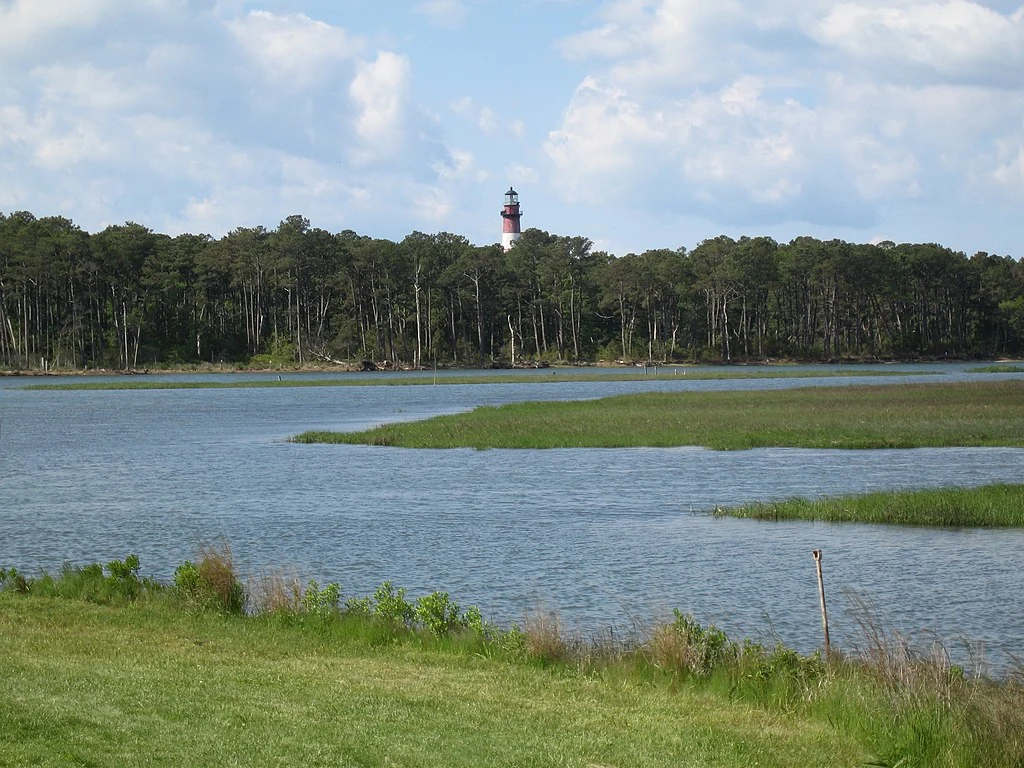
The water chemistry particularly stands out. Salinity levels reach approximately 28 parts per thousand in areas like Toms Cove 3. This high-salinity environment combines with nutrient-rich marshland. The minimal freshwater input creates the perfect conditions for developing the oysters’ distinctive briny flavor profile 4.
The protected status of surrounding lands, like Assateague Island National Seashore and Wallops Island Wildlife Refuge, preserves the water quality. This status also maintains pristine growing conditions. These factors make these oysters exceptional 4.
Suggested Beverage Pairings
Ingleside Vineyards Albariño pours with Virginia crisp acidity that frames the sharp Atlantic brine of a Chincoteague Salt. Its mineral edge and light stone-fruit lift echo the melon and cucumber notes over the oyster’s creamy, plump meat. A local white built for these intensely salty island half shells.
Louis Roederer Brut Premier brings biscuit depth and marine minerality alongside the sharp brine of a Chincoteague Salt. Ripe apple and pear round out the sweet-savory melon and cucumber mid-palate, while fine bubbles refresh between cups. A Champagne poured for the oyster’s clean, crisp finish.
A Hendrick’s gin martini leads with cool cucumber and botanicals that mirror the melon and cucumber notes of a Chincoteague Salt. Served ice-cold, its clean bite stands up to the oyster’s sharp Atlantic brine and creamy, plump meat. A crisp option for a Virginia island raw bar.
Domaine de la Pépière Muscadet Sèvre et Maine offers high acidity and stony minerality beside the roughly 28 ppt salinity of a Chincoteague Salt. Bright citrus and soft melon accent the oyster’s clean, crisp finish on an intensely briny cup. A classic Loire pour for these Atlantic half shells.
Allagash White layers Belgian-style citrus and spice against the sharp brine of a Chincoteague Salt. The crisp wheat beer rinses the palate between that briny snap and the oyster’s mild, sweet close. A Maine-brewed wit for Atlantic raw-bar contrast.
Where Can I Buy Chincoteague Salt Oysters?
- Cherrystone Aqua-Farms: This company sells Chincoteague Salts oysters online and ships them directly to consumers.
- Stop & Shop: This grocery store chain sells Chincoteague Shellfish Farms Wild-Caught East Coast Oysters online and in-store.
- Coastal Seafoods: This seafood market sells online and in-store.
- Local Restaurants: Chincoteague Island is known for its seafood, and many local restaurants serve Chincoteague oysters. You can check with local seafood restaurants in Chincoteague Island to see.
References
- Ballard, Chad. “Cherrystone Aqua-Farms: Our Story.” Cherrystone Aqua-Farms, 2023.
- “Chincoteague Salt Oysters.” Virginia Oyster Trail, Virginia Marine Products Board, 2023.
- “Environmental Assessment of Chincoteague and Wallops Island.” U.S. Fish and Wildlife Service, Department of Interior, 2023.
- “Virginia Oyster Industry History and Habitat.” Virginia Institute of Marine Science, College of William & Mary, 2023.
- “Water Quality Assessment of Chincoteague Bay.” Maryland Department of Natural Resources, 2023.
Discover more from The Oyster Encyclopedia
Subscribe to get the latest posts sent to your email.