


My real-world read
Barrier Beauties Oysters are a clean, modern Texas Gulf oyster built for the half-shell — briny enough to feel sea-forward, but never aggressive. You get moderate salinity, a hint of sweetness, and a crisp mineral finish. Naked first. If you add anything, keep it bright and minimal.
Quick Facts
- Origin: Barrier Beauties oysters are farm-raised in East Galveston Bay, Texas, and were the first farm-grown oysters harvested in the state.
- Sustainability: Cultivated year-round in floating gear, helping reduce fishing pressure on wild Texas oyster reefs while providing a steady premium supply.
- Flavor: Clean and briny with moderate salinity, a hint of sweetness, and a fresh mineral finish — ideal for raw half-shell or light cooking.
- Half-shell size: Deep-cupped and grown for the half-shell market, typically harvested at about 2.5 inches for a consistent restaurant-ready size.
- Traceability: Each bag uses QR-code traceability, giving chefs instant access to harvest dates and farm details from tide to table.
Flavor Chart
Chef palate read (aligned to the entry)Shuckability
Shell & line performance (chef read)When I buy it
They’re a year-round play for me when I want a consistent Gulf oyster that still reads premium on the half-shell.
How I serve it
Naked first. Then lemon or a light vinegar/herb mignonette. Keep it clean so the mineral finish stays sharp.
What to watch for
They’re consistent at ~2.5″, so presentation matters. Heavy sauces mute sweetness and flatten the brine.
Chef pro move
Use the bag’s QR traceability to log harvest dates for your team — it’s a real “tide-to-table” detail diners respect.
What Are Barrier Beauties Oysters?
Barrier Beauties oysters stand out as pioneers in Texas aquaculture. Founded by Hannah Kaplan, this farm was the first to harvest cultivated oysters in the state. Ultimately, breaking new ground in East Galveston Bay. Their innovative approach has set a precedent for sustainable oyster farming in Texas waters, which only recently legalized shellfish aquaculture.

These oysters boast a distinctive flavor profile, characterized by a briny taste with subtle sweet notes. This unique taste is a direct result of their specific growing location in East Galveston Bay. The mix of saltwater inflow and local conditions imparts a special flavor to the oysters. Barrier Beauties’ farming practices use floating bags. They also use tumbling techniques. These contribute to their appealing appearance and deep-cupped shape.
Barrier Beauties embraces modern technology to enhance their product’s appeal. They utilize BlueTrace, a traceability system. This system allows chefs to scan QR codes on oyster bags for detailed information about the farm and growing conditions. This transparency adds value for customers and sets Barrier Beauties apart in the market.
How Did Barrier Beauties Get Their Name?
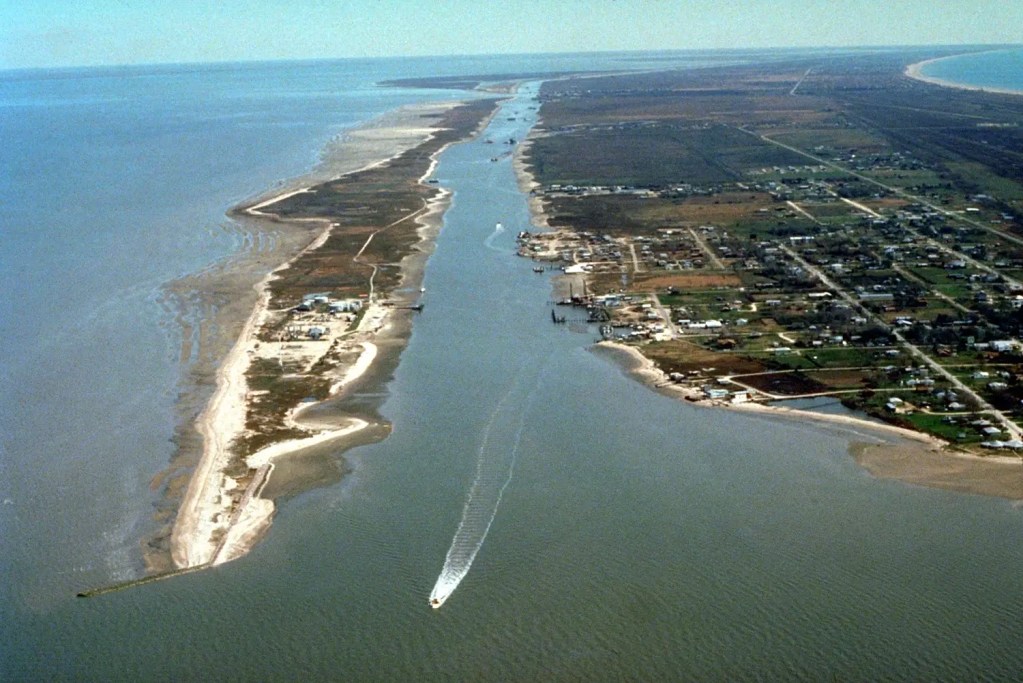
Barrier Beauties oyster farm is located in East Galveston Bay, Texas. The name “Barrier” likely refers to the barrier islands that are common along the Texas Gulf Coast, including Galveston Island.
The “Beauties” part of the name refer to the high-quality, visually appealing nature of the oysters. Farmed oysters are often described as “prettier” and more desirable for the half-shell market compared to wild oyster.
About Barrier Beauties

Barrier Beauties oysters come from the Barrier Beauties oyster farm in East Galveston Bay. The founder, Hannah Kaplan, was the first aquaculture grower to apply with the Texas Parks and Wildlife Department. She has successfully established a sustainable oyster farm in the area.
Barrier Beauties oyster farm uses a method known as “top water growing,” . This method is where floating oyster cages or mesh bags float atop the water. The hatchery spawns the oysters. It nurtures them in a nursery to juvenile size. Then, it transfers them to cages in the bay to grow to market size.
The farm was among the first to harvest farm-grown oysters in Texas. This followed the recent legalization of shellfish aquaculture in the state’s waters. The farmers carefully chose the location of the farm to meet various environmental regulations. They ensured sustainability and minimal impact on natural ecosystems.
Barrier Beauties Oysters Information
Oyster: Barrier Beauties
Species: Crassostrea Virginica
Cultivation Method: Floating cages or top water growing method. This keeps the oysters out of harm’s way from predators below.
Seasonality: Year-round
Size: 2.5 inches
Culture Method: Spawning and nursery until they are juvenile size. This allows for close monitoring.
Salinity: 25-30 ppt

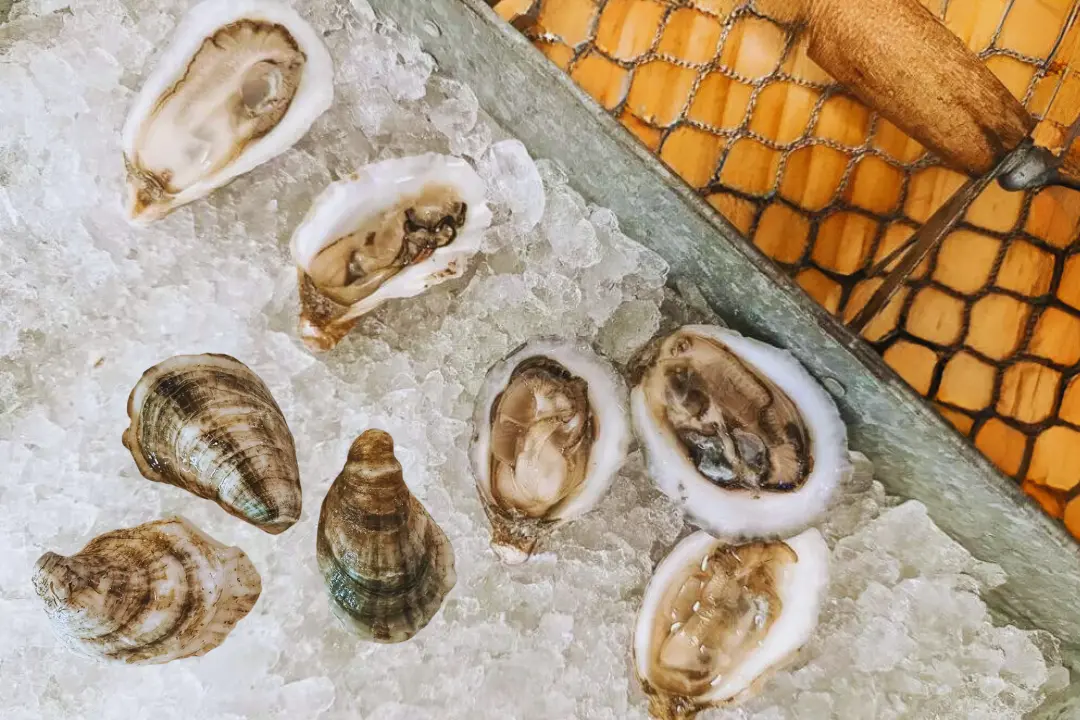
Appearance: Deep cup with uniform shape and white to light gray color, with some having hints of green, brown, or purple. They have a plump, moist appearance with a healthy sheen.
Flavor Profile: Pronounced salty taste that captures the essence of the sea. This brininess is beautifully balanced with a gentle sweetness, adding complexity to their flavor profile. The overall taste experience is rich and savory, with a clean, crisp finish that leaves a memorable impression on the palate.
If you like Barrier Beauties, then check out these similar varieties!
Location
East Galveston Bay, Texas cultivates Barrier Beauties oysters, which include the Bay Beauts variety.
The farm is located about 1,250 feet from the shoreline. This provides some protection from coastal elements while still maintaining ideal growing conditions (NOAA Fisheries).This location in East Galveston Bay offers several environmental factors that support oyster growth and prosperity.
The area has the right balance of salinity levels, which is crucial for oyster development. Hannah Kaplan, notes, “Finding the right location is critical, and the conditions on our farm are perfect. Our oysters are very happy there” (Pack). The mix of freshwater inflow from rivers and saltwater from the Gulf of Mexico creates a brackish environment. In this environment, oysters thrive.
The location also benefits from the natural ecosystem of Galveston Bay. The bay’s water quality and nutrient-rich environment contribute to the oysters’ growth and flavor profile.
Oysters differ from other seafood farming operations. They are not fed through human intervention. Oysters eat the same food and in the same way that wild oysters do. They filter phytoplankton and algae from the water (Pack). This natural feeding process supports the oysters’ growth. It also plays a critical role in maintaining water quality. A single oyster can clean up to 50 gallons of seawater per day (Pack).
Suggested Beverage Pairings
- Greek Moschofilero: This white wine has a high acidity and minerality that can complement the briny flavor of the oysters and enhance their sweetness.
- Viognier from France: Viognier is a white wine with a higher alcohol content that can balance the salty brine of the oyster, making it taste meatier.
- Sauternes: Sauternes is a sweet wine that can bring out the sweetness of brinier oysters.
- Picpoul: This white wine has a light effervescence that keeps the pairing bright and zippy. Wines that have melon and stone fruit notes will work nicely with Kumamotos or other plump, deep-cupped Pacific oysters such as Kusshi (British Columbia), Shigoku (Washington), and Torke (Oregon).
- Guinness: Guinness’s creamy, roasted flavors perfectly complement the salty, savory taste of the oysters. Plus, the carbonation in the stout helps cut through the oysters’ richness, making it a well-balanced pairing.
- Gose or Berliner Weiss: For those who enjoy sour beers, try pairing your oysters with a Gose or a Berliner Weiss. The beer’s tartness can help accentuate the oysters’ sweetness, while the low alcohol content won’t overpower the delicate flavors.
Where Can I Buy Barrier Beauties?
- Local Restaurants: You can try Barrier Beauties oysters at some restaurants in Texas, particularly in the Houston area. For example, they have been served at Pier 6 Seafood & Oyster House in San Leon and Ford Fry’s La Lucha in Houston.
- Future Plans: Hannah Kaplan, the founder, envisions eventually selling directly at farmers markets and similar events, but this is not currently available
References
- Barrier Beauties. “Our Story.” Barrier Beauties, www.barrierbeauties.com/our-story. Accessed 4 Oct. 2024.
- Galveston Bay Foundation. “Oyster Conservation.” Galveston Bay Foundation, galvbay.org/how-we-protect-the-bay/taking-care-of-the-bay/oyster-conservation/. Accessed 4 Oct. 2024.
- NOAA Fisheries. “Tide to Table Profile: Barrier Beauties.” NOAA, 23 Sept. 2022, www.fisheries.noaa.gov/feature-story/tide-table-profile-barrier-beauties.
- Pack, MM. “Making Waves.” Edible Austin, 28 Nov. 2023, edibleaustin.com/stories/making-waves/.
Discover more from The Oyster Encyclopedia
Subscribe to get the latest posts sent to your email.