

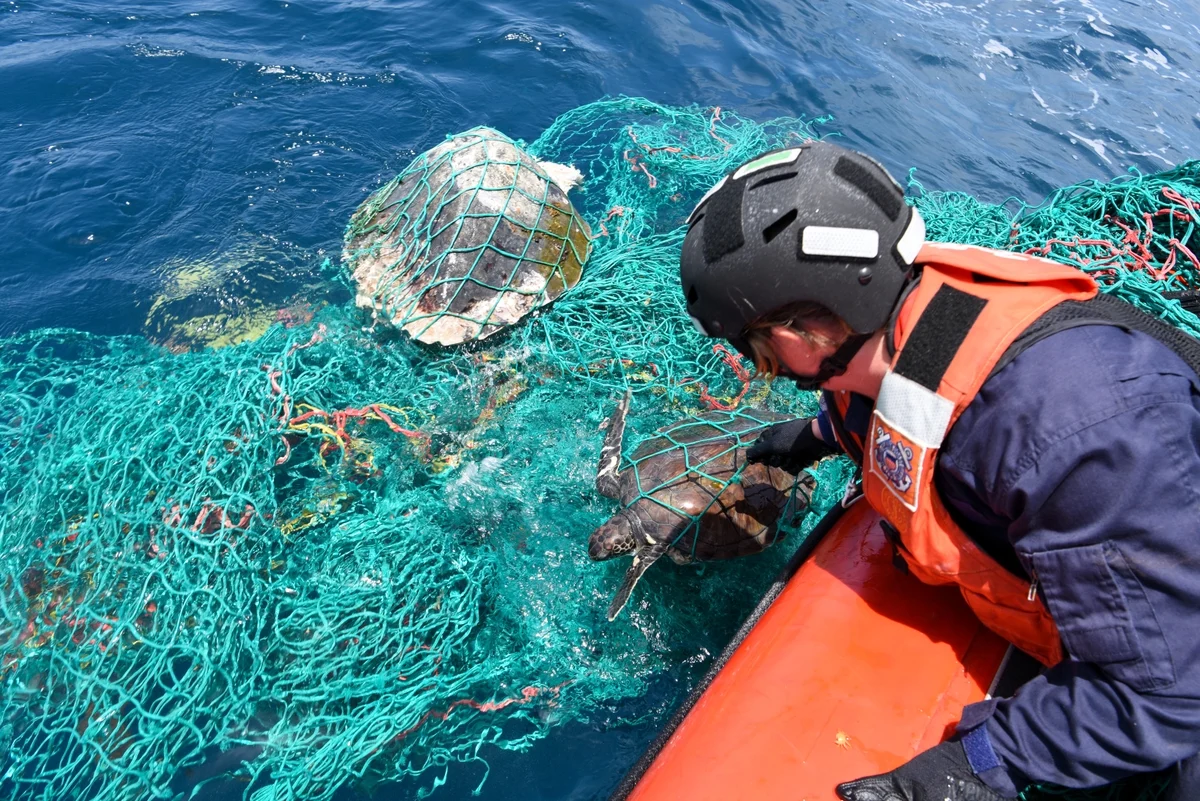
This post may contain visual content that could be considered sensitive or distressing. We believe in providing comprehensive and informative content, which occasionally involves depicting images related to real-world situations. These images are intended to serve educational or awareness purposes. Viewer discretion is advised, and we encourage individuals who may find such content distressing to exercise caution while viewing. If you are sensitive to graphic images or if you have concerns about the nature of the content, we recommend refraining from viewing the images.
Topsail’s recent opposition to additional shellfish leases has sparked curiosity within the culinary and environmental communities. While concerns about the impact on recreation and commercial fishing are valid, it’s essential to delve deeper into the potential benefits shellfish leases can offer the ocean ecosystem. In this article, we explore the decision made by Topsail, questioning whether the opposition might overlook the positive contributions that shellfish leases bring to the table.
What is A Shellfish Lease?
Shellfish leases allow private production of shellfish in public trust waters. In North Carolina, the Shellfish Lease and Franchise Program is administered by the Division of Marine Fisheries. The program facilitates shellfish cultivation and aquaculture through leasing. These leases are meant for shellfish farming and aquaculture, and they involve the production of bottom-only clams and oysters. They also use the water column above existing shellfish leases. Leases are subject to regulatory review and public engagement. However, their impact on the environment, commercial fishing, and recreational activities is a subject of ongoing debate and concern. This is especially true in certain areas, such as Topsail Beach, North Carolina
The Environmental Benefits of Shellfish Leases
Shellfish leases, particularly those involving oysters, go beyond culinary delights—they serve as unsung heroes in bolstering the health of our oceans. In this article, we delve into the environmental benefits of shellfish leases, shedding light on their remarkable contributions to ocean conservation.

1. Natural Filtration and Water Quality Improvement:
One of the most significant advantages of shellfish leases lies in their ability to act as natural water purifiers. Oysters, in particular, are exceptional filter feeders, with a single oyster capable of filtering gallons of water each day. As they feed, oysters remove impurities, excess nutrients, and pollutants from the water, improving water quality. This natural filtration benefits the local ecosystem and enhances the ocean’s health.
2. Ecosystem Restoration and Habitat Enhancement:
Shellfish, including oysters, play a crucial role in ecosystem restoration. Oyster reefs provide habitat and shelter for various marine species, contributing to increased biodiversity. The complex structures created by oyster reefs serve as nurseries for juvenile fish and other aquatic organisms. By establishing shellfish leases, we actively participate in restoring and enhancing vital coastal habitats, fostering resilience in the face of environmental challenges.
3. Carbon Sequestration and Climate Mitigation:
Beyond their filtration prowess, oysters contribute to climate mitigation efforts. Oyster shells are rich in calcium carbonate, a compound that, over time, can sequester carbon dioxide from the atmosphere. The formation of oyster reefs helps trap carbon and create a natural sink, mitigating the impacts of climate change. Incorporating shellfish leases into coastal conservation strategies aligns with global initiatives to address climate challenges.
4. Sustainable Seafood Production:
Shellfish leases provide a sustainable source of seafood. Oysters, in particular, are renowned for their rapid growth and minimal environmental impact. Cultivating oysters through leases reduces the pressure on wild populations, promoting responsible harvesting practices. Sustainable seafood production is critical to ensuring the long-term health of marine ecosystems and meeting the demands of growing populations.
What Are The Environmental Impacts of Commercial Fishing?
Commercial fishing, while essential for providing seafood to meet global demand, can have significant environmental impacts. These impacts vary depending on the fishing methods employed, the scale of operations, and the specific species targeted. Here are some common ecological concerns associated with commercial fishing:
Why Would Topsail Want to Protect Commercial Fishing?
The inclination of Topsail to protect commercial fishing, despite its potential detrimental impact on the oceans, is likely influenced by a confluence of factors. First and foremost, the fishing industry may be a pivotal economic pillar in Topsail, sustaining a significant portion of the local population with jobs and livelihoods. The economic dependency on fishing can foster resistance to perceived threats to these employment opportunities, even when confronted with the industry’s environmental repercussions. Additionally, the community’s deep-rooted cultural ties to fishing, often intertwined with historical traditions, may foster a strong attachment that overshadows concerns about the ecological implications of the commercial fishery. Without viable alternative economic prospects, the community might feel compelled to safeguard commercial fishing as a primary income source.
Furthermore, limited awareness or understanding within the community regarding the environmental consequences of specific fishing practices could contribute to a lack of consensus on the need for change. Political considerations, potentially influenced by fishing industry representatives’ lobbying efforts, also shape the community’s stance. The belief that altering commercial fishing practices could lead to economic instability may prevail despite the long-term environmental costs.
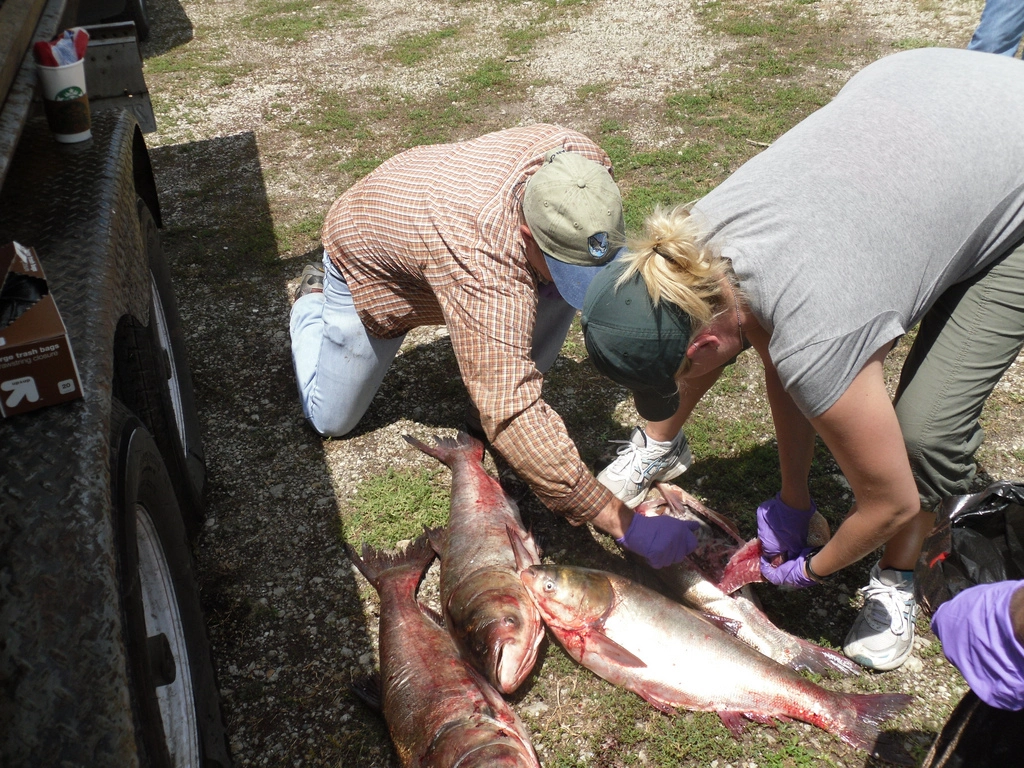
With professional skepticism, it’s essential to critically assess the motivations behind Topsail’s decision to protect commercial fishing. We need to carefully examine the environmental impact of the fishing industry, considering the significant drivers of economic and cultural factors. We should weigh the community’s attachment to fishing traditions and financial stability against the potential long-term consequences for marine ecosystems. Additionally, efforts to gauge community awareness and assess the influence of political considerations on decision-making processes could provide valuable insights. Professional skepticism prompts a nuanced exploration, recognizing the multifaceted nature of the issue. Considering sustainable alternatives that balance economic interests with environmental responsibility is critical.
Rethinking Priorities: Questioning Topsail and it’s Stance on Ocean Health
As we scrutinize Topsail’s decision to oppose additional shellfish leases, a lingering question arises: What are they trying to protect? While the desire to safeguard commercial fishing, deeply ingrained in the community’s identity and economy, is understandable, it prompts reflection on their stance’s broader implications and potential contradictions.
Topsail faces the challenge of navigating a delicate balance between economic interests and environmental stewardship. Commercial fishing, as vital as it is for the local economy, is not without its ecological costs. The environmental impacts, including overfishing, bycatch, and habitat destruction, present a problem. These issues are juxtaposed with the community’s resistance to additional shellfish leases.
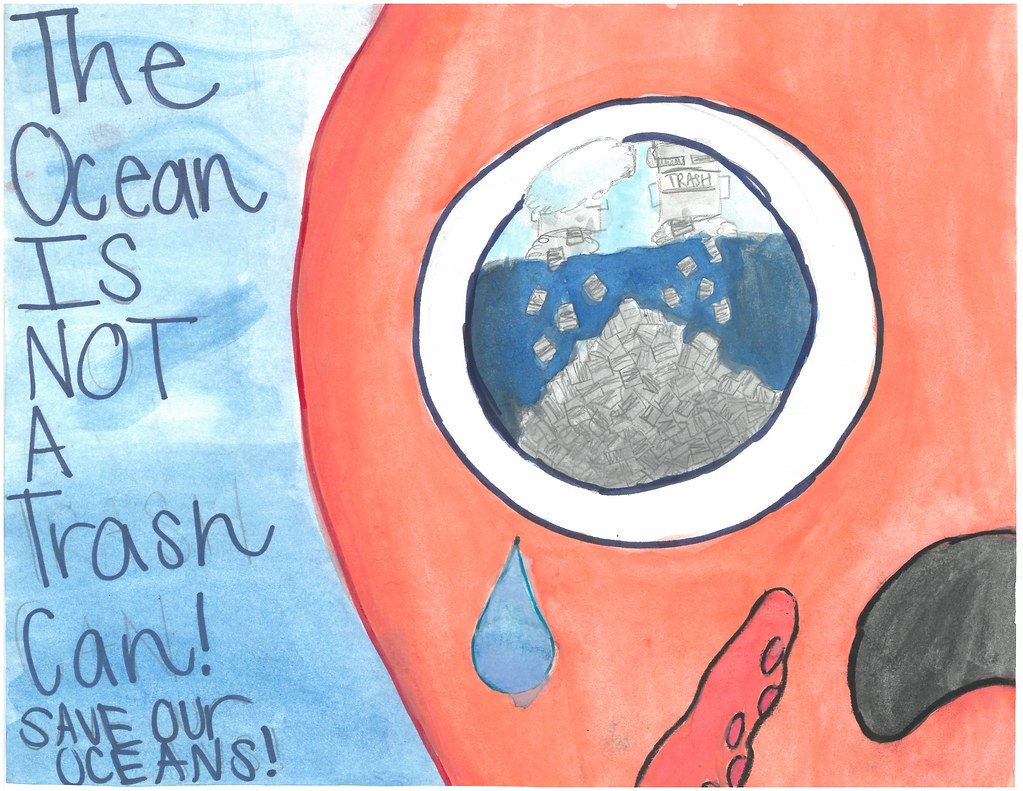
Can protecting an industry end up harming the marine ecosystems it relies on? Prioritizing economic interests over sustainable practices can harm the long-term health of the fishing industry and the ocean..
Encouraging communities to reevaluate their priorities and explore sustainable alternatives is crucial. Shellfish leases have environmental benefits and can help preserve fishing heritage while restoring our oceans.
In the spirit of forward-thinking environmental stewardship, Topsail’s decision prompts us to question our choices, the industries we defend, and the legacy we leave for future generations. Can we find a harmonious coexistence between economic prosperity and ecological responsibility? It’s a question that resonates far beyond the shores of Topsail and invites us all to ponder the delicate dance between progress and preservation.
Discover more from The Oyster Encyclopedia
Subscribe to get the latest posts sent to your email.