

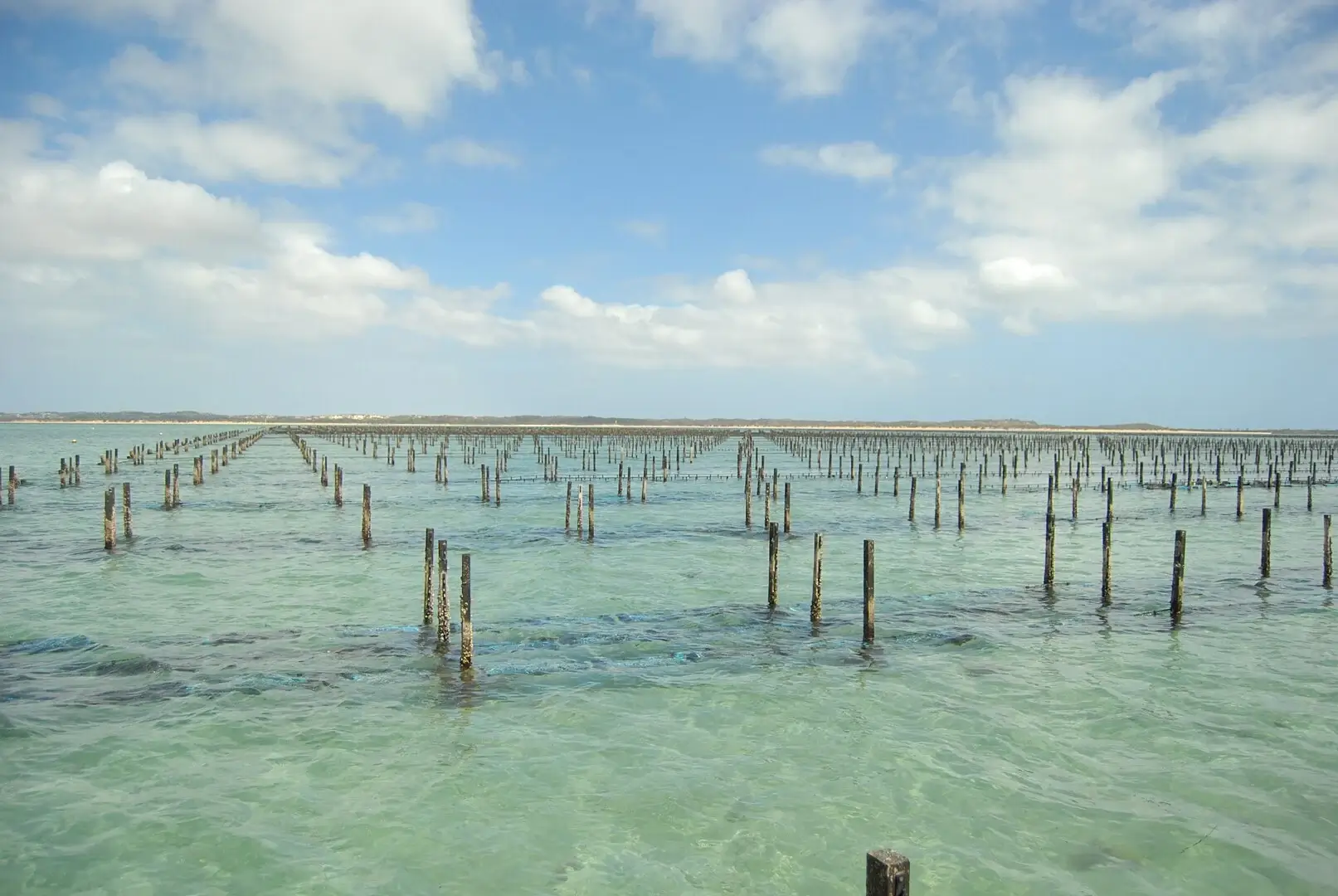
Oyster farming, also known as oyster aquaculture, is the practice of cultivating oysters for commercial purposes, including food consumption, pearl production, and environmental benefits. This process involves several stages, from breeding and growing oyster larvae to harvesting mature oysters. Here’s a detailed look at the key aspects of oyster farming:
History and Evolution

Ancient Beginnings
Oyster farming dates back to ancient times, with the earliest known practices in the Roman Empire around 1st century BC. Romans developed methods to cultivate oysters in controlled environments, constructing artificial ponds and utilizing tidal flows to ensure optimal growth conditions.
Middle Ages to Renaissance
During the Middle Ages, oyster cultivation continued, particularly in France. The French developed techniques such as collecting wild spat (young oysters) and relocating them to protected areas for further growth. By the Renaissance, oyster farming became more sophisticated, with improved methods for breeding and growing oysters.
19th Century Innovations
The 19th century saw significant advancements in oyster farming. In France, the introduction of wooden “culch” (materials like shells or stones) for spat collection and the development of “parcs à huîtres” (oyster parks) enhanced productivity. The use of hatcheries to produce larvae and spat began in the United States, allowing for more controlled and reliable oyster cultivation.
20th Century Modernization
The 20th century brought technological innovations and scientific understanding to oyster farming. The development of new farming techniques, such as off-bottom and floating cultures, increased efficiency and yield. Advances in genetics and breeding programs led to more resilient and faster-growing oyster strains. Environmental awareness also grew, leading to more sustainable and eco-friendly farming practices.
Contemporary Practices
Today, oyster farming is a global industry, with major production centers in North America, Europe, and Asia. Modern oyster farms use a variety of techniques, including bottom culture, off-bottom culture, floating culture, and suspended culture. Innovations in monitoring and management technologies, such as remote sensing and data analytics, have further optimized production.
Future Trends
The future of oyster farming lies in continued technological advancements and sustainability. Research into disease-resistant oyster strains, integrated multi-trophic aquaculture (IMTA), and climate change adaptation strategies are key areas of focus. As demand for sustainable seafood grows, oyster farming will play an increasingly important role in global food security and environmental stewardship.
The Oyster Life Cycle
Understanding the oyster life cycle is crucial for effective farming:

- Spawning – Oyster farming begins with the spawning phase. Mature oysters, typically 3-4 years old, release eggs and sperm into the water, triggered by temperature changes or environmental cues. A single female oyster can produce millions of eggs.
- Larval Stage – Fertilized eggs develop into free-swimming larvae within a few hours. This stage lasts 2-3 weeks, during which larvae feed on plankton. Larvae undergo several transformations, culminating in the formation of a tiny, shell-like structure called a “veliger.”
- Settlement – Larvae eventually seek a hard surface to attach to, such as shells, rocks, or artificial substrates. This process, known as “setting,” is critical as larvae metamorphose into spat, or juvenile oysters. Farmers often use cultch materials (e.g., old oyster shells) to encourage settlement.
- Juvenile Stage – As spat, oysters begin to grow their shells and develop the ability to filter feed. This stage can last several months to a few years, depending on environmental conditions and species. Juvenile oysters are often moved to grow-out areas where they continue to mature.
- Adult Stage – Oysters reach marketable size (typically 3-4 inches) in 1-3 years. During this stage, they develop the distinct flavor profiles influenced by their environment, known as “merroir.” Mature oysters can spawn, completing the life cycle.

Chesapeake Bay Program.https://www.flickr.com/photos/chesbayprogram/27097044284. June 16, 2016 at 10:58:07 AM EDT. Original License Attribution-NonCommercial (CC BY-NC 2.0)
Site Selection
Water Quality
Water quality is paramount in oyster farming. Key parameters include:
- Salinity: Optimal salinity ranges from 15 to 30 parts per thousand (ppt). Salinity impacts oyster growth, reproduction, and survival.
- Temperature: Ideal temperatures range from 20°C to 30°C. Extreme temperatures can stress or kill oysters.
- Oxygen Levels: Oysters require oxygen-rich water. Hypoxic conditions (low oxygen) can be detrimental.
- Pollution Levels: Water should be free from harmful pollutants and contaminants. Regulatory guidelines often mandate water quality standards for oyster farming areas.
Tidal Movements
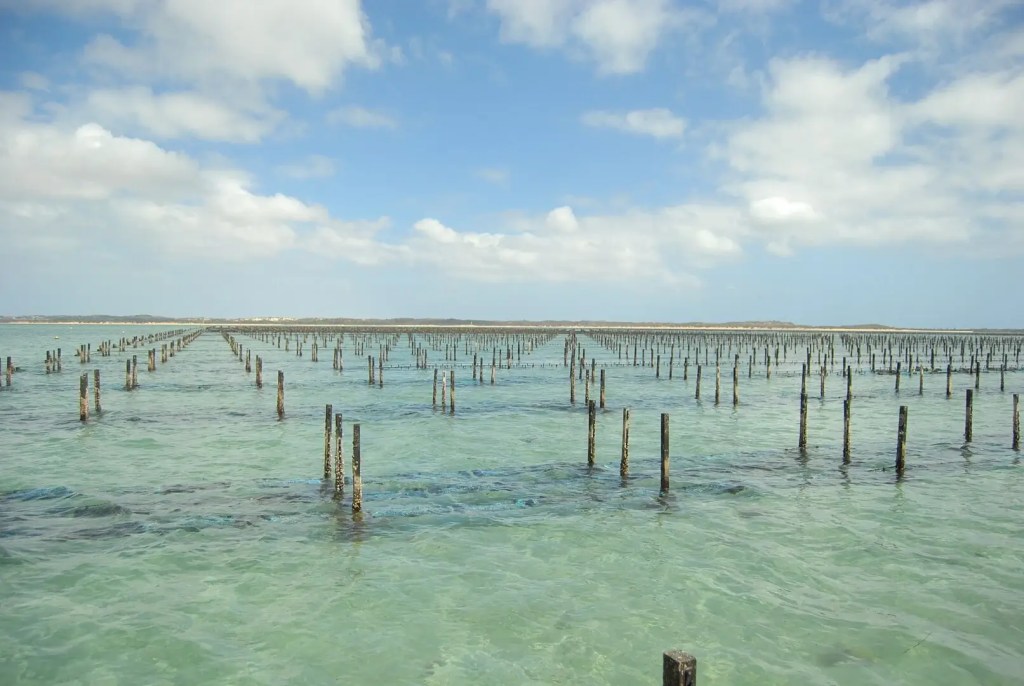
Tidal movements influence water flow, nutrient availability, and waste removal. Areas with good tidal exchange support healthy oyster growth by providing a steady flow of food and removing waste products. Farmers must consider the amplitude and frequency of tides to ensure optimal conditions.
Substrate and Seabed Composition
The substrate or seabed composition plays a crucial role in oyster attachment and growth. Hard substrates like rocks, shells, or gravel are preferred for bottom culture methods. Soft, muddy substrates can be problematic, causing oysters to sink and suffocate. Farmers often use artificial substrates or cultch (shells or limestone) to improve attachment rates.
Predation and Disease Control
Selecting sites with minimal exposure to predators and diseases is essential. Predators like crabs and starfish can decimate oyster populations. Additionally, areas with high disease prevalence should be avoided or managed with preventive measures. Regular monitoring and biosecurity protocols help mitigate these risks.
Permitting and Regulations
Oyster farming is subject to various local, state, and federal regulations. Farmers must obtain permits and adhere to guidelines concerning site selection, water quality, and environmental impact. Compliance ensures sustainable practices and access to market opportunities.

Preparation
Once a suitable site is selected, preparation involves:
- Seeding: Spat are distributed on the chosen substrate. Methods vary by technique (bottom, off-bottom, floating, suspended).
- Monitoring: Regular monitoring of water quality, growth rates, and health is crucial. This includes periodic sampling and environmental assessments.
- Maintenance: Structures (racks, cages, rafts) need regular maintenance to prevent fouling and damage. Ensuring equipment is secure and functional helps optimize oyster growth.
- Predator Control: Implementing measures like netting or traps can reduce predator impact. Farmers may also rotate sites to minimize predator buildup.
Farming Techniques
Oyster farming employs various techniques, each suited to different environmental conditions and economic considerations:
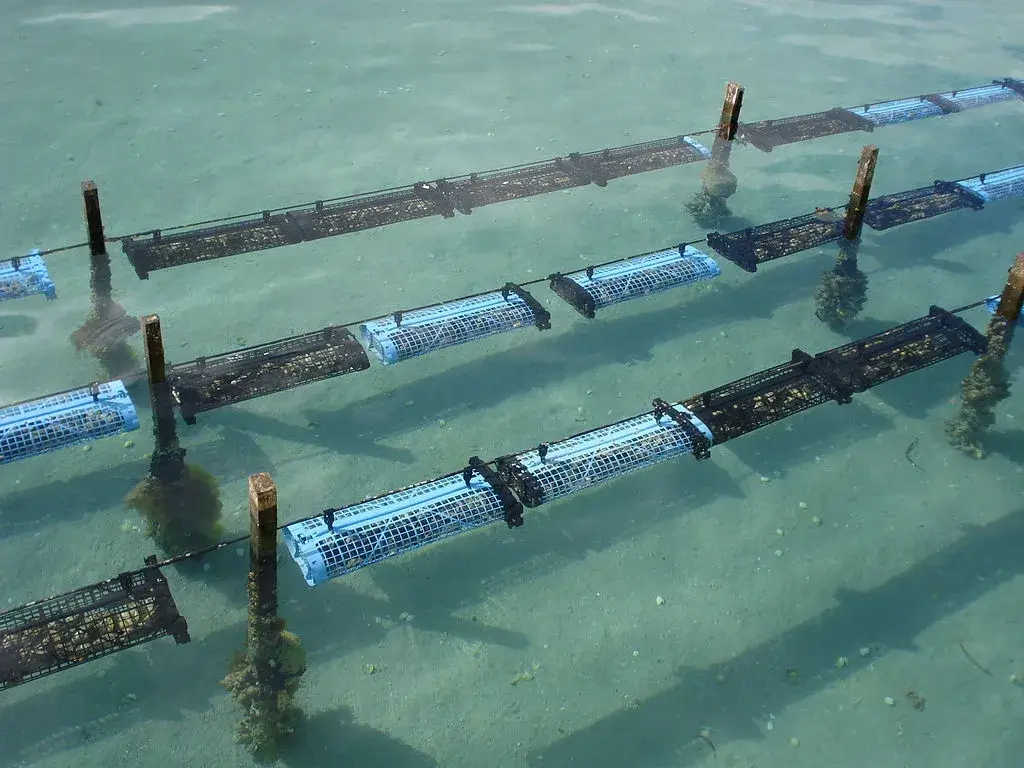
- Bottom Culture: Oysters are placed directly on the seabed.
- Off-Bottom Culture: Oysters are grown on racks, trays, or bags elevated above the seabed.
- Floating Culture: Oysters are cultivated in floating bags or cages.
- Suspended Culture: Oysters are grown in suspended structures like bags, baskets, or nets.
Harvesting and Processing
Once oysters reach marketable size, they are harvested and processed. Harvesting methods vary based on the farming technique used, but common practices include hand-picking, dredging, and mechanical harvesting. Post-harvest, oysters undergo cleaning, sorting, and packaging before reaching consumers.

Economic and Environmental Impact
Oyster farming contributes significantly to local economies by providing jobs and supporting related industries. Environmentally, oysters play a crucial role in water filtration, removing pollutants and enhancing water quality. Sustainable farming practices are essential to balance economic benefits with environmental stewardship.
Conclusion
Oyster farming is a dynamic and evolving industry with deep historical roots and significant modern advancements. By understanding the oyster life cycle, site selection, farming techniques, and environmental impacts, farmers can optimize their practices for sustainable and productive operations. This comprehensive approach ensures the continued growth and success of the oyster farming industry, benefiting both the economy and the ecosystem.
Stay Connected with The Oyster Encyclopedia!
Follow us on social media to get the latest updates, oyster recipes, and behind-the-scenes glimpses into the world of oysters:
Stay tuned for exclusive content, oyster trivia, and more! Engage with our vibrant community of oyster enthusiasts by liking, commenting, and sharing our posts. Your support helps us continue providing valuable oyster knowledge to fellow seafood lovers worldwide.
Discover more from The Oyster Encyclopedia
Subscribe to get the latest posts sent to your email.
Pingback: Bottom Culture Oyster Farming: A Traditional and Sustainable Approach - The Oyster Encyclopedia