


There are several different types of aquaculture, each with its own unique characteristics and benefits. In this article, we will explore the different types of aquaculture, including marine and freshwater farming, recirculating systems, and integrated multi-trophic systems, and examine the advantages and challenges of each method.
What is Aquaculture?
According to the USDA, Aquaculture, also known as aquafarming or fish farming, is the practice of cultivating fish, shellfish, and aquatic plants in controlled environments such as tanks, ponds, or ocean pens. The goal of aquaculture is to produce seafood for human consumption, while reducing pressure on wild fish populations and minimizing environmental impact. Aquaculture can be practiced in freshwater, saltwater, or a combination of both, and it can involve a variety of species, including fish, shrimp, oysters, and seaweed.
There are two main types of aqua culture that are broken down into subcategories. Although most of the subcategories fall onto one side or another, some of them land somewhere between. The two main types are marine aquaculture and fresh water aquaculture.
Marine Aquaculture
Marine aquaculture refers to the cultivation of fish, shellfish, and aquatic plants in saltwater environments such as oceans, seas, and bays. It includes practices such as open ocean aquaculture, which involves growing fish in large, floating pens anchored in the open sea. Other forms of marine aquaculture include shellfish farming, which involves growing oysters, clams, and mussels, and seaweed cultivation, which involves growing seaweed for food and other applications.
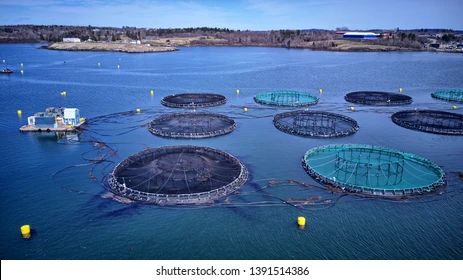
Marine aquaculture has several advantages, such as the fact that saltwater environments are often more nutrient-rich than freshwater environments, which can lead to faster growth rates and higher yields. Additionally, marine aquaculture can help to reduce pressure on wild fish populations, which are often overfished.
However, marine aquaculture also has some challenges, such as the potential for pollution and environmental damage from fish waste and other byproducts. Additionally, marine aquaculture can be more expensive and complex than freshwater aquaculture, due to the need for specialized equipment and infrastructure.
Freshwater Aquaculture
Freshwater aquaculture involves the cultivation of fish, shellfish, and aquatic plants in freshwater environments such as lakes, rivers, and ponds. It includes practices such as pond aquaculture, which involves growing fish in shallow, man-made ponds, and raceway aquaculture, which involves growing fish in long, narrow tanks or channels.
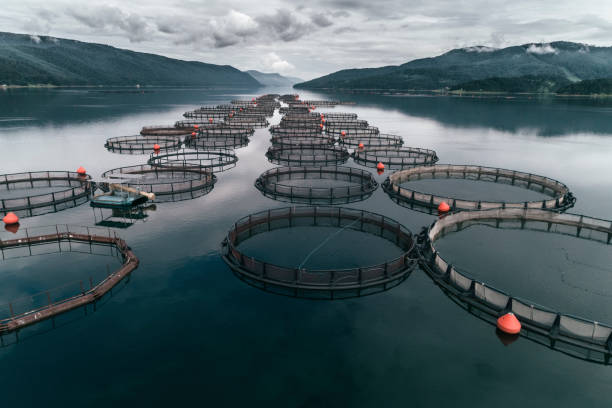
Freshwater aquaculture has several advantages, such as the fact that freshwater environments are often easier and less expensive to manage than saltwater environments. Additionally, freshwater aquaculture can be used to grow a wide range of species, including freshwater fish such as trout and catfish, as well as shellfish and aquatic plants.
However, freshwater aquaculture also has some challenges, such as the potential for water pollution and disease outbreaks. Additionally, freshwater resources can be limited in some areas, which can limit the potential for freshwater aquaculture.
Other Types of Aquaculture
When talking about aquaculture, we refer to the farming of aquatic organisms such as fish, crustaceans, mollusks, and aquatic plants under controlled conditions. There are several types of aquaculture systems, each with its own unique methods and purposes. Some of the main types include:
- Extensive aquaculture: This system relies on natural productivity in water bodies such as ponds or coastal areas, where the organisms are fed by natural food sources. It usually has low stocking densities and minimal inputs, making it a more sustainable option.
- Intensive aquaculture: This system involves high stocking densities, where the aquatic organisms are provided with external food sources and controlled environmental conditions. Intensive aquaculture often requires advanced technology and management practices to optimize production.
- Integrated multi-trophic aquaculture (IMTA): This is an ecosystem-based approach where multiple species are farmed together in a way that mimics their natural habitat. The waste products of one species serve as food or nutrients for another, thereby creating a more sustainable and efficient system.
- Recirculating aquaculture systems (RAS): These are closed-loop systems that involve the continuous filtration and recirculation of water to maintain optimal conditions for the organisms. RAS can help reduce the environmental impact of aquaculture by conserving water and minimizing waste discharge.
- Cage culture: In this system, aquatic organisms are reared in floating cages or net pens placed in open water bodies such as lakes, rivers, or the ocean. Cage culture allows for easy access to wild food sources and water exchange.
- Raceway systems: These are flow-through systems in which water is continuously circulated through a series of long, narrow channels or tanks where the organisms are reared. Raceways are commonly used for freshwater species like trout.
- Pond culture: This is one of the most common methods of aquaculture, where organisms are grown in earthen or lined ponds. Ponds can be used for both extensive and intensive aquaculture, depending on the management practices employed.
- Vertical aquaculture: This innovative approach involves growing aquatic organisms in vertically stacked layers or modules, typically in urban or industrial settings. Vertical aquaculture can help save space and water resources while reducing the environmental footprint of traditional aquaculture methods.
These are just a few examples of the various types of aquaculture systems in use today. The choice of system depends on factors such as the target species, environmental conditions, available resources, and economic considerations. In conclusion, aquaculture is a diverse industry that encompasses a wide range of farming practices and techniques to cultivate aquatic organisms for human consumption or other purposes.
There are several types of aquaculture systems, including extensive, semi-intensive, and intensive systems, each with its own advantages and disadvantages. Extensive systems are typically used for low-value species, while intensive systems are used for high-value species. Additionally, aquaculture practices can be classified based on the type of organism being farmed, such as finfish, shellfish, or seaweed.
Despite the challenges associated with aquaculture, it has the potential to play an increasingly important role in meeting the growing demand for seafood while reducing the pressure on wild fish stocks. It is important for the aquaculture industry to continue to innovate and adopt sustainable practices to ensure the long-term viability of the sector.
More of the latest news and updates
- How to Shuck Oysters Safely (Without Turning It Into a Band-Aid Hobby)
- Best Cut-Resistant Gloves for Oyster Shucking (Chef-Tested Safety Picks)

- Are Oysters Good for You? A Complete, Evidence-Based Guide
- The Definitive Best Oyster Knives of 2026

- The Raw Bar Bible — Oyster Knives, Technique, Safety, and Chef-Level Mastery

Discover more from The Oyster Encyclopedia
Subscribe to get the latest posts sent to your email.