


Selecting high-quality oysters is essential to ensure the best flavor, texture, and safety. Fresh, top-notch oysters deliver a briny, delicious taste, but choosing the right ones requires some knowledge. From understanding visual cues to knowing where your oysters come from, there are several factors that help you determine whether you’re getting the freshest oysters. This guide will walk you through everything you need to know about selecting high-quality oysters, so you can confidently enjoy them at their best.
The Importance of Oyster Freshness
Freshness is critical for both flavor and safety. Oysters are filter feeders, which means they absorb particles from the water they live in. If they are not fresh, they can harbor harmful bacteria like Vibrio, which can cause foodborne illness. Learn more about the risks of eating raw oysters from trusted health sources like the CDC’s raw oyster safety page.
Fresh oysters provide the best taste experience. The subtle briny, slightly sweet flavors of a fresh oyster are unmatched. As soon as an oyster dies, its quality begins to deteriorate rapidly. The longer it’s been out of the water, the more its taste and texture degrade. A fresh oyster will be plump, firm, and full of liquor (the natural seawater inside the shell), delivering the rich, clean, and sometimes mineral flavor that oyster lovers seek.
Oyster freshness is not only about enjoyment; it is also about avoiding health risks. When an oyster dies, harmful bacteria can multiply quickly in the meat. Eating a spoiled oyster can lead to severe gastrointestinal issues, including nausea, vomiting, and in rare cases, serious infections. Ensuring that your oysters are fresh reduces the risk of contamination and makes for a safer dining experience.
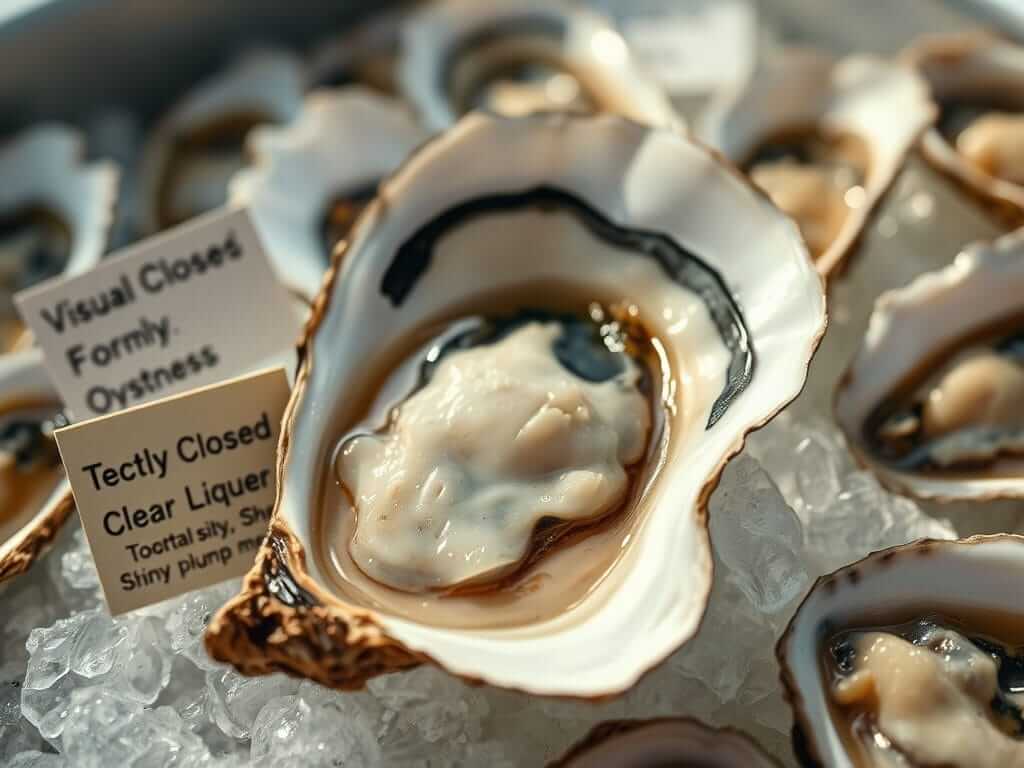
Moreover, fresh oysters retain their texture and nutritional content better than those that are old or mishandled. Fresh oysters are a powerhouse of essential vitamins and minerals such as zinc, iron, and omega-3 fatty acids, which can degrade if the oyster is not consumed promptly after harvest.
Visual Cues for Fresh Oysters
Visual Cues for Fresh Oysters
When it comes to selecting high-quality oysters, visual cues are your first line of defense. Look for oysters with tightly closed shells and shiny, plump meat. A shell that is cracked or gaping open is a red flag. For more detailed tips, check out the Seafood Watch guide to selecting sustainable seafood.
Smell and Odor Indicators
Fresh oysters should smell like the ocean — clean, briny, and fresh. Avoid oysters that have a strong, fishy odor or smell like ammonia. A bad smell indicates the oyster is no longer fresh and may have begun to spoil.
Shell Integrity and Closure
A fresh oyster’s shell should be firm and tightly closed. Open or broken shells are a sign the oyster may be dead. As mentioned earlier, lightly tapping an open oyster should make it close. If it doesn’t, it’s not safe to eat.
Liquor Quality and Quantity
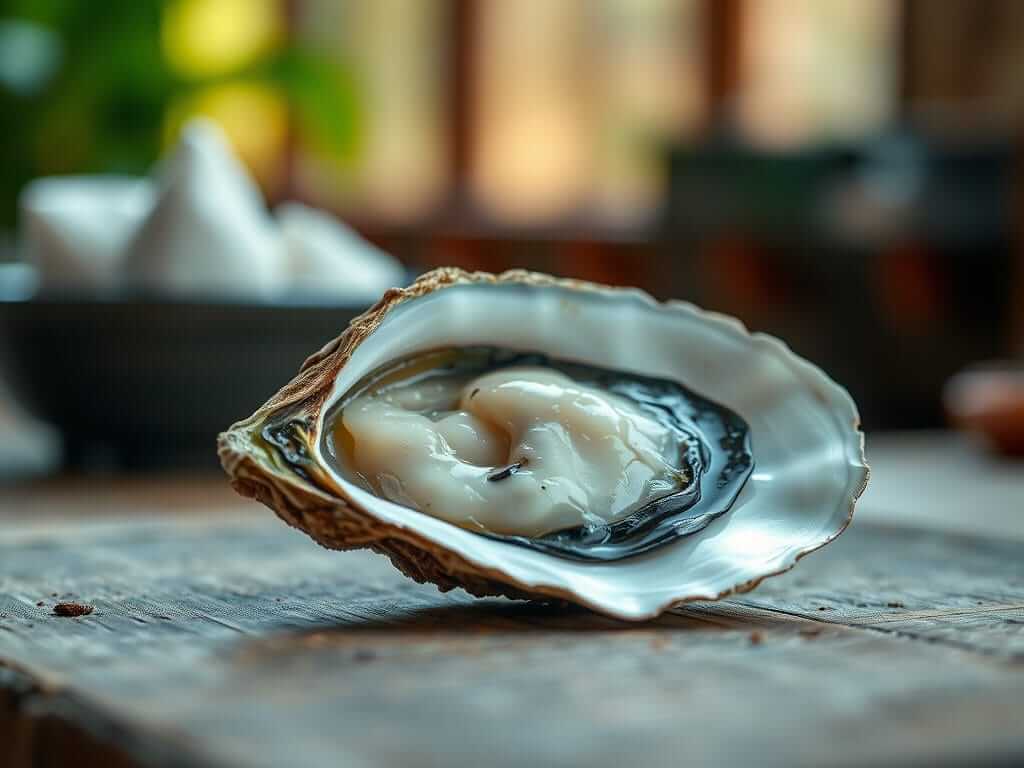
The liquid inside an oyster, known as oyster liquor, is a key indicator of freshness. The oyster should be sitting in clear, briny liquid. This liquor helps keep the oyster alive and fresh until it’s eaten. If the oyster is dry or has cloudy, murky liquid, it’s a sign of poor quality.
Weight and Fullness
Pick up an oyster and feel its weight. Fresh oysters should feel heavy for their size, as they are full of water and oyster meat. A light oyster often indicates that it has dried out or the meat inside is shrinking.
Harvest Date and Seasonality
While oysters can be enjoyed year-round due to advancements in farming and refrigeration, seasonality still plays a crucial role in the quality and taste of oysters. The environment in which oysters are grown, including water temperature and food availability, has a significant impact on their flavor, texture, and overall freshness. Understanding these seasonal variations can help you make informed decisions when purchasing oysters.
No matter the season, it’s essential to ensure that the oysters you’re buying are fresh. When purchasing oysters:
- Ask for the harvest date: Ensure they have been harvested recently to get the best quality.
- Know the supplier: Buy from reputable sources that follow safe handling and storage practices.
- Check the texture and flavor: Even if it’s the right season for a particular region, always check for the signs of freshness, including a firm texture, plenty of clear liquor, and a fresh, briny aroma.
Seasonality plays a significant role in selecting high-quality oysters, but by understanding spawning cycles, regional peaks, and water temperature effects, you can still enjoy fresh, high-quality oysters year-round. Knowing when and where to buy ensures the best possible experience, whether you’re enjoying the crisp brininess of a cold-water oyster or the creamy sweetness of a warm-water variety.
Reputable Sources and Suppliers
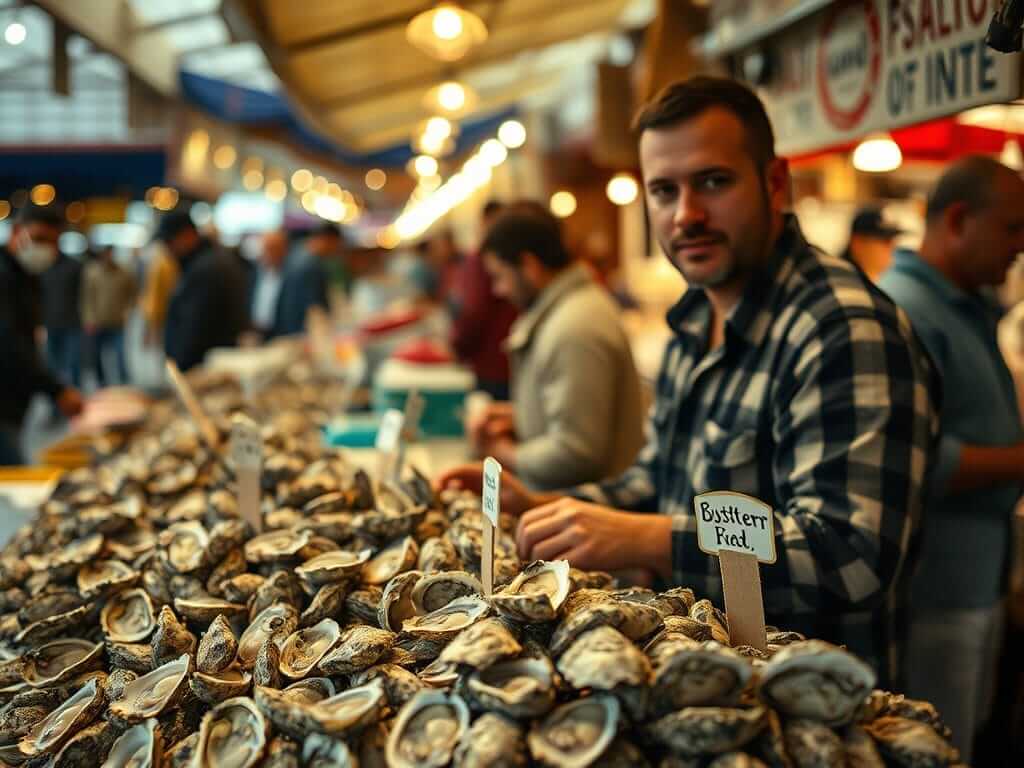
Purchasing oysters from reputable sources ensures that you receive fresh, high-quality, and safe oysters. Reputable suppliers, whether local seafood markets, grocery stores, or online retailers, prioritize proper handling, storage, and traceability, ensuring that oysters are harvested and delivered in peak condition. These suppliers often have strong relationships with oyster farms, providing detailed information on the oyster’s origin, variety, and harvest date to guarantee freshness.
Sustainability is also a key factor when choosing oyster suppliers. Look for those who are certified by organizations such as the Marine Stewardship Council (MSC) or Aquaculture Stewardship Council (ASC), which ensure responsible harvesting and farming practices. Sustainable oyster farms contribute to healthy marine ecosystems, and reputable suppliers are transparent about their efforts to source from environmentally friendly producers.
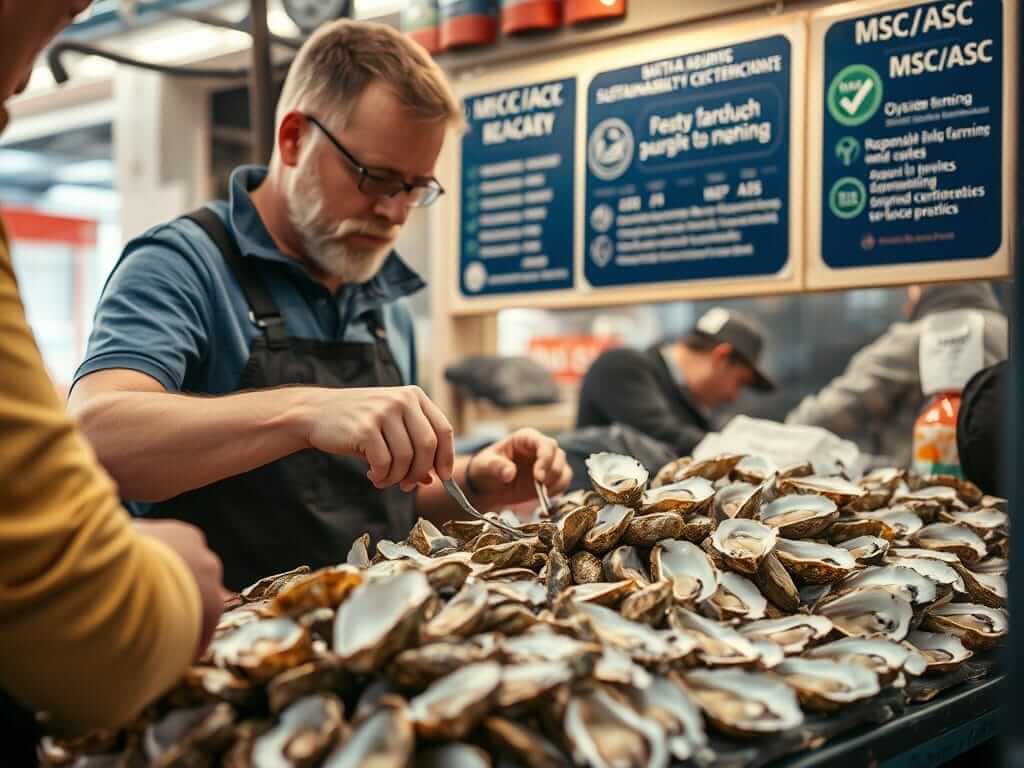
When buying oysters, always ask about the harvest date, origin, and storage methods. Reputable sources provide clear information about these factors and often have knowledgeable staff who can guide you in selecting the freshest oysters. Whether from a trusted local market or an online retailer with positive reviews, buying from a reliable supplier ensures you enjoy the best oysters every time.
Learn more about sustainable seafood practices from the MSC’s official website.
Sustainable Oyster Farming Practices
When possible, choose oysters from farms that follow sustainable farming practices. Oysters are naturally sustainable and beneficial to the environment because they filter and clean the water as they grow. However, look for farms certified by sustainability programs like Aquaculture Stewardship Council to ensure responsible production..
Common Red Flags When Selecting High-Quality Oysters
Selecting high-quality oysters requires a discerning eye, as certain warning signs can indicate poor quality or even unsafe oysters. Whether you’re buying them at a seafood market, grocery store, or restaurant, it’s essential to avoid oysters that show these common red flags. Below are key things to watch out for when assessing oyster freshness and quality:
1. Dry or Shriveled Meat
When you open an oyster, the meat inside should look plump and hydrated. A shriveled, dry oyster is a major red flag. Fresh oysters are kept alive in their shells by the liquid (oyster liquor) they naturally contain. When an oyster starts to dry out, it means it’s been out of water for too long and has lost its freshness. A dry oyster will not only taste bad but also indicates that it may no longer be safe to eat.

2. Strong Fishy or Off Odor
One of the easiest and most reliable ways to detect a bad oyster is by its smell. Fresh oysters should smell like the sea—clean, salty, and briny. If an oyster gives off a strong fishy odor, or worse, a sour or rotten smell, it’s a clear sign that it’s no longer fresh. A bad smell indicates that the oyster has started to spoil, and consuming it could lead to foodborne illness. Always avoid oysters with any off or pungent odors.
3. Open or Gaping Shells
Live oysters should always have tightly closed shells. If you come across an oyster with an open or gaping shell, gently tap it. A live oyster will respond by closing its shell. If the shell remains open after tapping, this is a sign the oyster is dead, and it should not be eaten. Dead oysters decompose quickly, making them unsafe to consume. At markets or restaurants, avoid purchasing or ordering oysters that have visibly open shells.
4. Broken, Cracked, or Damaged Shells
Damaged shells are another red flag that the oyster may no longer be safe or fresh. Oysters with cracked, chipped, or broken shells can have exposed meat or compromised integrity, which makes it easier for bacteria or contaminants to enter. In addition, an oyster with a broken shell is more likely to be dead. Always choose oysters with whole, unblemished shells to ensure freshness and safety.
5. Cloudy or No Liquor
The liquid inside an oyster, known as oyster liquor, is a key indicator of its freshness. Fresh oysters should have plenty of clear, briny liquor inside the shell. This liquor keeps the oyster alive and maintains its flavor and moisture. If the oyster has no liquor, is dry, or the liquid appears cloudy or murky, it’s a red flag. A lack of oyster liquor suggests the oyster has been out of water for too long and is no longer fresh.
6. Lightweight Oysters
A fresh oyster should feel heavy for its size because it contains both meat and liquid. If an oyster feels unusually light when you pick it up, this is a sign that the oyster has lost moisture, and it’s likely past its prime. Lightweight oysters often have less liquor and shriveled meat, which results in a less satisfying taste and texture.
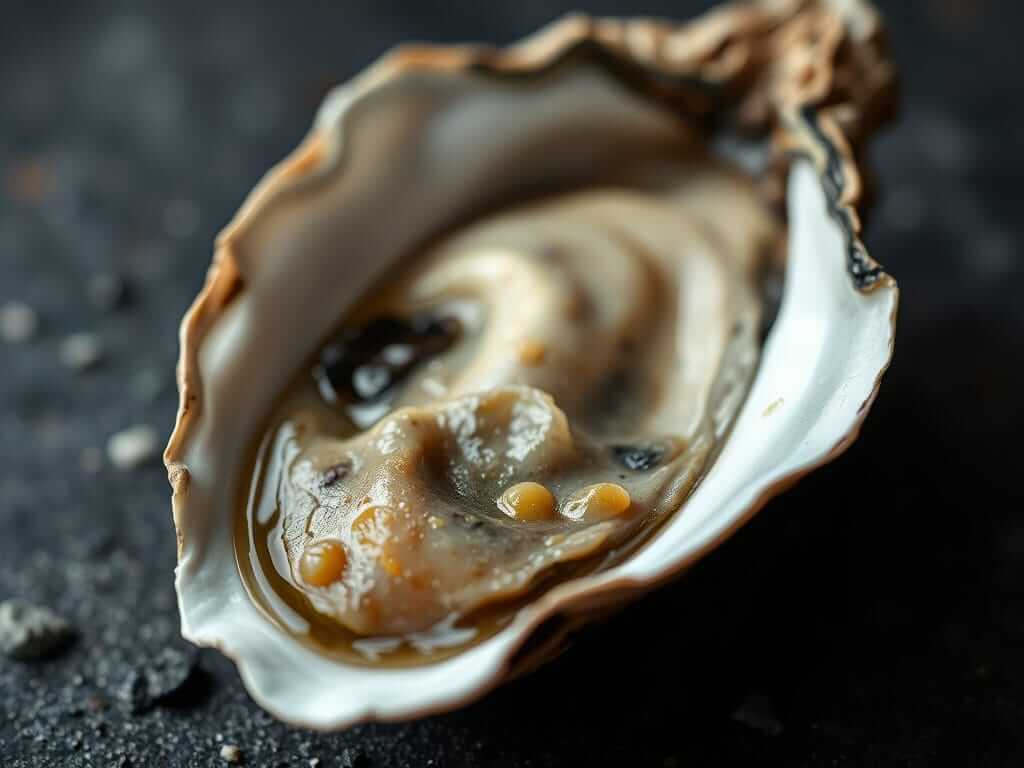
7. Discolored Meat
Fresh oyster meat should appear plump, shiny, and slightly translucent, with colors ranging from off-white to light gray, with some hints of green or beige depending on the species. If you notice any unusual discoloration, such as dark spots, yellowing, or an overly dull appearance, this is a red flag. Discolored meat can indicate spoilage or disease, making the oyster unsafe to eat.
8. Out-of-Season Oysters
While modern refrigeration and farming techniques allow oysters to be consumed year-round, oysters are still best eaten during certain seasons, particularly months with an “R” (September to April) when water temperatures are cooler. During summer months, warmer waters can lead to higher bacteria levels and poor oyster quality. Be cautious of out-of-season oysters, as they may lack the flavor and quality you expect. Check the harvest date and ensure that you’re buying oysters that are both fresh and in season.
9. Improper Storage
Oysters are highly perishable and need to be stored under specific conditions to remain safe and fresh. If you notice that oysters are being stored improperly, whether at a market or restaurant, it’s a serious red flag. Oysters should be kept on ice or refrigerated, with the deep shell side down to retain their liquor. They should never be stored in airtight containers, as they need to breathe. If you see oysters stored at room temperature or handled carelessly, avoid them as their quality and safety could be compromised.
10. Muddy or Grimy Shells
While it’s normal for oyster shells to have some natural dirt or debris, they should not be excessively muddy, grimy, or caked in sediment. Overly dirty shells may indicate poor handling or unsanitary growing conditions. This can also be a sign that the oysters haven’t been cleaned properly, which could affect their taste and pose a health risk.
11. Lack of Supplier Information
Reputable suppliers provide detailed information about the oysters they sell, including the species, origin, and harvest date. If a market or restaurant can’t provide these details, it’s a red flag. Transparent suppliers will share this information to ensure the customer knows they are buying fresh, high-quality oysters. Always ask about the oyster’s origin and harvest date, and avoid buying from vendors who can’t provide this critical information.
Selecting High-Quality Oysters Key Takeaways
- Freshness is key: Always choose oysters with tightly closed shells and a clean, briny smell.
- Visual cues matter: The shell should be intact, the oyster should feel heavy, and liquor should be clear.
- Know your source: Purchase from reputable suppliers and check the harvest date.
- Store properly: Keep oysters cool, moist, and consume them within a few days.
- Taste and savor: Enjoy the regional flavors, textures, and pairings that enhance the oyster experience.
By following these tips, you can confidently select fresh, high-quality oysters for a delicious and safe seafood experience.
Ready to dive deeper into the world of oysters? Explore these related articles:
Discover more from The Oyster Encyclopedia
Subscribe to get the latest posts sent to your email.
Pingback: How to Store Oysters: Master the Art of Keeping Your Bivalves Fresh and Flavorful - The Oyster Encyclopedia