


If you’re a seafood lover, you have probably heard the saying. It goes, “Only eat oysters in months with an ‘R’ in their name.” This age-old adage has sparked debates among oyster enthusiasts for generations. But is this rule fact or myth? Is it safe to eat oysters year-round without worrying about health risks or taste quality? Let’s dive in and separate the shellfish facts from fiction.
The Origin of the “R” Month Rule
The “R” month rule dates back centuries, originating from a time when refrigeration was non-existent. It cautioned against eating oysters during the warmer months of May through August — months without an “R.” Why? Warmer waters can increase the likelihood of harmful bacteria like Vibrio vulnificus flourishing in oysters. Additionally, this period is often when oysters spawn, which can affect their taste and texture.
This rule was practical in the past. However, modern technology, farming practices, and monitoring have transformed how we harvest and consume oysters.
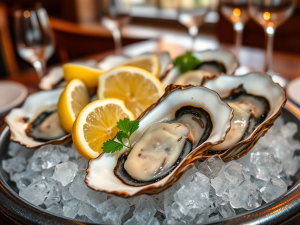
Can You Eat Oysters Year-Round Safely?
Today’s food safety standards allow it. Yes, you can safely eat oysters in any month. Just ensure they come from reputable sources. Here’s why:
1. Modern Refrigeration and Cold Chains
The introduction of refrigeration and cold storage has drastically reduced the risks of consuming oysters outside the “R” months. Properly harvested and stored oysters remain safe to eat regardless of the season.
2. Stringent Shellfish Regulations
Oyster farming and harvesting are now highly regulated in most countries. Agencies like the FDA and NOAA regularly test water quality. They enforce strict guidelines to ensure the safety of shellfish sold to consumers.
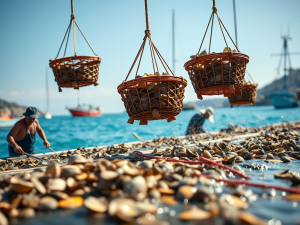
3. Farmed Oysters vs. Wild Oysters
Most oysters available today are farmed rather than wild-caught. Farmed oysters are grown in controlled environments. In these settings, water temperature, cleanliness, and nutrient levels are closely monitored. This practice minimizes the risks from bacteria or contamination.
If you want to learn more about oyster farming, here is a post. It describes all you need to know about what oyster farming is.
Want the full picture?

The Raw Bar Bible
A deeper look into oysters, shucking technique, brine, knife choice, and real raw bar workflow — written from a chef’s point of view. Clear, practical, and built from actual service experience.
Why Oysters May Taste Different in Non-“R” Months
1. Spawning Season Affects Texture and Flavor
Oysters typically spawn during the warmer months of through August, which happens to coincide with the non-“R” months. Spawning is a natural reproductive process during which oysters release eggs and sperm into the water. This period of reproductive activity impacts oysters in the following ways:
- Soft Texture: During spawning, oysters expend a lot of their energy producing gametes (reproductive cells). As a result, their meat becomes softer and less firm. Some people find this less appealing compared to the plump, robust texture of oysters during cooler months.
- Creamy Consistency: Spawning oysters often take on a creamy or milky appearance and consistency. While this isn’t harmful and some people enjoy it, others prefer the clean, briny texture of non-spawning oysters.
- Milder Flavor: Spawning affects the oyster’s glycogen levels. This change can lead to a milder or even blander taste. This is compared to the rich, briny flavor associated with oysters in their prime season.
2. Water Temperature Plays a Role
Water temperature is a significant factor in shaping an oyster’s flavor profile. During cooler months (the “R” months), water temperatures drop, and oysters grow more slowly. This slower growth allows them to build up glycogen stores, which enhances their taste and texture:
- Sweetness: Glycogen, a carbohydrate stored in the oyster’s tissues, gives oysters harvested in cooler months a sweet, slightly nutty flavor.
- Brininess: The cold water also enhances the salinity and brininess, resulting in a crisp and clean taste.
In contrast, warmer water during the summer months can reduce glycogen levels, leading to a flatter or less complex flavor.
3. Regional and Species Variations
Not all oysters spawn at the same time or behave the same way throughout the year. Regional differences and oyster species can influence how they taste during non-“R” months:
- Triploid Oysters: Many modern oyster farms raise triploid oysters, which are genetically modified to not spawn. These oysters maintain a plump, firm texture and consistent flavor year-round, bypassing the drawbacks of spawning season.
- Warm-Water Oysters: Some oysters, particularly those from warmer climates, are better adapted to higher water temperatures. While their flavor differs slightly from cold-water oysters, they’re still enjoyable even in non-“R” months.
4. Environmental Factors Impact Flavor
Beyond temperature and spawning, other environmental factors can influence an oyster’s taste:
- Nutrient Levels: Warmer months bring higher levels of plankton and algae to the water, which oysters feed on. This can subtly change their flavor, making them taste slightly more earthy or vegetal.
- Water Quality: Cleaner, cooler waters produce oysters with a purer, more consistent flavor. In non-“R” months, especially in unregulated areas, water quality can fluctuate due to increased bacteria or runoff, impacting taste.
5. Freshness and Handling Matter
During warmer months, oysters must be handled with extra care to maintain their freshness. Safety measures like refrigeration reduce risks. However, if oysters aren’t stored properly, they can lose their flavor and texture quality more quickly. Fresh, well-handled oysters taste better regardless of the season.
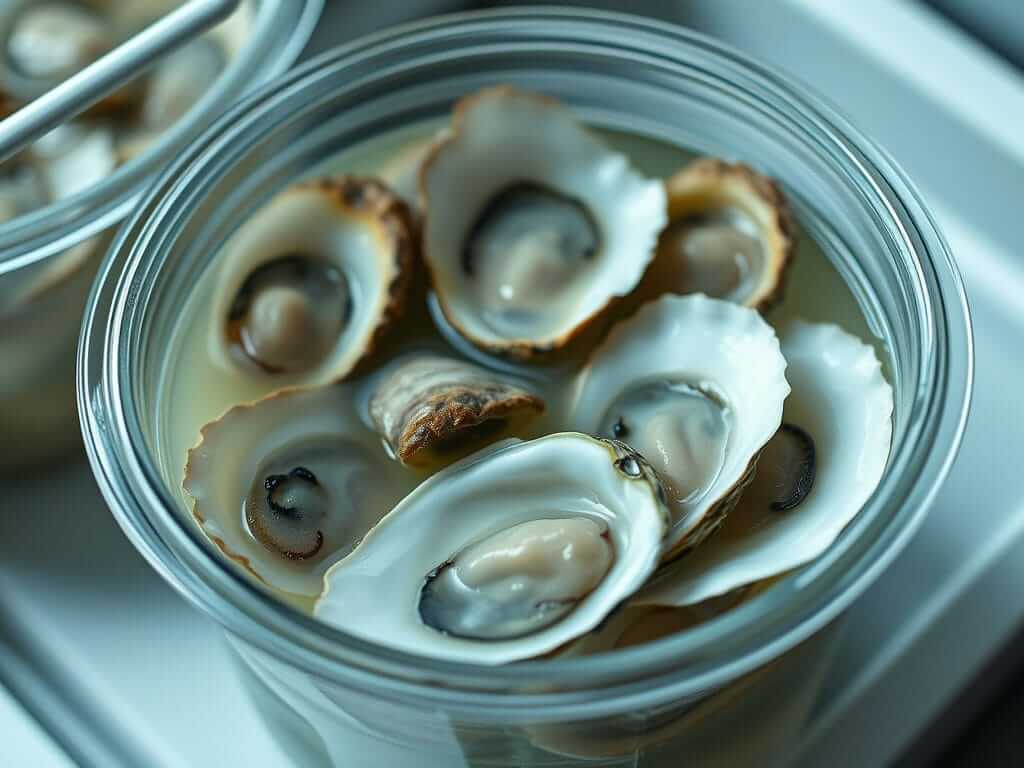
Learn more about handling oysters by reading our full blown guide on How to Store Oysters!
6. Perception and Cultural Preferences
For some people, the perceived difference in taste during non-“R” months comes from tradition and expectations. It is not based on actual flavor. Historically, oysters were considered a winter delicacy in many cultures. This was partly because they were easier to store and transport in colder weather. This long-standing association can shape how oysters are enjoyed and rated during different times of the year.
Tips for Enjoying Oysters Safely Any Month of the Year
Whether you’re indulging in oysters during January or July, following these tips can help you avoid risks and savor the best flavors:
- Source Matters
Always buy oysters from trusted suppliers who adhere to strict safety protocols. - Inspect Before Eating
Fresh oysters should smell briny, not fishy. Their shells should be tightly closed or snap shut when tapped. - Chill Properly
Keep oysters cold at all times before serving. Serve raw oysters on ice to maintain freshness. - Cook for Extra Safety
To eliminate bacteria, cook oysters to an internal temperature of 145°F. This will kill any potential pathogens.
Get the full details on choosing the freshest oysters with our ins and out on Selecting High-Quality Oysters
Debunking Myths Around Oyster Safety

- Myth: You’ll get sick eating oysters in months without an “R.”
Fact: With modern food safety measures, the risk is minimal if oysters are handled properly. - Myth: All warm-water oysters are dangerous.
Fact: Many warm-water oyster farms implement rigorous safety measures to ensure their products are safe to consume.
Conclusion: Is the “R” Month Rule Still Relevant?
The “R” month rule is no longer the hard-and-fast guideline it once was. Thanks to advancements in oyster farming, refrigeration, and monitoring, you can safely enjoy oysters all year long. That said, the best time to indulge in oysters for peak flavor and texture is during the cooler months. This is when spawning has ceased.
Whether you’re slurping oysters in the middle of summer, or you’re at a winter oyster roast, the key is selecting shellfish that are high-quality. Make sure they are responsibly sourced. As long as you follow proper safety practices, oysters are a delicious and versatile delicacy for any season.
Discover more from The Oyster Encyclopedia
Subscribe to get the latest posts sent to your email.