

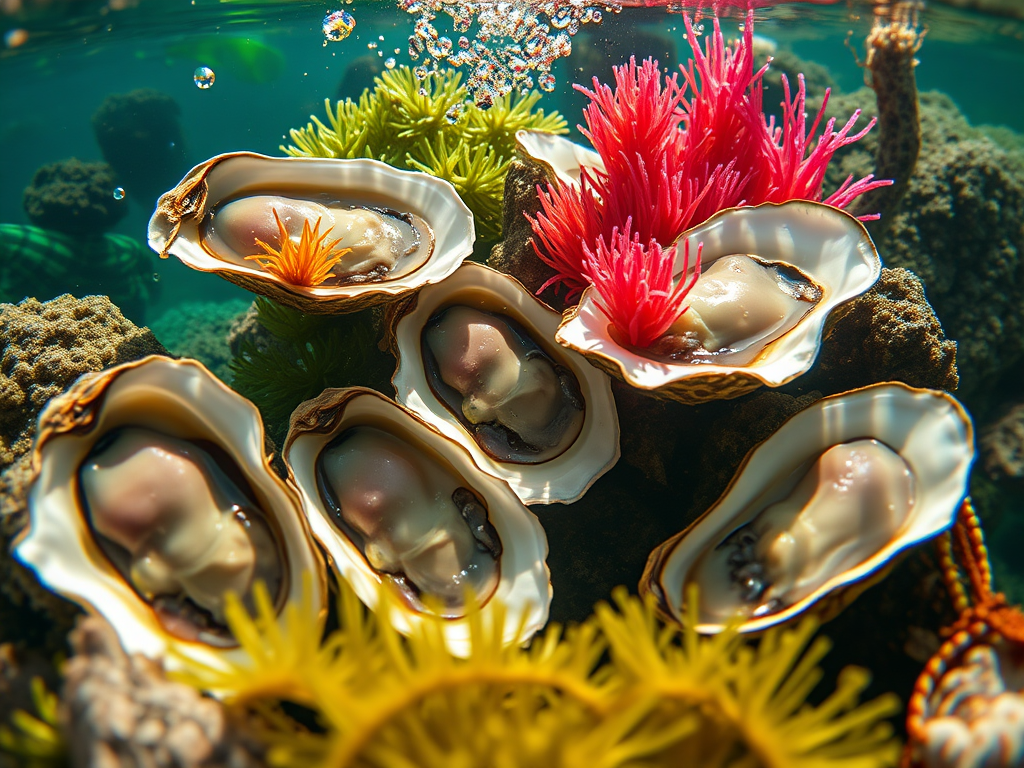
Ever wonder why oysters from different regions have distinctly different tastes? While all oysters are essentially the same species, their unique flavors—briny, sweet, metallic, or creamy—come from the environments they grow in. This phenomenon, known as “merroir,” explains how location profoundly influences oyster flavor.
The Concept of “Merroir”
Merroir is similar to the concept of terroir in wines; it refers to how oysters express distinct characteristics based on their local marine environment. Each oyster is a reflection of its specific waters, encapsulating nuances of salinity, nutrients, algae, and minerals.

Key Factors Influencing Oyster Flavor
1. Water Salinity
Salinity significantly impacts oyster taste. High-salinity waters, such as the cold, salty Atlantic Ocean, produce oysters with a crisp, briny bite. In contrast, oysters from lower salinity estuaries tend to taste milder and sweeter.
2. Water Temperature and Seasonality
Water temperature affects oyster metabolism and growth. Cooler waters slow oyster growth, producing firmer textures and a more concentrated flavor. Seasonal variations, particularly during spawning, can also alter flavor, often making oysters creamier or slightly milky.
3. Algae and Diet
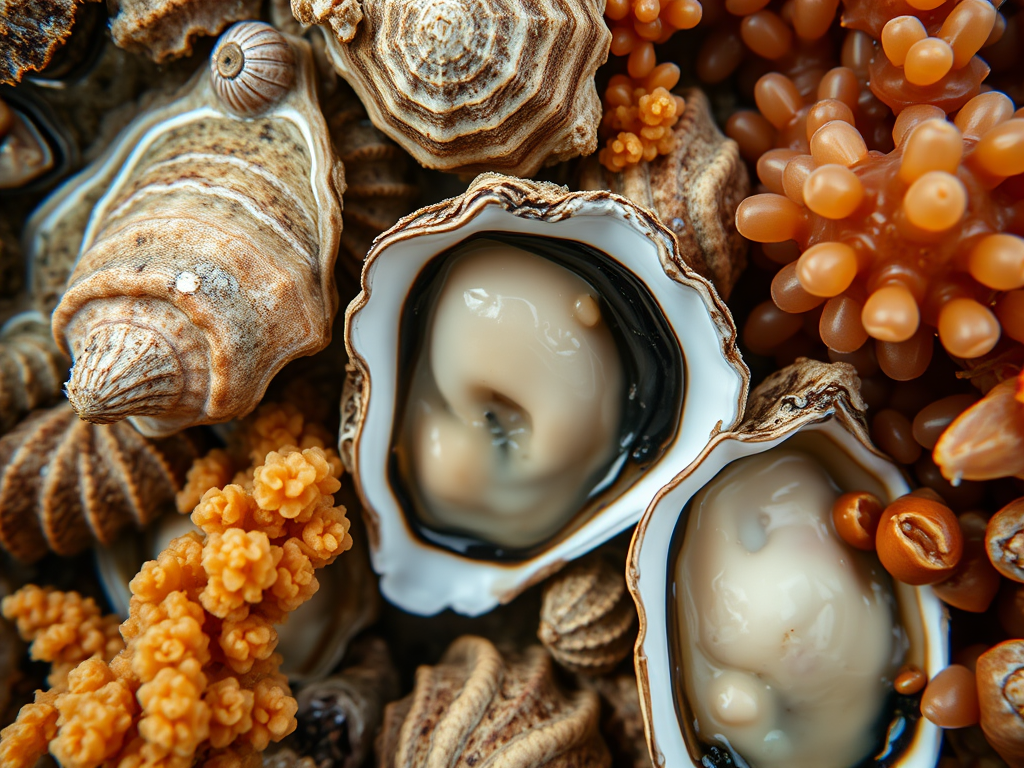
Oysters filter-feed on plankton, algae, and minerals from their surroundings. Different algae varieties impart distinct flavors—some sweet, some vegetal—dramatically influencing taste.
4. Tidal Influence and Water Flow
Strong tidal currents deliver fresh nutrients, making oysters plumper and firmer, enhancing their texture and flavor complexity.
Region-by-Region Flavor Profiles
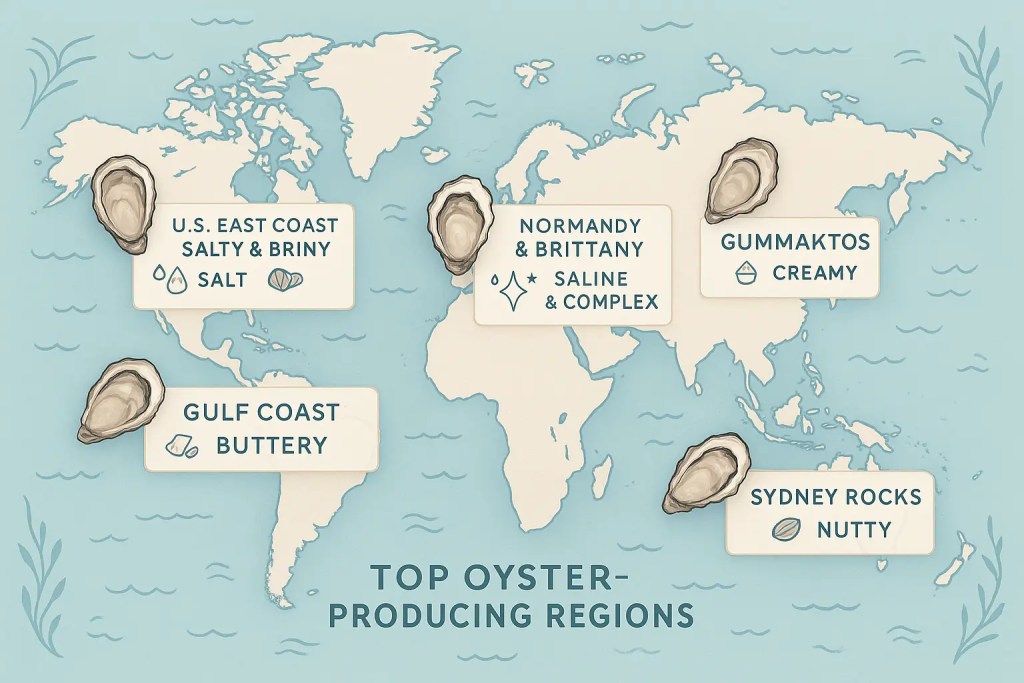
- East Coast (U.S.): Typically salty, briny oysters like Blue Points or Wellfleets.
- Gulf Coast: Known for milder, creamier oysters, slightly sweet due to warmer, lower-salinity waters.
- West Coast (U.S.): Oysters such as Kumamotos offer nuanced flavors, cucumber-like sweetness, and crisp textures.
- International: French oysters (nutty, mineral-rich), Australian oysters (buttery, slightly sweet).
Want the full picture?
The Raw Bar Bible
A deeper look into oysters, shucking technique, brine, knife choice, and real raw bar workflow — written from a chef’s point of view. Clear, practical, and built from actual service experience.
Human Influence: Farming Practices
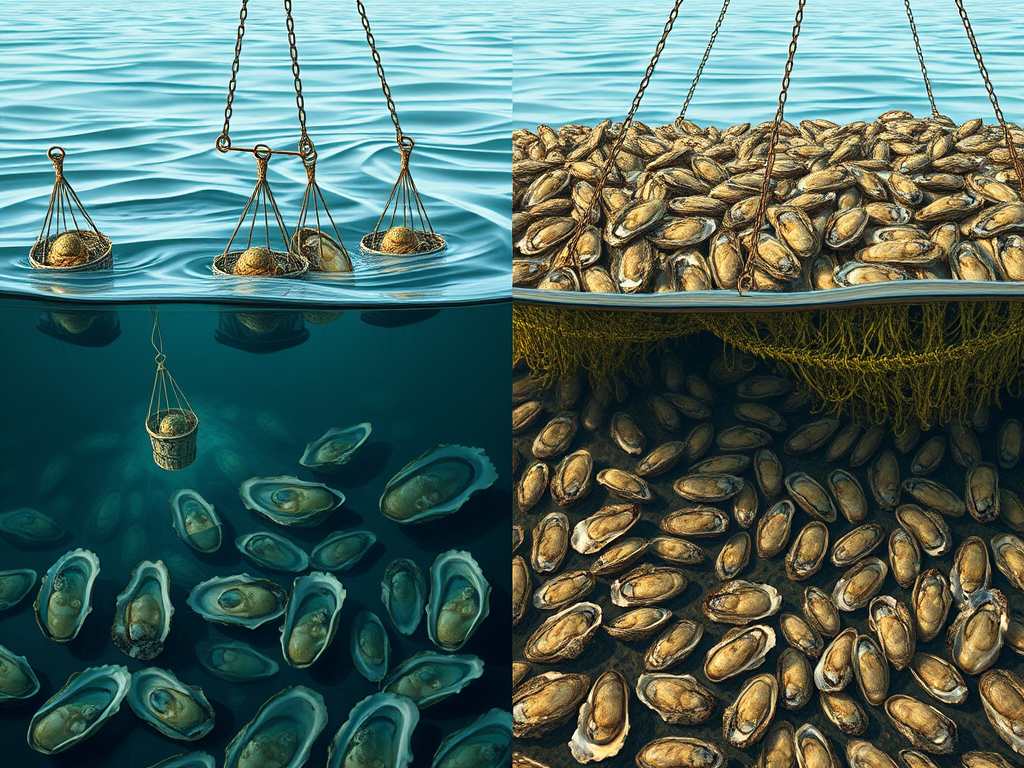
Different farming techniques significantly impact oyster taste and quality. Suspended farming methods, where oysters are cultivated in floating bags or racks, allow them to feed more efficiently, resulting in cleaner, more uniform oysters with a delicate, refined taste. On the other hand, bottom-planted oysters, which grow directly on seabeds, encounter a broader range of minerals and sediments. This exposure imparts more robust, earthy flavors and sturdier textures.
Furthermore, oyster farmers frequently adjust farming practices seasonally, manipulating factors like exposure to sunlight, water depth, and harvest timing, each of which can further nuance the oyster’s final taste and texture.
How to Identify Your Oyster Preferences
Discovering your oyster preferences involves attentive tasting and noting specific qualities. Organizing or attending an oyster tasting flight is an excellent way to begin. Consider aspects such as texture—whether creamy, firm, or somewhere in-between—brininess levels, sweetness, and even subtle vegetal or mineral undertones.
Use a tasting journal or digital notes to track your impressions. Over time, patterns will emerge that link your favorite oysters to particular regions, water characteristics, or farming methods. This not only enhances your palate but also deepens your appreciation for the nuances oysters can offer.
Walk Away With This
The incredible diversity of oyster tastes is a direct reflection of their environment—an aquatic testament to the subtle magic of merroir. Exploring oysters from different regions can transform your culinary experiences, deepening your appreciation for these delightful mollusks. Whether you prefer briny Atlantic oysters, sweet Gulf varieties, or the nuanced, crisp taste of Pacific oysters, each oyster offers a unique experience, directly connecting your palate to the waters it called home.
If you enjoyed this article, then check out some of our related content!
Discover more from The Oyster Encyclopedia
Subscribe to get the latest posts sent to your email.