


Vibrio vulnificus is a type of bacteria that can cause serious illness in humans. It is a gram-negative, motile, curved bacterium that is part of the Vibrio genus and the Vibrionaceae family. It is commonly found in warm seawater and is part of a group of vibrios that are called “halophilic” because they require salt to grow.
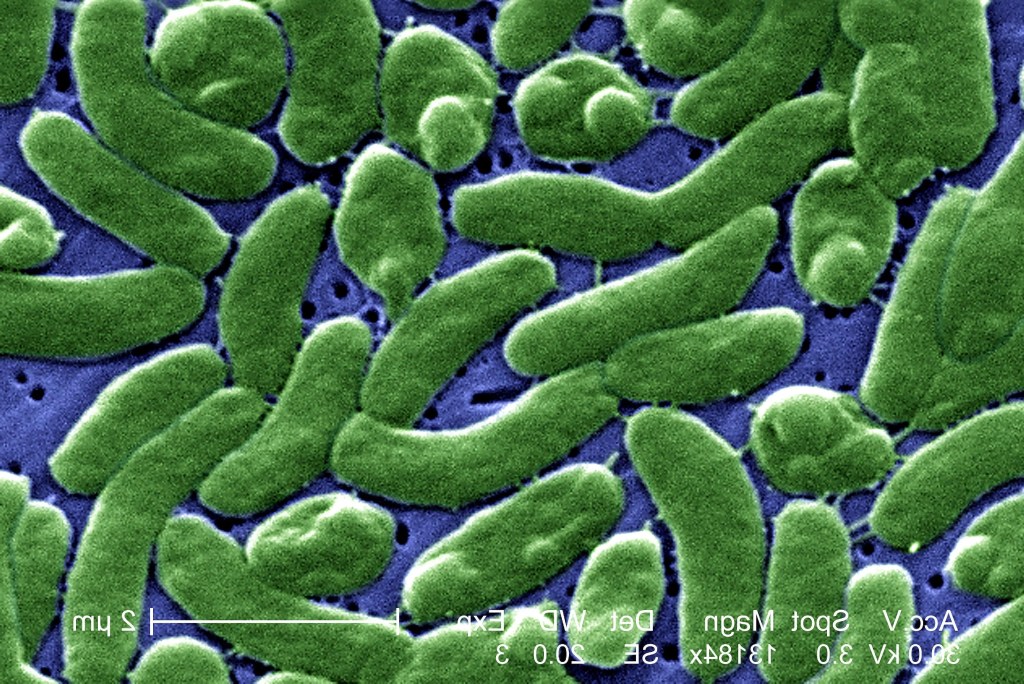
Vibrio vulnificus can cause life-threatening wound infections when a wound comes into contact with raw or undercooked seafood, its juices, or its drippings or with saltwater or brackish water. It can also enter the body when you eat uncooked or undercooked shellfish, causing a serious form of the illness vibriosis that can quickly lead to sepsis, shock, and large, spreading blisters that destroy tissues.
Vibrio vulnificus is a rare but serious bacterial infection that can lead to septicemia, severe wound infections, and gastroenteritis. It is found in brackish water in warm coastal regions around the world and is rarely detected in water colder than 13 °C (55.4 °F), so most infections in the US occur between the months of May and October.
How do You Get Vibrio Vulnificus?
Vibrio vulnificus is a type of bacteria that can cause serious illness in humans. It is naturally found in warm marine waters, and people can be exposed to V. vulnificus through direct contact with seawater.
It is important to note that Vibrio vulnificus infections are rare, and most people who are exposed to the bacteria do not get sick. However, people with certain underlying health conditions are at higher risk of developing severe illness if they are infected with Vibrio vulnificus.
Common Sources
- Open wounds or cuts that come into contact with seawater or brackish water where the bacteria are present
- Eating raw or undercooked shellfish, particularly oysters, that are contaminated with the bacteria
- Handling contaminated seafood, such as raw oysters, and then touching your mouth or an open wound
- Swallowing seawater while swimming or playing in the ocean
What are the Symptoms Vibrio Vulnificus?
Symptoms of Vibrio vulnificus infection can vary depending on the type of infection. For wound infections, symptoms may include fever, redness, pain, swelling, warmth, discoloration, and discharge (leaking fluids). Patients with primary wound infections caused by V. vulnificus develop painful cellulitis that progresses rapidly, and almost one half of patients develop systemic symptoms such as fever and chills.
For food-related infections, patients may have diarrhea for several days and may have nausea, vomiting, stomach cramping, fever, and chills. Some patients with severe illness develop V. vulnificus bloodstream infection, which is a life-threatening condition characterized by fever, chills, dangerously low blood pressure, and blistering skin lesions.

Symptoms of Vibrio vulnificus infection can come on suddenly, usually fewer than 24 hours after you come in contact with the bacteria, and may include:
- Skin redness or rash that quickly becomes swollen and painful,
- Fluid-filled blisters on your skin that are large, discolored, or painful
- Nausea and vomiting
- Diarrhea
- Dizziness
- Fainting or weakness (signs of low blood pressure)
- Confusion or altered mental state,
- Fast heart rate,
- Fever and chills.
- Watery diarrhea
What Are The Risk Factors ?
Risk factors for Vibrio vulnificus infection include:
- Chronic liver disease, including cirrhosis
- Alcoholism
- Hematological disorders
- Hemochromatosis
- Chronic kidney (renal) failure
- Diabetes
- Malignancy
People with these conditions are more likely to get Vibrio vulnificus infections if they are exposed to the bacteria. Vibrio vulnificus is a halophile, which means it is a salt-loving bacterium that lives in warm, mildly salty (brackish) water, usually where areas of fresh water (like rivers) meet salty seawater
What Are Some Best Practices to Prevent Vibrio Vulnificus?
- Avoid exposing open wounds or cuts to seawater or brackish water where the bacteria are present.
- Cover open wounds or cuts with waterproof bandages before going into the water.
- Wash wounds and cuts thoroughly with soap and water if they come into contact with seawater or brackish water.
- Seek medical attention immediately if you develop signs of infection, such as redness, swelling, warmth, or discharge at the site of a wound or injury.
- Aggressive debridement is necessary to eradicate the infection in case of wound infection.
- Antibiotics are necessary to eradicate the infection.
- Doctors may need to amputate a patient’s legs or arms to remove dead or infected tissue.
By following these guidelines, you can greatly reduce your risk of Vibrio vulnificus infection. It is important to note that people with certain underlying health conditions are at higher risk of developing severe illness if they are infected with Vibrio vulnificus
What is the treatment for Vibrio vulnificus infection?
The treatment for Vibrio vulnificus infection typically involves antibiotics to eradicate the infection, aggressive wound therapy, and supportive care. The goals of therapy are to eradicate the infection, to reduce morbidity, and to prevent complications. Antibiotics are necessary to eradicate V. vulnificus infection, and effective antibiotics may include tetracycline, third-generation cephalosporins, and imipenem.
Doxycycline is the antibiotic of choice for V. vulnificus infection, but it is not usually a part of the empiric therapy for septicemia. Tigecycline may be a good choice for treating invasive V. vulnificus infections. If necrotizing fasciitis is suspected, early fasciotomy and culture-directed antimicrobial therapy should be performed. Patients with V. vulnificus infection may develop hypotensive shock, leukopenia, severe hypoalbuminemia. Other possible outcomes include are underlying chronic illness, especially a combination of hepatic dysfunction and diabetes mellitus.
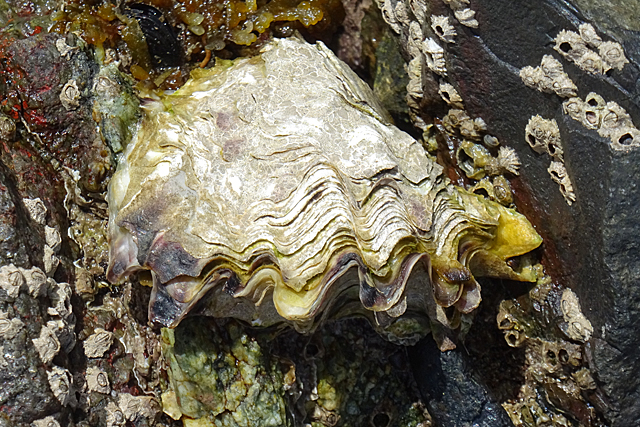
In addition to antibiotics, other treatments may be necessary to keep skin infections from spreading. They treat conditions like shock, including surgical debridement, draining fluid, amputation of limbs, medication that treats low blood pressure, intravenous fluids, and oxygen therapy. By seeking medical attention promptly and following the prescribed treatment plan, patients with Vibrio vulnificus infection can recover from the illness.
Your Take Away on All This
In conclusion, Vibrio vulnificus is a type of bacteria that can cause serious illness in humans. It is a member of the Vibrionaceae family and can cause gastrointestinal disease, wound infections, and highly fatal septicemia. Vibrio vulnificus infections are rare, but they can be severe, especially for people with certain underlying health conditions.
Risk factors for Vibrio vulnificus infection include chronic liver disease, alcoholism, hematological disorders, hemochromatosis, chronic kidney (renal) failure, diabetes, and malignancy.
Vibrio vulnificus infections can occur through different sources, including eating raw or undercooked shellfish or handling contaminated seafood. It can manifest from swallowing seawater while swimming or playing in the ocean. Exposing open wounds or cuts to seawater or brackish water where the bacteria are present is a another way. Contact with contaminated objects increases the probability of getting the virus as well.
Following proper food handling and wound care practices is the biggest way to protect yourself. If you notice something is off, seeking medical attention promptly, and following the prescribed treatment plan is imperative. Patients with Vibrio vulnificus infection can recover from the illness, but you must be proactive!
Discover more from The Oyster Encyclopedia
Subscribe to get the latest posts sent to your email.
Pingback: The Emergence of Dermo Disease in Oysters: Understanding the Role of Perkinsus Marinus - The Oyster Encyclopedia
Pingback: Is it Safe To Eat Oysters Year-Round? Breaking Down the "R" Month Rule - The Oyster Encyclopedia