


10 Top Aquaculture Producers: Leading Nations in Global Aquaculture (2024)
Aquaculture, the farming of fish, crustaceans, mollusks, and other aquatic organisms, has become one of the fastest-growing sectors in food production. In 2024, the top aquaculture producers dominated global production, contributing to nearly 90% of the world’s aquaculture output. These countries, leveraging their natural resources, technological advancements, and government support, have established themselves as leaders in this vital industry. The growth of aquaculture is not only essential for meeting the rising global demand for seafood but also for providing sustainable alternatives to wild-caught fisheries.
In this article, we will examine the top aquaculture producers and the key factors driving their success in shaping the future of global seafood supply.
1. China: The Unrivaled Leader

Overview
China is by far the largest producer of aquaculture products globally, contributing over 60% of the world’s total aquaculture production. This dominance is supported by the country’s rich history in fish farming, with techniques dating back over 4,000 years. China’s vast network of freshwater bodies, coastal waters, and technological innovations in aquaculture have been key drivers of its success.
Key Products
- Carp: The primary species farmed in China, particularly grass carp, silver carp, and common carp, are responsible for a significant portion of global aquaculture production.
- Tilapia: This versatile fish is highly valued for its export potential and is one of China’s major aquaculture products.
- Shrimp and Crustaceans: China is also a leader in crustacean farming, with shrimp playing a crucial role in both domestic consumption and exports.
2. Indonesia: A Rapidly Expanding Industry
Overview
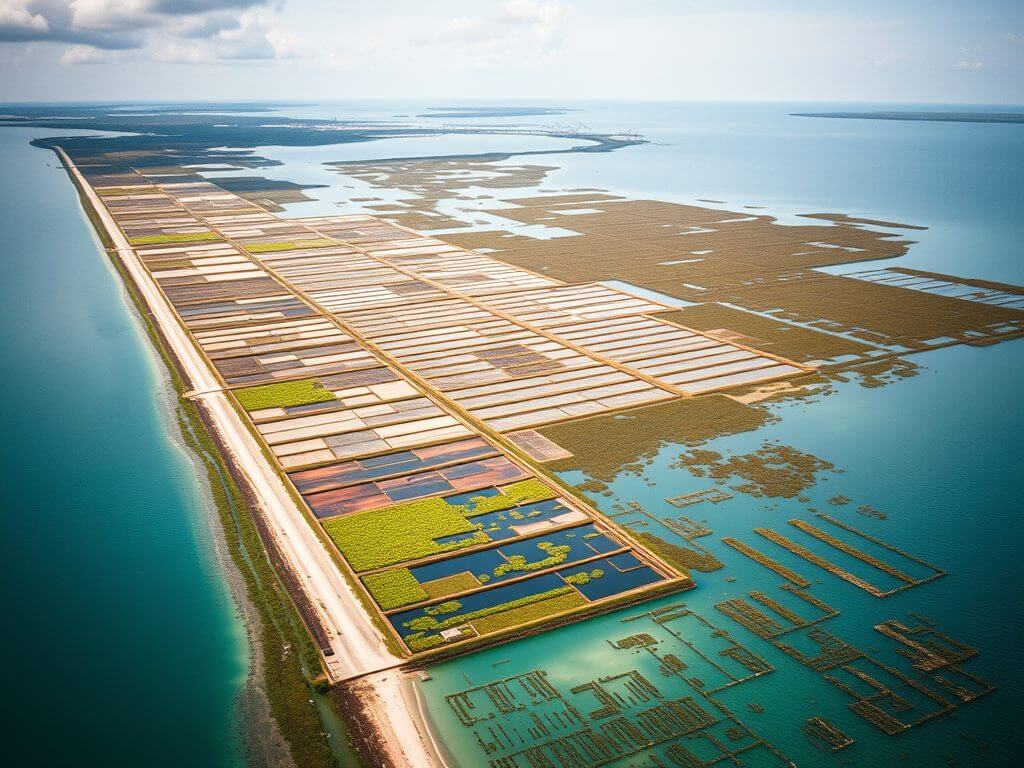
Indonesia is the second-largest aquaculture producer in the world. With its extensive coastline, tropical climate, and rich biodiversity, the country has the ideal environment for aquaculture. The industry has seen remarkable growth in recent years, driven by both domestic consumption and export demand.
Key Products
- Shrimp: Indonesia is a global leader in shrimp production, particularly white-leg shrimp (Penaeus vannamei), which is a popular export item.
- Seaweed: Indonesia is the world’s largest seaweed producer, with extensive farms in its coastal regions.
- Milkfish: This is another significant species, commonly farmed in coastal ponds.
3. India: Focus on Sustainable Growth
Overview
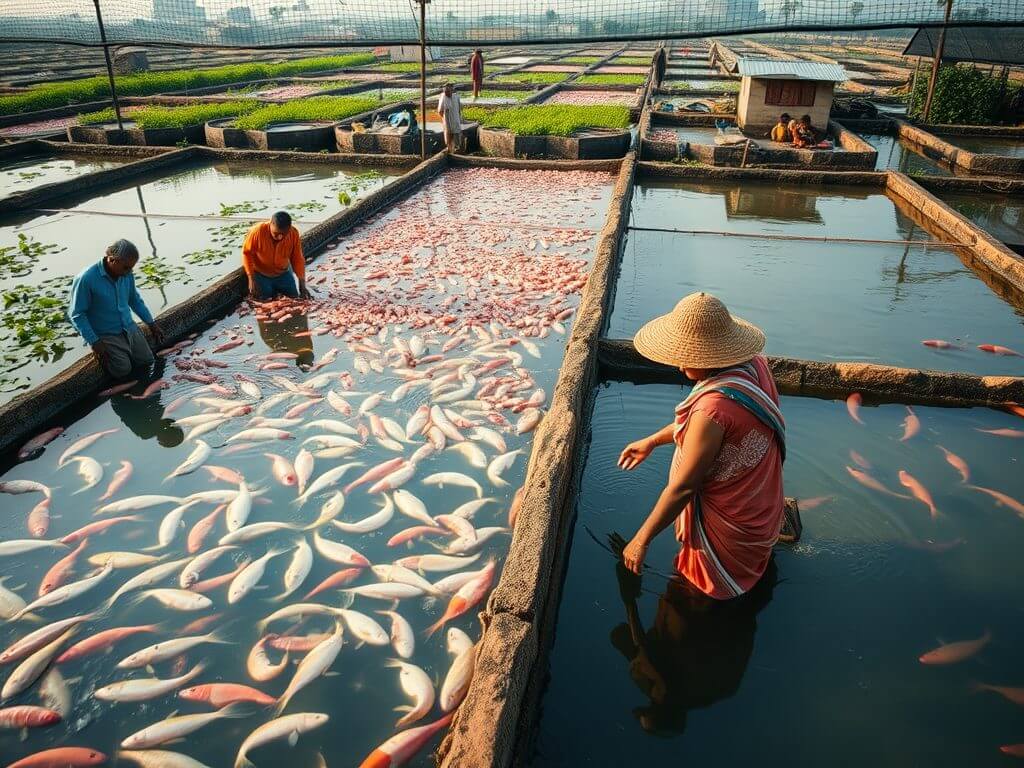
India ranks as the third-largest aquaculture producer globally, with freshwater aquaculture accounting for most of its output. The country’s diverse ecosystems provide favorable conditions for farming various species. India’s aquaculture industry plays a critical role in rural livelihoods and food security.
Key Products
- Shrimp: India is one of the world’s largest exporters of shrimp, particularly to the United States and Europe.
- Carp: Indian major carps, including Rohu, Catla, and Mrigal, are the mainstay of the country’s freshwater aquaculture.
- Pangasius (Catfish): Increasingly popular due to its rapid growth and high market demand.
4. Vietnam: Export Powerhouse
Overview
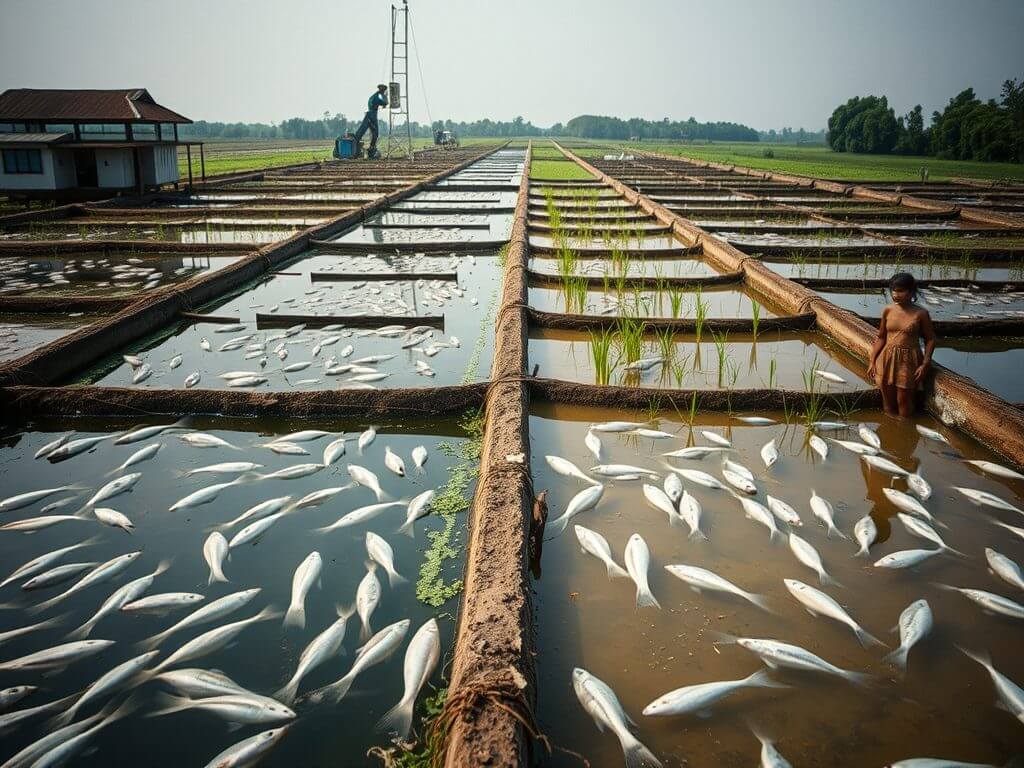
Vietnam is a major player in global aquaculture, ranking among the top five producers. The country’s success has been fueled by its strategic coastal location and government support for the sector. Vietnam is particularly known for its aquaculture exports, which contribute significantly to the nation’s economy.
Key Products
- Pangasius: Vietnam is the world’s largest producer of Pangasius (basa fish), a popular export to European and American markets.
- Shrimp: Vietnam is also a leading shrimp exporter, with both black tiger shrimp and white-leg shrimp being farmed extensively.
- Tilapia: Though not as prominent as Pangasius, tilapia farming is growing in Vietnam.
5. Bangladesh: A Rising Star
Overview
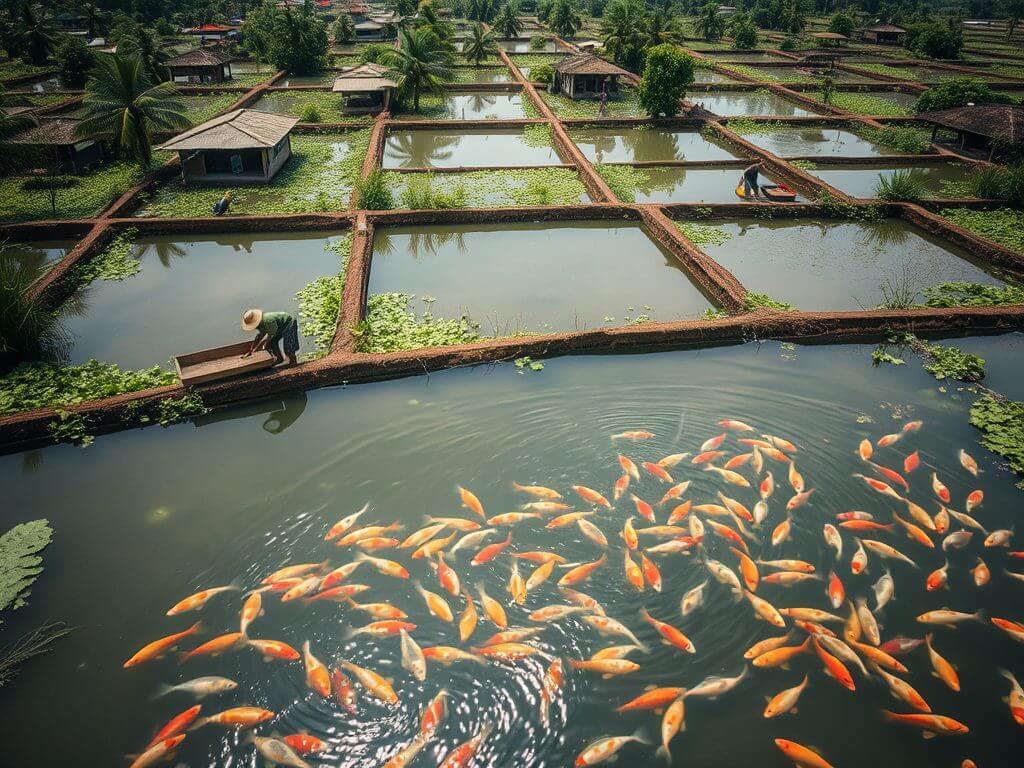
Bangladesh has rapidly emerged as one of the world’s top aquaculture producers, with the industry contributing significantly to the country’s economy. Aquaculture is essential for food security in Bangladesh, as fish is a staple in the local diet.
Key Products
- Carp: Various species of carp, including Rohu and Catla, are the dominant species in Bangladesh’s aquaculture sector.
- Tilapia: This fast-growing species is becoming increasingly important for both domestic consumption and export.
- Shrimp: Black tiger shrimp farming is significant, particularly for export markets.
6. Norway: Pioneering Salmon Farming
Overview
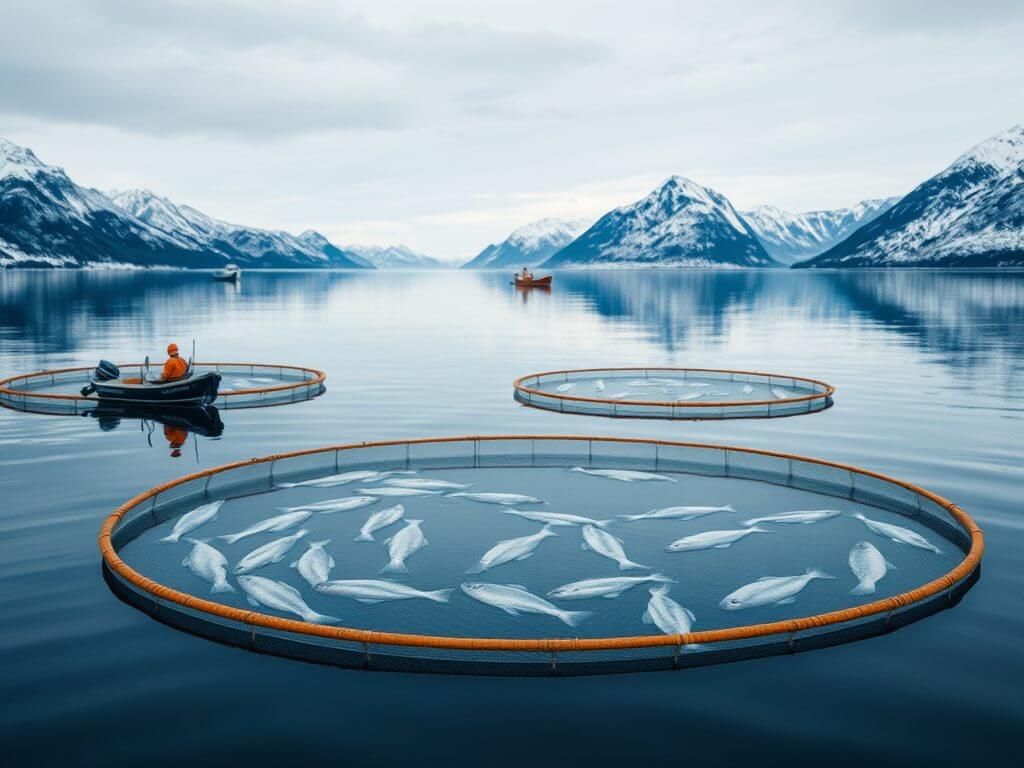
Norway is a world leader in salmon farming, contributing a substantial portion of the global supply of farmed Atlantic salmon. The country’s cold, clean waters and advanced aquaculture technologies have made it a model for sustainable fish farming.
Key Products
- Atlantic Salmon: Norway is synonymous with high-quality farmed salmon, which is exported to markets around the world.
- Trout: Norway also produces farmed trout, though it is less prominent than salmon.
7. Chile: Major Exporter of Salmon
Overview
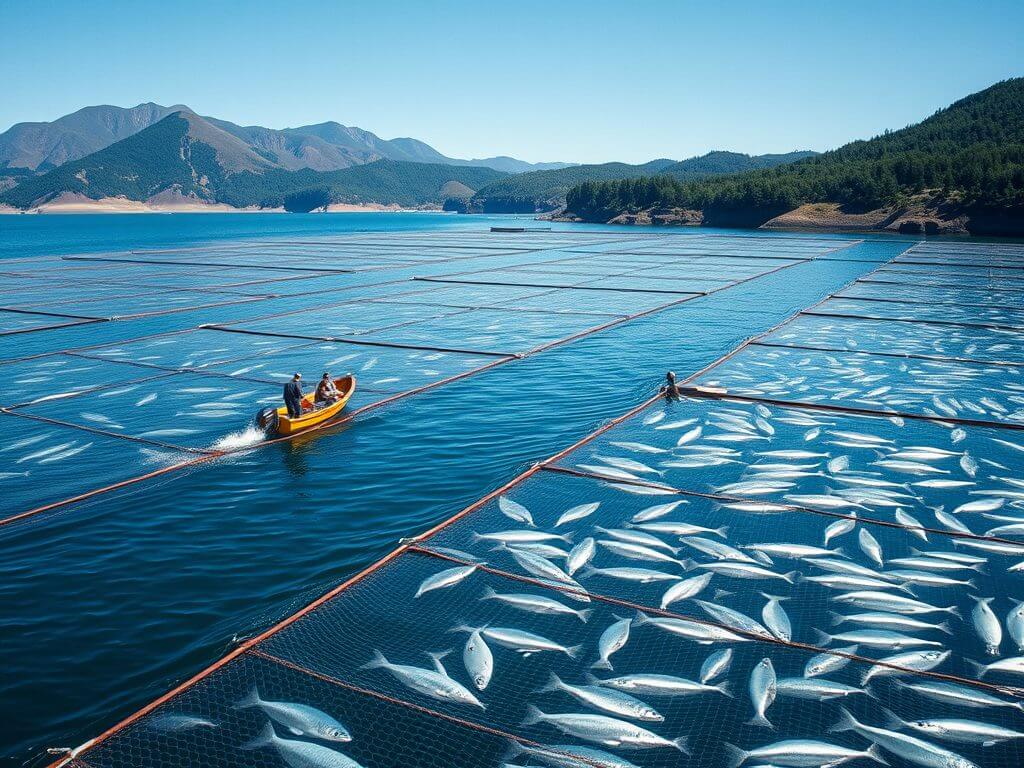
Chile is the second-largest producer of farmed salmon globally, just behind Norway. The country’s extensive coastline and favorable oceanic conditions make it an ideal location for salmon farming. Chile’s aquaculture sector plays a vital role in its economy, particularly through exports.
Key Products
- Atlantic Salmon: Chile is a leading producer and exporter of Atlantic salmon, particularly to the United States, Japan, and Brazil.
- Coho Salmon: Another important species farmed in Chile, coho salmon is primarily exported to Asia.
8. Egypt: Leading in Africa
Overview
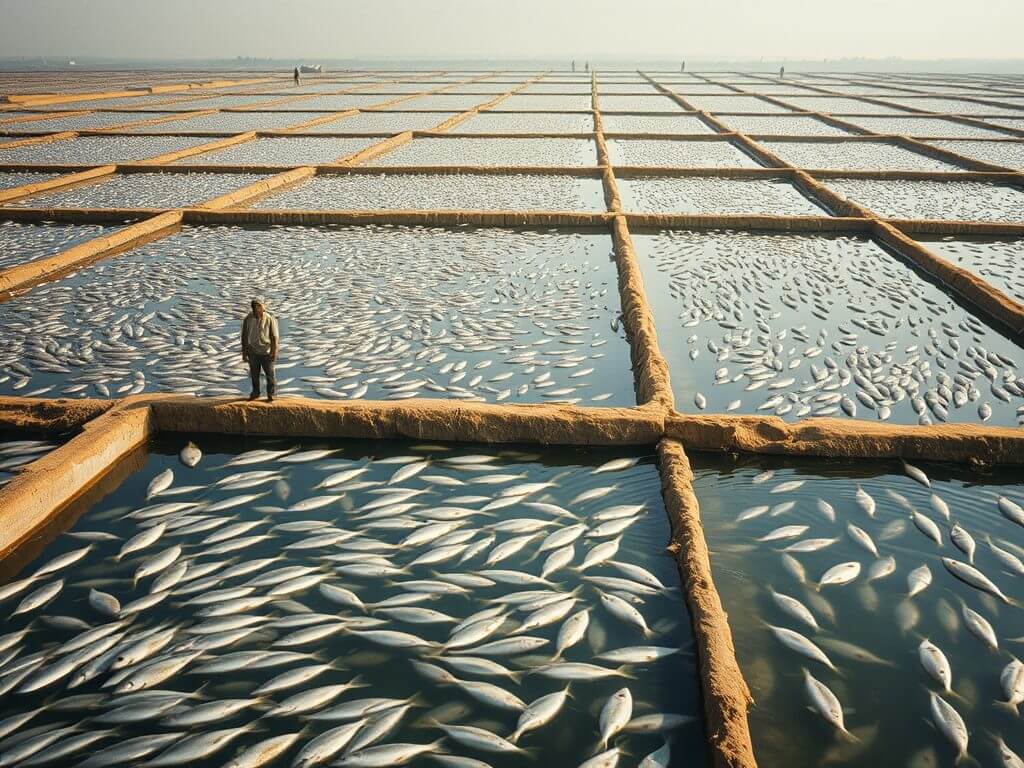
Egypt is the largest aquaculture producer in Africa, with freshwater aquaculture being the dominant form of production. The country’s aquaculture sector has grown rapidly over the past few decades and plays a critical role in providing affordable protein for its population.
Key Products
- Tilapia: Egypt is one of the world’s largest producers of farmed tilapia, which is a staple in the local diet.
- Catfish: Another important species in Egyptian aquaculture, contributing to food security and employment.
9. Thailand: Strong Aquaculture Sector

Overview
Thailand has a well-established aquaculture industry, particularly in shrimp and tilapia farming. The country is a major exporter of aquaculture products, contributing significantly to the global seafood supply.
Key Products
- Shrimp: Thailand is one of the world’s largest producers of farmed shrimp, particularly white-leg shrimp.
- Tilapia: This species is widely farmed in Thailand, both for domestic consumption and export.
- Catfish: Increasingly popular in local markets, catfish farming has been expanding in recent years.
10. Philippines: An Important Player in Southeast Asia
Overview
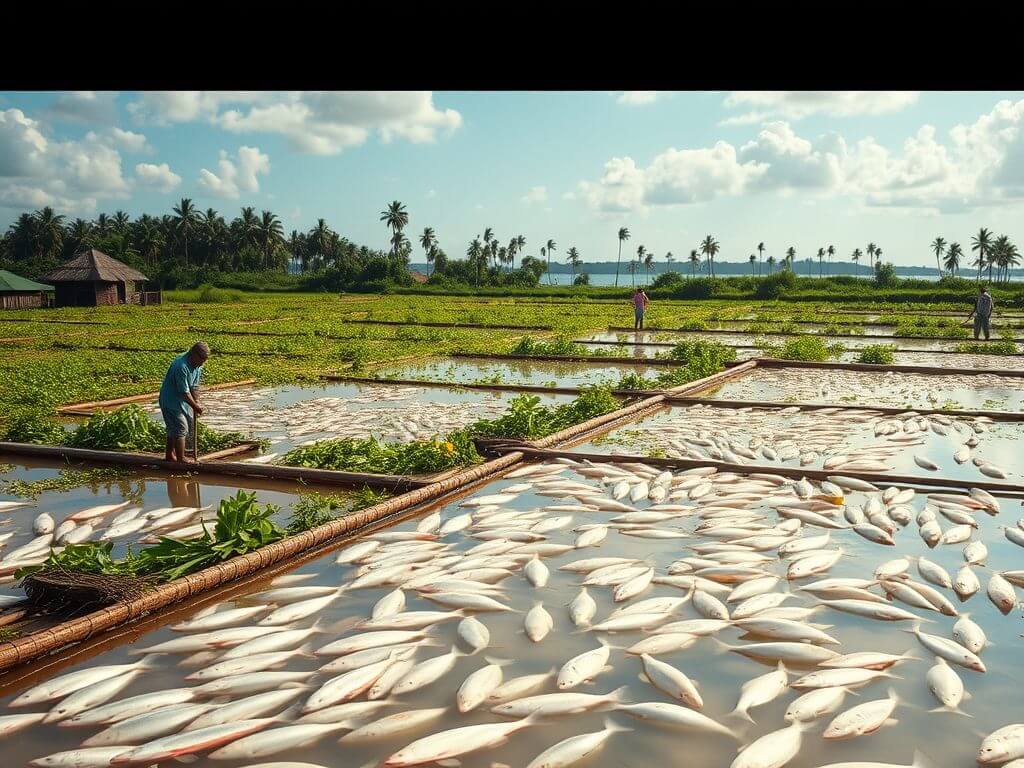
The Philippines is a key player in Southeast Asia’s aquaculture industry, with an emphasis on species that thrive in its tropical environment. The country’s aquaculture sector supports millions of livelihoods and contributes to both domestic food security and exports.
Key Products
- Milkfish: Known locally as bangus, milkfish is the most important aquaculture species in the Philippines.
- Tilapia: Widely farmed across the country, tilapia is an important source of protein for the local population.
- Shrimp: Although less dominant than milkfish and tilapia, shrimp farming is growing in importance, particularly for export markets.
Conclusion
The top aquaculture producers—led by China, Indonesia, India, Vietnam, Bangladesh, and others—play a crucial role in feeding the world’s growing population and supporting global seafood markets. Each of these countries has leveraged its unique environmental, economic, and technological advantages to become leaders in the industry. As global demand for seafood continues to rise, these nations will remain at the forefront of the aquaculture revolution, contributing to food security, economic growth, and sustainability.
Discover more from The Oyster Encyclopedia
Subscribe to get the latest posts sent to your email.