

Farmed and wild oysters share similar growth patterns but differ significantly in their environmental impact, taste profiles, and availability. Farmed oysters account for 95% of oysters consumed today, offering consistent quality and sustainable harvesting practices5.
Environmental Impact
Think of oysters as nature’s water purification system on steroids. These remarkable bivalves are working overtime, with each oyster filtering up to 45 gallons of water daily – that’s enough to fill a small bathtub! They’re like tiny vacuum cleaners of the sea, sucking up excess nitrogen, heavy metals, and other pollutants that would otherwise harm marine environments.
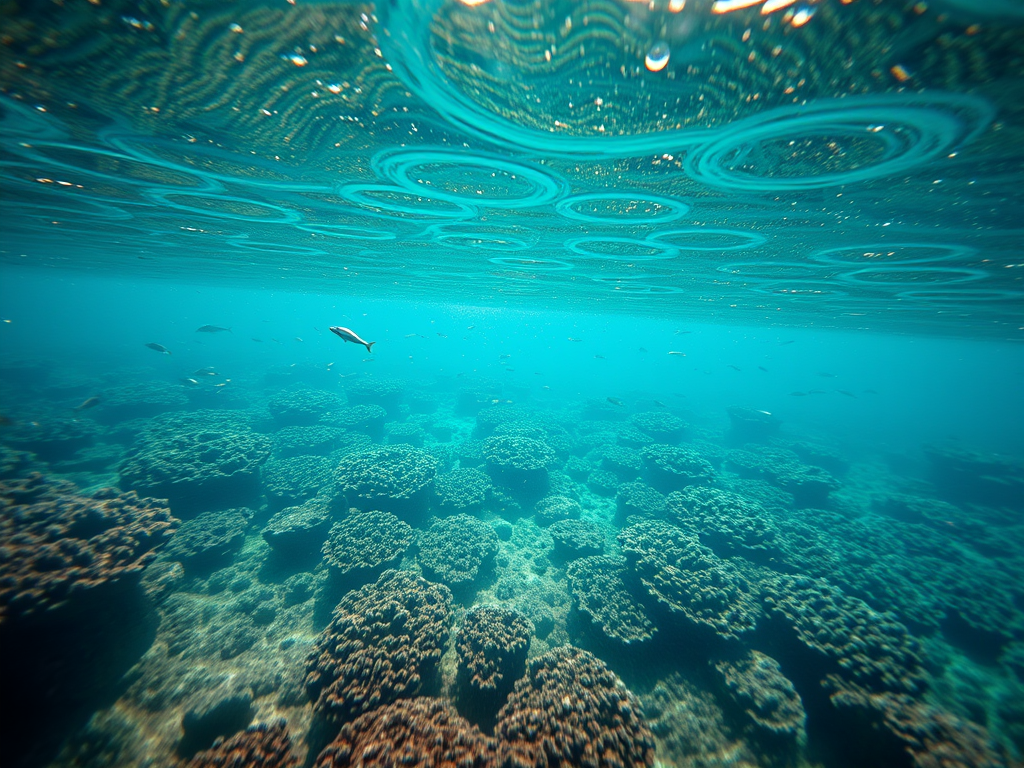
But their environmental superpowers don’t stop there. Farmed oysters are actually climate change warriors in disguise. As they build their calcium carbonate shells, they’re actively storing carbon and helping reduce CO2 levels in both water and atmosphere. Unlike traditional livestock farming that produces significant methane emissions, oyster farms are completely methane-free.
Picture an underwater city – that’s essentially what oyster farms create. These aquatic metropolises become thriving habitats for marine life, where fish dart between the oyster bags, crabs scuttle beneath the floating cages, and smaller organisms find refuge. These structures also serve as natural storm barriers, protecting our coastlines from erosion and storm damage.
However, it’s not all smooth sailing. Oyster farming faces some challenges, including the risk of disease spread in densely populated farms and potential seabed disturbance from farming equipment. But here’s the kicker – recent studies show that suspended oyster farming has minimal negative environmental impact, making it one of the most sustainable forms of aquaculture available today.
Shell Characteristics
Shell characteristics between farmed and wild oysters showcase distinct differences that reflect their living conditions and growth patterns.
Farmed oysters develop uniform, deeper shells specifically bred for half-shell presentation and optimal liquor retention 5. Their shells maintain a consistent oval shape with smooth edges, particularly when grown using off-bottom culture methods 7.

Wild oysters, subjected to harsh environmental conditions, develop misshapen and gnarled shells due to constant stress and survival challenges 1. These shells often show irregular growth patterns and deformities, especially in bottom-dwelling specimens 3.
Physical Attributes
The Eastern oyster typically displays a beige-colored shell with smooth edges and an oval shape, featuring a white to brownish interior 4. Pacific oysters can grow up to 25 centimeters, with gray, elongated, and sometimes sharp shells containing distinctive purple streaks on their white interior 4.
Growth Patterns
Environmental factors significantly influence shell development:
- Farmed oysters grow in protected environments, leading to more predictable shell formation
- Wild oysters must adapt to varying conditions, resulting in less uniform shells
- Bottom-cultured oysters show more deformities compared to off-bottom farmed varieties3
The shell formation process takes 2-3 years, with farmed oysters generally reaching maturity faster than their wild counterparts 5. This controlled growth environment ensures more consistent shell quality and appearance in farmed varieties.
Taste and Quality
While some believe wild oysters offer superior taste, the flavor of both types depends primarily on their growing environment 1. Farmed oysters often provide more consistent flavors because they grow in carefully selected locations with optimal conditions 6.
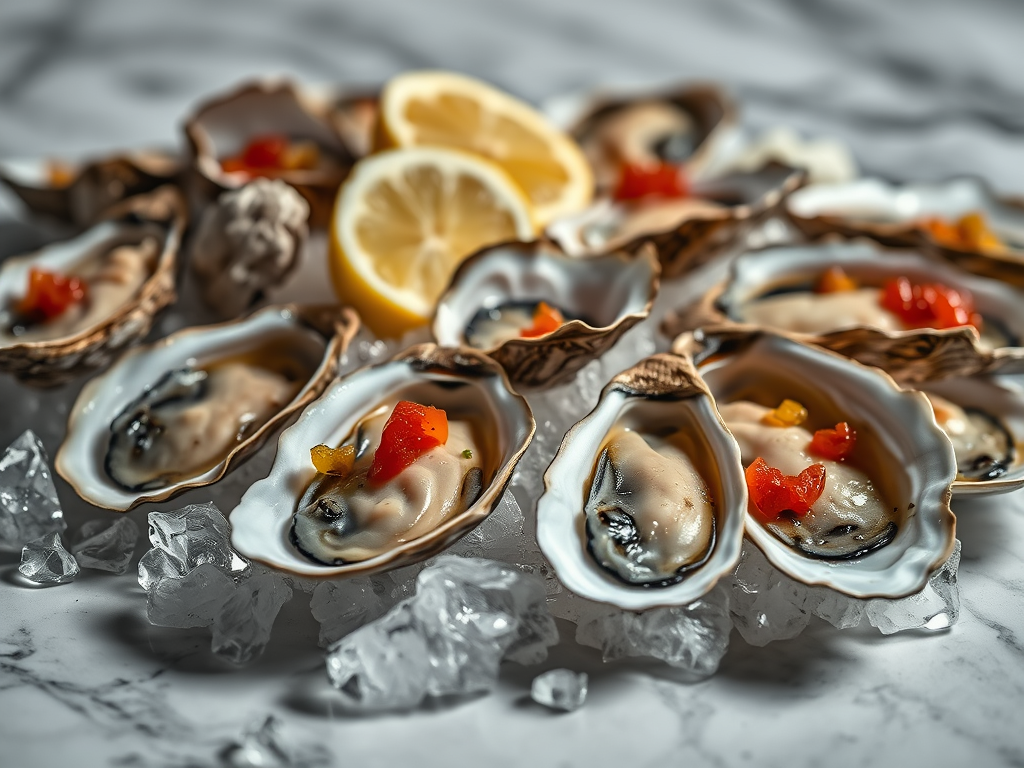
Farmed Oysters
Farmed oysters deliver consistent flavor profiles due to controlled growing conditions. Farmers strategically select locations with optimal water flow, salinity, and algae content to produce specific taste characteristics. These oysters typically offer:
- Balanced salinity levels
- Clean, crisp finish
- Consistent meat-to-shell ratio
- Year-round availability
- Uniform size and shape
Wild Oysters
Wild oysters develop more varied flavor profiles based on their natural habitat. Their taste characteristics include:
- Intense mineral notes
- Variable salinity levels
- Irregular meat content
- Seasonal availability
- Unpredictable size and texture
The “merroir” – a term describing how local marine environment affects taste – plays a crucial role in both types. However, farmed oysters benefit from carefully selected growing areas that optimize desired flavor profiles. While some argue wild oysters offer more complex flavors, blind taste tests often show no significant preference between well-maintained farmed and wild varieties.Remember: Fresh oysters of both types should display plump meat, abundant natural liquor, and a clean, briny aroma. The key difference lies not in superiority, but in consistency and availability.
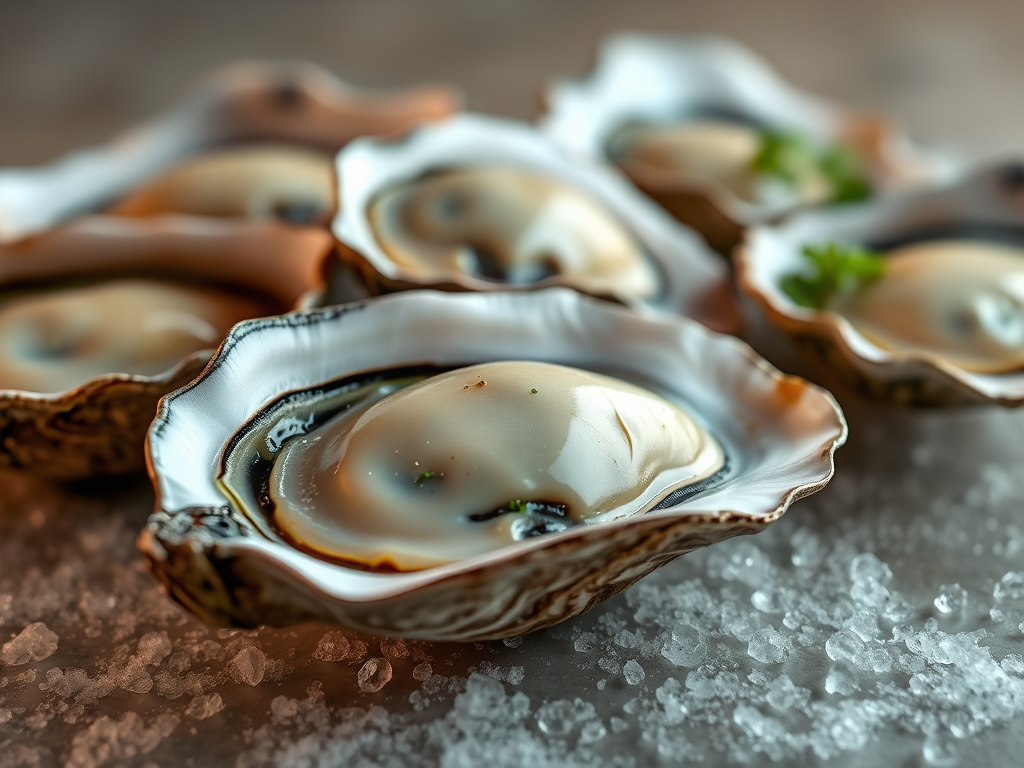
Maturation Time
Sustainability Factors

Farmed Oyster Sustainability
Modern oyster farms demonstrate remarkable environmental benefits:
- Zero methane emissions and minimal carbon footprint 4
- Each oyster filters up to 50 gallons of water daily 1 3
- Creates artificial reef structures supporting marine biodiversity 1
- Reduces pressure on wild populations 10
- Controlled harvesting before 18 months can protect local ecosystems 4
However, farmed oyster operations face challenges:
- Potential seabed disruption from equipment 6
- Risk of disease spread in dense populations 4
- Possible introduction of invasive species through spat transfer 4
- Equipment abandonment affecting tidal patterns 4
Wild Oyster Sustainability
Wild oyster populations face significant challenges:
- Population decline to 1/100th of historic levels 4
- Overfishing and habitat destruction 11
- Vulnerability to pollution and climate change 3
- Limited natural reproduction (one in million survival rate) 11

However, wild oysters provide unique benefits:
- Natural reef formation protecting coastlines 1
- Support native ecosystem biodiversity 12
- Natural carbon sequestration 10
- Self-sustaining when populations are healthy 12
Climate change poses challenges for both farmed and wild oysters, with rising water temperatures and ocean acidification threatening their survival 3. However, sustainable farming practices combined with wild oyster restoration projects offer promising solutions for maintaining healthy oyster populations12.
Availability and Production
Only one in a million wild oyster eggs reaches maturity, making them increasingly rare 1. Wild oyster populations have declined significantly, with some areas experiencing up to 100 times reduction in population over two centuries 3.
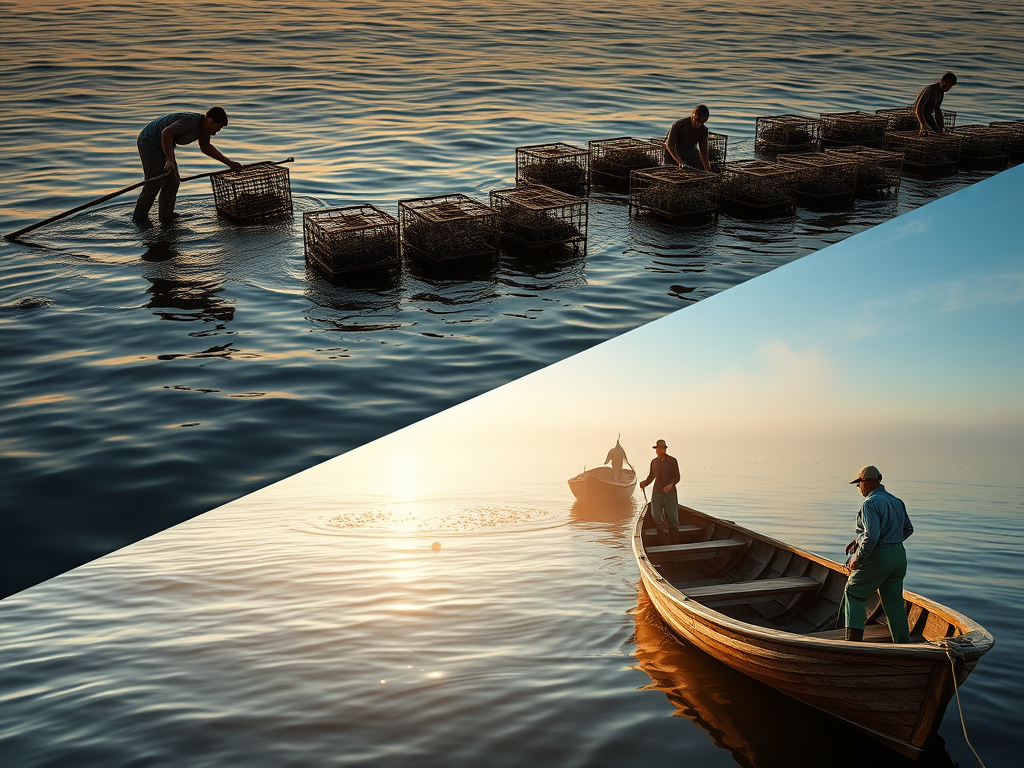
Farmed Oyster Production
Modern oyster farming dominates the market with impressive statistics:
- Represents 95% of all oysters consumed today 3
- Global market projected to hit USD 9251.5 million in 2024
- Farm operations increased from 483 to 701 between 2013-2018
- Takes only 18-24 months to reach market size 5
- Year-round availability due to sterile cultivation 5
Wild Oyster Production
Wild oyster populations face significant challenges:
- Only 1-2% of historical population levels remain in Chesapeake Bay 6
- Survival rate: one in million eggs reaches maturity 1
- Takes 3 full years to reach harvest size 5
- Seasonal availability affected by reproduction cycles 5
- Harvest declined 26% since 1990 2
Conclusion
The story of farmed versus wild oysters represents a pivotal shift in seafood production and environmental stewardship. While wild oysters once dominated our coastlines, today’s reality shows farmed oysters leading a sustainable revolution, accounting for 95% of market consumption.Farmed oysters demonstrate the rare case where aquaculture surpasses wild harvesting in both environmental benefits and production efficiency. Each oyster, whether farmed or wild, filters up to 50 gallons of water daily, making them natural champions of marine ecosystem health.

However, the wild oyster’s struggle serves as a sobering reminder of our impact on marine ecosystems. With populations reduced to mere fractions of their historical numbers, their decline tells a cautionary tale of overharvesting and environmental degradation.
Yet, hope floats in the form of modern oyster farming. As we look toward the future, sustainable aquaculture practices offer a promising solution that balances consumer demand with environmental responsibility. The oyster industry’s evolution from wild harvest to controlled cultivation represents not just a change in production methods, but a fundamental shift in how we interact with our marine resources.
The choice between farmed and wild oysters isn’t about superiority – it’s about survival, sustainability, and securing a future where these remarkable bivalves continue to thrive in our oceans.
Discover more from The Oyster Encyclopedia
Subscribe to get the latest posts sent to your email.