


Welcome to the ultimate guide on European Flat Oysters, a culinary gem that has graced the tables of seafood fans for generations. Known scientifically as Ostrea edulis, this oyster variety is a treasure trove of flavors and ecological wonders.
Whether you’re a seasoned oyster enthusiast or a curious newcomer eager to explore the world of shellfish, this comprehensive guide is your one-stop resource. We’ll take you on a journey through the fascinating life of the European Flat Oyster, exploring its unique characteristics, ecological importance, and culinary value. From its distinctive appearance to its role in sustainability, we’ll uncover the secrets that make this mollusk a true marvel of the ocean. So, grab your oyster knife, and let’s dive into the captivating world of European Flat Oysters!

Appearance
When identifying European Flat Oysters, their appearance is a dead giveaway. European Flat Oysters boast a distinctly flat shell, unlike their Pacific or Atlantic counterparts, which often have a more rounded, cup-like shape. The shell’s exterior is a rich tapestry of muddy brown, gray, and sometimes even green hues, often adorned with barnacles and seaweed that hint at its natural habitat.
The shell’s irregular shape is another fascinating feature. Each oyster’s body is uniquely contoured, resembling a rough, uneven saucer, making it a natural work of art. This irregularity is not just for show; it serves a functional purpose, allowing the oyster to blend seamlessly into its rocky surroundings, providing a form of natural camouflage.

As you open the shell, you’re greeted by an inner surface contrasting sharply with its rugged exterior. The mother-of-pearl nacre lines the inside with a smooth, lustrous finish. This pearly interior adds to the oyster’s aesthetic appeal and is the starting point for pearl formation. However, European Flat Oysters are not commonly harvested for this purpose.
In summary, the appearance of the European Flat Oyster is a blend of rugged beauty and intricate details. Its unique form and coloration make it easily distinguishable from other oyster species, adding to its allure and mystique.
Taste
If you’ve ever tasted a European Flat Oyster, you know it’s an experience unlike any other. The flavor profile of this oyster is a complex medley that dances on your palate, leaving a lasting impression long after the last bite.
As you take your first slurp, you’re immediately greeted by a briny burst that encapsulates the essence of the ocean. This initial saltiness is a nod to the oyster’s marine habitat, offering a taste as pure as the waters it calls home. But don’t be fooled; this is just the opening act in a multi-layered flavor experience.
Following the briny introduction, the oyster reveals its rich, creamy texture. This velvety smoothness coats your mouth, serving as the perfect canvas for unfolding the oyster’s nuanced flavors. You’ll detect subtle hints of sweetness, a whisper of mineral undertones, and even a nuttiness. All harmoniously blended to create a flavor profile that’s as complex as it is delightful.
What sets the European Flat Oyster apart is its lingering finish. Unlike other oyster varieties that offer a quick, clean aftertaste, the European Flat Oyster leaves you with a warm, earthy note that invites you to savor its complexity. It’s a taste that beckons you to explore further, making each oyster not just a bite but an experience.
In essence, the taste of the European Flat Oyster is a culinary journey that takes you from the depths of the ocean to the intricacies of flavor complexities, all in a single bite.
Gender
Interestingly, European Flat Oysters are protandrous hermaphrodites, meaning they start their lives as males and later transition to females. This gender-switching ability plays a crucial role in their reproductive cycle and contributes to the diversity of the population.
Distribution, Population, and Habitat of European Flat Oysters
When it comes to the European Flat Oyster, its name offers a clue to its primary range. Predominantly found along the coasts of Europe, these oysters have a storied history that stretches from the chilly waters of Norway down to the warmer seas surrounding Portugal. They also make their home in the British Isles, the North Sea, and even parts of the Mediterranean.
However, the distribution of European Flat Oysters is less widespread than it once was. Overfishing, habitat loss, and disease have led to a decline in their population, making them less common in areas where they were once abundant. This decline has sparked conservation efforts to restore their numbers and protect their natural habitats.
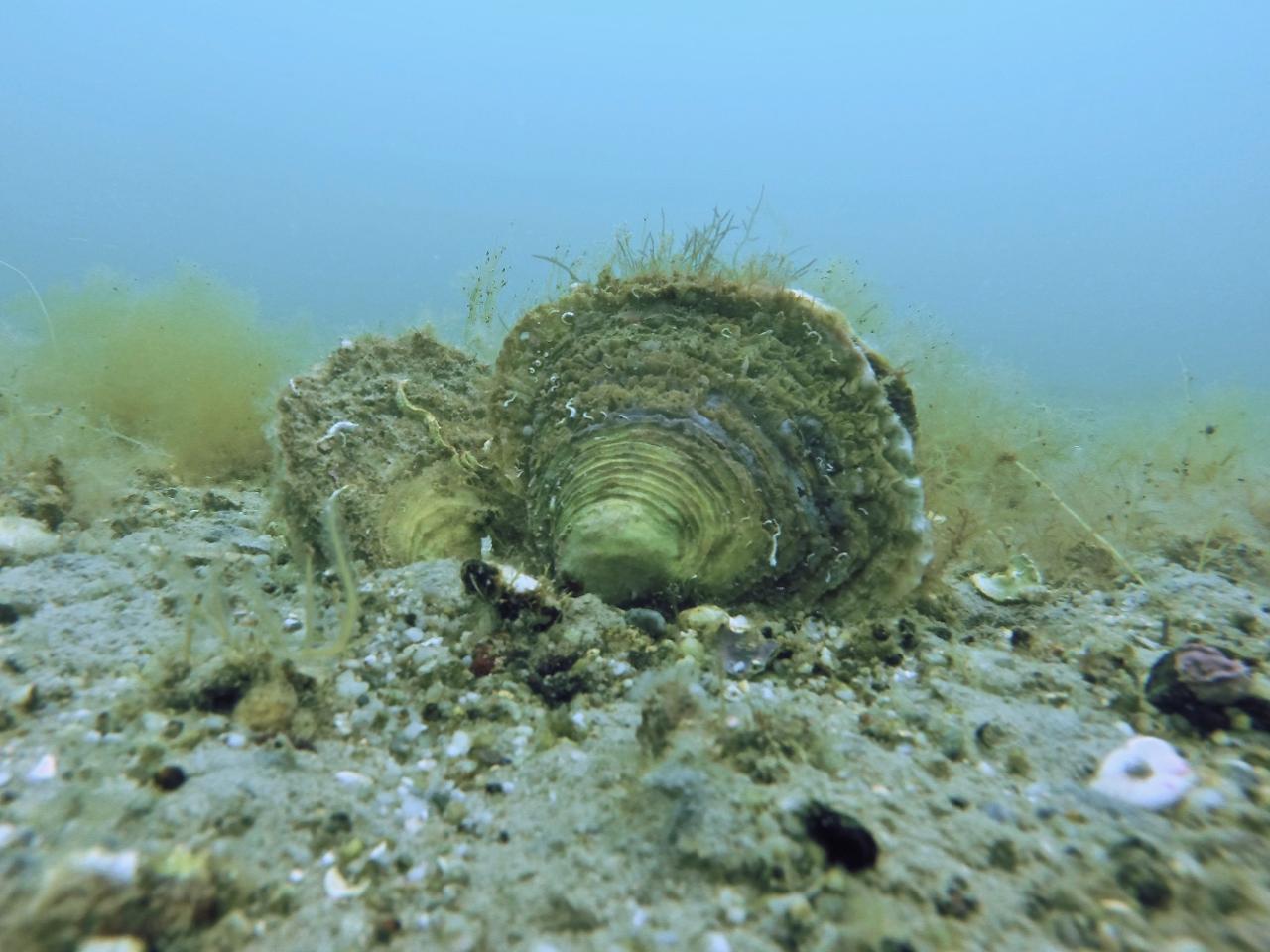
Speaking of habitat, European Flat Oysters prefer rocky substrates where they can anchor themselves securely. They thrive in intertidal zones as well as subtidal areas, often forming oyster beds that serve as vital ecosystems. These beds become biodiversity hotspots, providing shelter and food for marine life, from tiny plankton to larger fish species.
It’s worth noting that water quality plays a significant role in the health and distribution of European Flat Oysters. They flourish in clean, nutrient-rich waters and are highly sensitive to pollution. They help improve water quality, but their presence also indicates the marine environment’s overall health.
In summary, the European Flat Oyster has a diverse but declining range, making its habitat and distribution a culinary interest and ecological importance subject.
Conservation Status
The decline in the population of European Flat Oysters has not gone unnoticed. Various organizations, governments, and even local communities have taken the mantle to protect and restore this valuable marine species. Here’s how these conservation efforts are making a difference:
- Restoration Projects: One of the most impactful ways to conserve European Flat Oysters is through oyster bed restoration. These projects involve carefully placing oysters in selected areas to encourage natural reproduction and growth. Over time, these restored beds become self-sustaining ecosystems that boost oyster numbers and benefit other marine life.
Sustainability
Aquaculture provides an alternative to wild harvesting, reducing pressure on natural oyster beds. Sustainable oyster farming practices are being developed and promoted to provide a more eco-friendly option for oyster lovers.
In essence, the conservation of European Flat Oysters is a multi-faceted effort that requires the collaboration of various stakeholders. While challenges remain, these initiatives offer a beacon of hope for the future of this iconic species.
Hot Spots for European Flat Oysters
If you want to indulge in some European Flat Oysters, hot spots include the coasts of France, the United Kingdom, and Ireland. These regions offer some of the finest oysters harvested using sustainable methods.
Fun Facts
- Ancient Delicacy: European Flat Oysters have been enjoyed since Roman times. They were considered a luxury item and often served at lavish feasts.
- Taste Changers: The flavor profile of European Flat Oysters can change depending on their habitat. Oysters from different regions can have distinct tastes, from sweet to briny.
- Natural Filters: A European Flat Oyster can filter up to 50 gallons of water daily! Their filtering capabilities help improve water quality and promote a healthier marine ecosystem.
- Oyster Beds as Habitats: European Flat Oyster beds are not just for oysters. They serve as thriving ecosystems that provide shelter and food for various marine species, including fish and crustaceans.
- Pearl Producers: European Flat Oysters can produce pearls while less common than their pearl oyster counterparts. However, these pearls are usually not as round or lustrous.
- Gender Fluid: European Flat Oysters are protandrous hermaphrodites, meaning they start life as males and can later transform into females. This ability helps them adapt to environmental conditions and optimize reproduction.
- Culinary Star: European Flat Oysters are highly prized in the culinary world. They are often featured in gourmet dishes and are a staple in high-end seafood restaurants.
- Indicator Species: European Flat Oysters usually indicate a healthy marine environment. Their sensitivity to pollution makes them excellent indicators of water quality.
- Cultural Significance: In various European cultures, oysters are not just food but also symbols of fertility and prosperity.
- Conservation Champions: Due to their ecological importance, European Flat Oysters are often the focus of conservation efforts, making them a culinary delight and an environmental hero.
Conclusion
European Flat Oysters offer more than just a tasty treat; they are a species with a rich history, ecological importance, and unique characteristics. Whether you’re an oyster enthusiast or a curious foodie, understanding these fascinating mollusks enriches your dining experience.
Discover more from The Oyster Encyclopedia
Subscribe to get the latest posts sent to your email.