

Once a bustling hub of oyster harvesting, Georgia’s oyster reef is witnessing a remarkable transformation. A unique project is underway to combat climate change and restore ecological balance: rebuilding oyster reefs. This initiative, a collaboration between Georgia Southern University and the Georgia Department of Natural Resources, is more than just a conservation effort; it’s a fight against climate change using nature’s tools.
Historical Context of Georgia’s Oyster Population
Georgia’s coastline, a lush estuarine environment, has been home to a thriving oyster population for centuries. The state’s oyster industry dates back to the 19th century when oyster harvesting was primarily a local, small-scale operation. However, the turn of the 20th century marked a significant shift. Georgia emerged as a national leader in oyster harvesting, driven by both technological advancements and increasing demand.

During this period, oysters were not just a staple in the local diet but also a burgeoning commercial commodity. The oyster beds in Georgia’s inshore waters, particularly in areas like the Savannah and Altamaha river estuaries, were abundant. These beds were natural, occurring in the wild, and oysters were harvested by hand, a labor-intensive process that was as much a part of coastal Georgia’s culture as it was of its economy.
The early 1900s saw a boom in the oyster industry. Georgia’s oysters were prized for their unique flavor, a result of the state’s distinctive mix of fresh and saltwater in its estuaries. This period also saw the rise of canning technologies, which allowed for the preservation and wider distribution of oysters, further fueling the industry’s growth.
Georgia’s Oyster Bust
However, this boom led to its eventual bust. By the 1930s, Georgia’s oyster population began to show signs of severe depletion. Overharvesting was the primary culprit, compounded by a lack of effective regulation and sustainable harvesting practices. The once-abundant oyster beds started to dwindle, impacting not only the state’s economy but also its coastal ecosystems.
The decline of oysters had broader ecological implications. Oysters play a critical role in their ecosystems as filter feeders, cleaning the water and providing habitat for a variety of marine life. Their decline led to a decrease in water quality and a loss of habitat for other species, disrupting the delicate balance of Georgia’s coastal ecosystems.
In response to this decline, efforts in the latter half of the 20th century and into the 21st have focused on conservation and sustainable harvesting practices. These efforts aim not only to revive the oyster populations but also to restore the ecological balance and ensure the long-term sustainability of Georgia’s oyster industry.

The Science Behind Oyster Reefs and Climate Change
Oyster reefs are natural climate warriors. They sequester carbon in two significant ways. First, they stabilize sediments rich in organic carbon, preventing them from eroding into the ocean. Second, fortifying shorelines aid in expanding marshlands, which are excellent at trapping and storing carbon. This dual action makes oyster reefs a potent tool in the fight against climate change.
Georgia Southern University’s involvement brings a scientific rigor to this project. By tracking changes in the shoreline and measuring carbon storage, they are quantifying the impact of these reefs. This data is crucial in understanding how effective oyster reefs can be in our broader climate mitigation strategies.
The Process of Georgia’s Oyster Reef Restoration
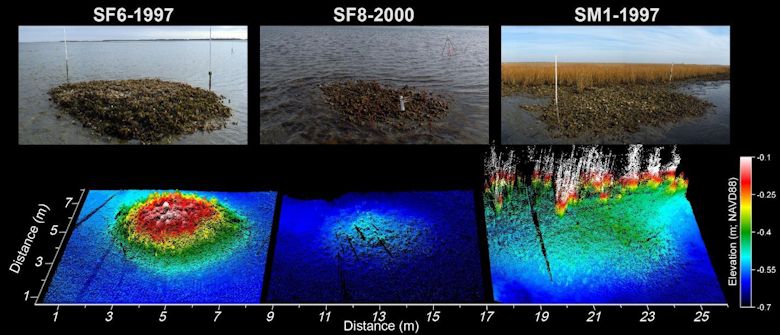
The restoration process is a meticulous one. It involves placing pallets laden with oyster shells along the riverbanks. These shells provide a hard surface for baby oysters to attach and grow, forming a natural reef. This method revives the oyster population and reinstates their role in the ecosystem.
The project, funded by Yamaha’s environmental arm, reflects a growing corporate responsibility trend in environmental initiatives. Yamaha’s involvement underscores the importance of private sector participation in ecological restoration, especially in areas where business activities intersect with environmental concerns.
Economic and Ecological Benefits
The revival of oyster reefs is not just an environmental victory; it’s an economic one, too. A healthy oyster population boosts the local seafood industry, providing jobs and supporting local economies. Ecologically, these reefs are biodiversity hotspots. They provide habitat for various marine species, contributing to the overall health of our oceans.

Challenges and Future Directions For Georgia’s Oyster Reef
Despite the clear benefits, challenges remain. Material availability for reef construction and ensuring minimal impact on other water body users are ongoing concerns. Additionally, there’s a need for continuous monitoring to assess the long-term impact of these reefs on carbon sequestration and shoreline stability. Here are some of the larger hurdles for the project.
- Material Sourcing and Sustainability
- Difficulty in sourcing enough oyster shells due to population decline.
- Exploring alternative materials like concrete or limestone, considering environmental impacts and costs.
- Ensuring a sustainable supply of materials for long-term project success.
- Balancing Ecological and Human Interests
- Navigating conflicts between ecological goals and stakeholder interests (fishermen, recreational users, coastal communities).
- Importance of engaging with local communities to balance environmental benefits with human activities.
- Environmental and Climatic Factors
- Water quality, temperature, and salinity affecting oyster growth and reef development.
- Challenges posed by pollution, changes in freshwater inflow, ocean acidification, and rising sea levels.
- Need for continuous monitoring and adaptive management strategies.
- Funding and Long-Term Support
- Securing consistent and long-term funding for maintenance and monitoring.
- Importance of tracking reef health and ecological impact over time.
- Exploring funding sources like public-private partnerships or environmental grants.
- Scientific and Technical Challenges
- Evolving science and technical aspects of oyster reef restoration.
- Determining optimal design, placement, and construction of artificial reefs.
- Keeping up with scientific developments for effective restoration practices.

Looking forward, the success of this project could pave the way for similar initiatives along the U.S. coastline and beyond. It’s a model demonstrating how ecological restoration can be a crucial player in our fight against climate change.
Key Take Aways
The oyster reef restoration project along the Georgia coast is more than just an environmental endeavor; it’s a beacon of hope. It shows how we can combat climate change and restore ecological balance by turning to nature’s mechanisms. As this project progresses, it stands as a testament to the power of collaborative efforts in significantly impacting our planet’s health.
Discover more from The Oyster Encyclopedia
Subscribe to get the latest posts sent to your email.