

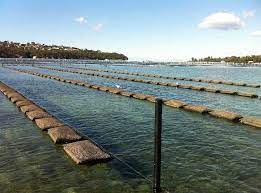
As consumers become more environmentally conscious, the demand for sustainably sourced food options continues to rise. Oysters, a beloved delicacy, are no exception. Oyster farmers are responding to this demand by implementing sustainable farming practices that produce healthier, more eco-friendly oysters. In this article, we’ll explore the growing demand for sustainable oysters and how oyster farmers are meeting it through eco-friendly farming techniques.
What are Sustainable Oysters?
Sustainable oysters are oysters that are farmed and harvested using eco-friendly and socially responsible practices that promote the health of the oysters and the environment. Sustainable oyster farming can involve several practices, such as using biodegradable materials for oyster bags and cages, rotating oyster beds to prevent overfishing, and monitoring water quality to ensure that the oysters are not exposed to harmful toxins.
They tend to be cleaner and less prone to disease, which means they are healthier for consumers to eat. Sustainable farming practices can also improve the taste of the oysters, as they are grown in nutrient-rich waters that promote their growth. In addition, sustainable oyster farming is more eco-friendly, as it reduces the carbon footprint of oyster farming by using less energy and producing less waste. For example, some oyster farmers are using solar-powered oyster cages and composting oyster shells to reduce waste.
The Benefits of Sustainable Oyster Farming
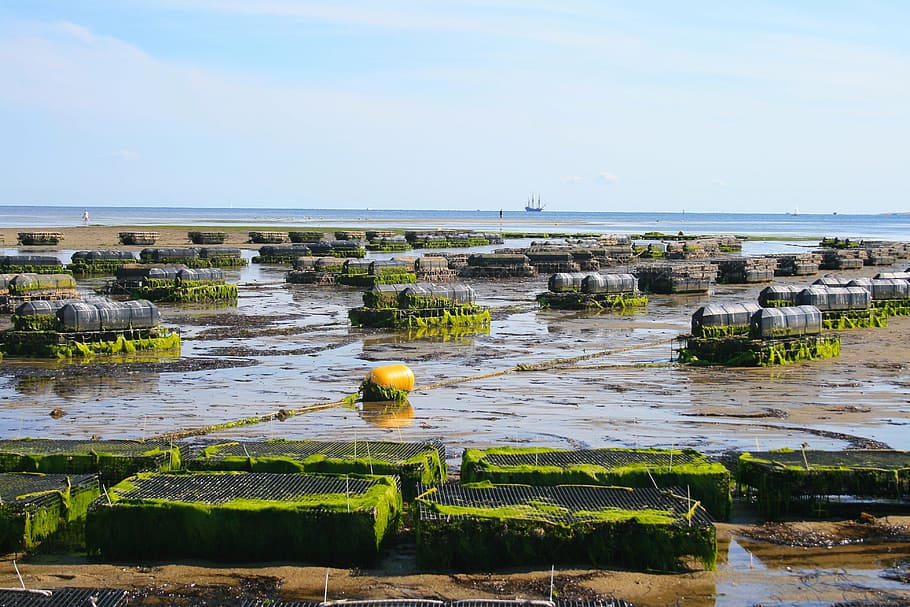
One of the main benefits is that it produces healthier oysters. Oysters that are farmed sustainably tend to be cleaner and less prone to disease, which means that they are healthier for consumers to eat. Sustainable farming practices can also improve the taste of the oysters, as they are grown in nutrient-rich waters that promote their growth.
In addition to producing healthier oysters, sustainable oyster farming is also more eco-friendly. Oyster farmers who use sustainable farming practices are able to reduce their carbon footprint by using less energy and producing less waste. For example, some oyster farmers are using solar-powered oyster cages and composting oyster shells to reduce waste.
Meeting the Rising Demand
As consumers become more aware of the benefits of sustainable oysters, they are demanding that restaurants and grocery stores provide them with sustainably sourced options. This demand is driving a shift in the oyster industry, as more and more oyster farmers are adopting sustainable farming practices to meet consumer demand.
One example of this shift can be seen in the oyster farming industry in New South Wales, Australia. In 2018, the New South Wales Government launched the Sustainable Oyster Aquaculture Program, which provided funding for oyster farmers to implement sustainable farming practices. The program has been successful in promoting sustainable oyster farming, and many oyster farmers in New South Wales are now producing sustainable oysters that are sold to restaurants and grocery stores across the country.
Similarly, oyster farmers in the United States are also responding to the growing demand. In Maine, oyster farmers are using sustainable farming practices to produce oysters that are sold to high-end restaurants and grocery stores. These oysters are grown in clean, nutrient-rich waters that promote their growth, and the farmers use biodegradable materials for their oyster cages to reduce waste.
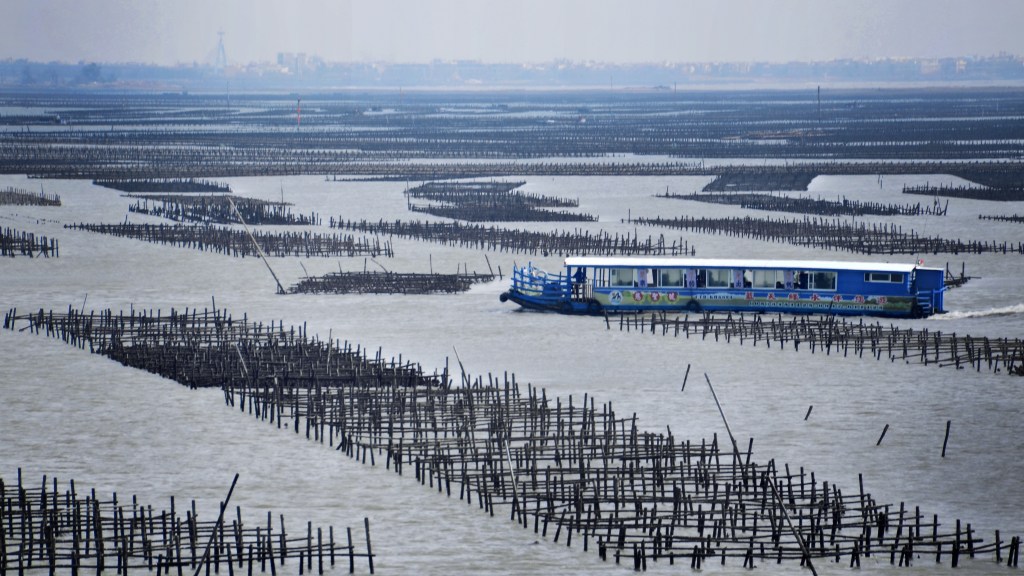
The demand is not limited to consumers in developed countries. In developing countries, oyster farmers are also adopting sustainable farming practices to produce healthier, more eco-friendly oysters. In taiwan, for example, oyster farmers are using sustainable farming practices to produce oysters that are sold in local markets. These oysters are grown in clean waters and are free from harmful toxins, making them a healthier option for consumers.
The Future of Sustainable Oysters
As more consumers become aware of the benefits, we can expect to see even more oyster farmers adopting sustainable farming practices in the future. Sustainable oyster farming not only benefits consumers and the environment, but it also benefits oyster farmers by providing them with a more stable and profitable business model. By adopting sustainable farming practices, oyster farmers can meet the growing demand for sustainable seafood.
Check out more of the latest news and updates!
- How to Shuck Oysters Safely (Without Turning It Into a Band-Aid Hobby)
- Best Cut-Resistant Gloves for Oyster Shucking (Chef-Tested Safety Picks)

- Are Oysters Good for You? A Complete, Evidence-Based Guide
- The Definitive Best Oyster Knives of 2026
- The Raw Bar Bible — Oyster Knives, Technique, Safety, and Chef-Level Mastery




Discover more from The Oyster Encyclopedia
Subscribe to get the latest posts sent to your email.