


Maryland has made history with a groundbreaking sustainable oyster planting initiative, setting new records in its efforts to restore the Chesapeake Bay’s iconic oyster population. This ambitious project is not just a victory for environmentalists but a beacon of hope for the state’s economy, biodiversity, and marine health.
A New Record for Oyster Restoration
In the summer of 2023, Maryland achieved a monumental goal, planting over 2 billion oysters across the Chesapeake Bay. This unprecedented effort is the largest oyster restoration project in the nation’s history. Spearheaded by the Maryland Department of Natural Resources (DNR) in collaboration with the Oyster Recovery Partnership (ORP) and other key stakeholders, the initiative is part of a long-term plan to revitalize the Bay’s declining oyster population.
The oyster planting milestone represents decades of hard work and scientific planning, aiming to improve the health of the Bay, which has been struggling with pollution, overfishing, and habitat degradation for years. The goal is to restore critical oyster reefs, which play an essential role in maintaining a balanced marine ecosystem.
Why Are Oysters So Important?
Oysters are often called the “ecosystem engineers” of the Chesapeake Bay. One adult oyster can filter up to 50 gallons of water a day, removing excess nitrogen, phosphorus, and other harmful pollutants that degrade water quality. By creating dense reefs, oysters also provide habitats for fish, crabs, and other marine life, fostering biodiversity in the region.
In addition to their environmental benefits, oysters have significant economic importance. They support Maryland’s fishing industry and contribute to tourism and local cuisine. Oyster reefs also protect shorelines by reducing the impact of erosion and wave energy, helping to safeguard coastal communities from storm damage.
The Sustainable Oyster Planting Process: How Maryland is Planting Oysters
The process behind Maryland’s record-breaking oyster planting initiative is both intricate and innovative. It involves a combination of traditional methods and cutting-edge technology to ensure that oysters are planted efficiently and in environments where they can thrive. Every step, from breeding oyster larvae to placing them on the reefs, has been meticulously planned and executed to maximize success and sustainability.
Oyster Hatcheries: The First Step
The journey of Maryland’s oyster restoration begins at oyster hatcheries. These facilities are essential to the project’s success, serving as the birthplace for billions of oyster larvae. At the hatcheries, scientists and marine biologists carefully manage the reproductive process. Adult oysters, known as broodstock, are kept in controlled environments where they spawn millions of tiny larvae. These larvae are crucial for the next generation of oyster reefs.
To encourage spawning, the hatchery staff simulate the natural conditions of the Chesapeake Bay, adjusting water temperature and salinity levels. Once the larvae are produced, they are placed in tanks filled with crushed oyster shells or other materials that the larvae attach to, forming what’s called “spat.” Spat is essentially baby oysters that will grow and eventually help build the reefs in the Bay.
Precision Planting: Mapping and Placement
Once the spat reaches a certain size, they are ready to be planted in the Bay. However, it’s not as simple as scattering oysters randomly. For successful restoration during sustainable oyster planting, the oysters need to be planted in areas where they can grow efficiently, filter the most water, and help regenerate reefs.

To achieve this, the Maryland Department of Natural Resources (DNR), along with partners like the Oyster Recovery Partnership (ORP), uses advanced technology to map out the best locations for oyster planting. Drones, GPS mapping systems, and sonar imaging are deployed to study the underwater topography and determine optimal planting sites. These tools help scientists identify places where water quality, depth, and temperature are ideal for oyster growth, as well as locations where the reefs will be protected from human activities like boating and fishing.
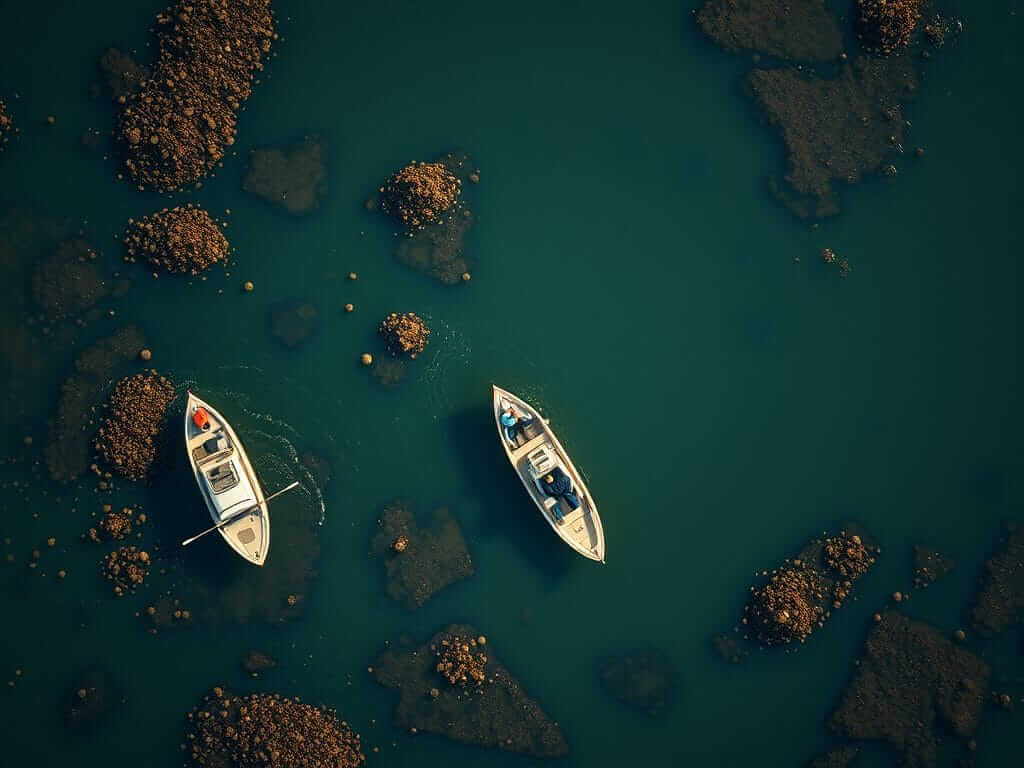
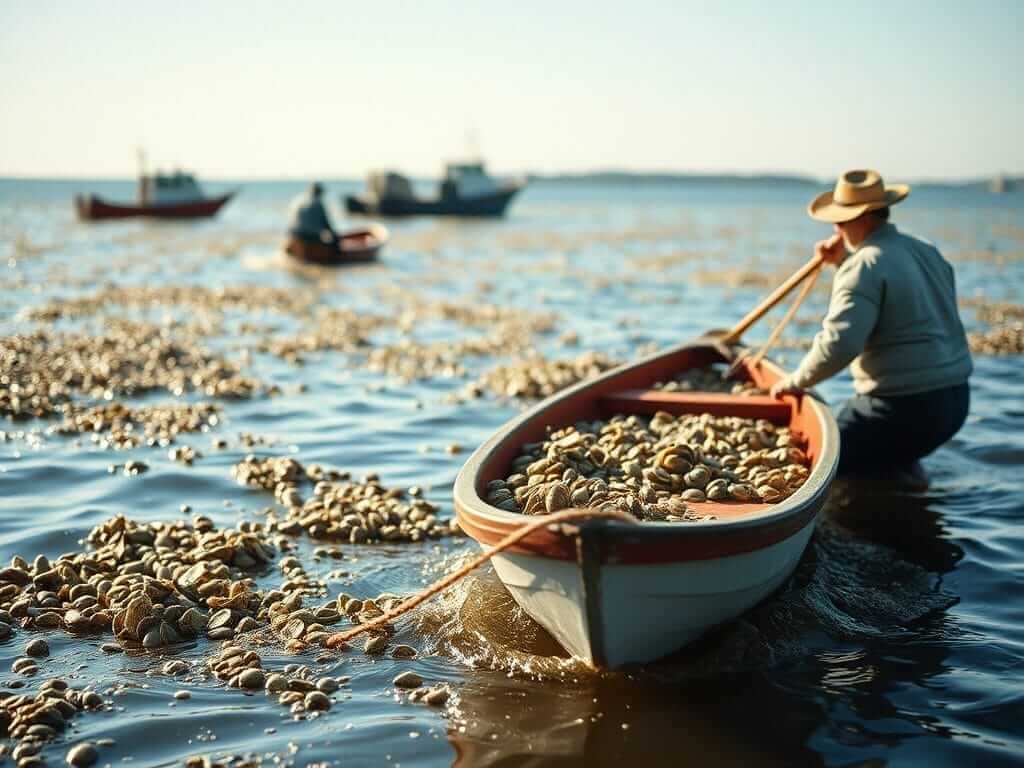
With this data in hand, the oysters are transported to the designated reefs. Boats, equipped with specialized equipment, release the young oysters onto these carefully selected areas. This process is often referred to as “seeding” the reefs. Planting crews work from the surface, ensuring that the oysters are evenly distributed across the reef beds. It’s a labor-intensive but highly coordinated effort, with some areas receiving millions of oysters in a single planting session.
Technology Meets Tradition: Monitoring and Adjustments
The use of technology doesn’t stop at planting. Once the oysters are in place, they are continuously monitored to ensure their survival and growth. Scientists use underwater cameras, sensors, and data collection systems to track the progress of the planted reefs. They observe how well the oysters are adapting to their new environment, measure water quality, and assess the overall health of the reef.
In areas where oysters are struggling, adjustments can be made. For example, if the water conditions aren’t favorable or predators are threatening the oysters, restoration teams may relocate the oysters or reinforce the reefs to protect them. This adaptive management approach ensures that every oyster planted has the best chance to thrive and contribute to the larger ecosystem.
Challenges in Oyster Placement
While Maryland’s oyster restoration program has seen great success, the process is not without challenges. One of the primary obstacles is ensuring the right balance of environmental conditions. Oysters are highly sensitive to changes in water temperature, salinity, and pollution levels. Sudden shifts in these factors can threaten an entire reef, making careful monitoring crucial.
Additionally, there is the issue of disease. Oyster populations have historically been devastated by diseases such as Dermo and MSX—two parasites that have wiped out millions of oysters in past decades. To combat this, scientists are working on breeding disease-resistant oysters that can withstand these pathogens, ensuring the longevity of the planted reefs.
Overharvesting is another concern. In the past, Maryland’s oyster populations were decimated by unsustainable harvesting practices. Today, strict regulations are in place to prevent this from happening again. Oyster sanctuaries have been established where harvesting is prohibited, allowing oysters to grow and reproduce without the threat of human interference. Enforcement of these protections is critical to the success of the restoration efforts.
The Role of Shell Recycling
An often-overlooked but critical part of Maryland’s sustainable oyster planting process is shell recycling. Oyster shells serve as the foundation for new reefs, providing the hard surfaces that oyster larvae need to attach themselves to. Without these shells, the larvae would have nowhere to settle and grow.
Maryland’s shell recycling program encourages restaurants, seafood processors, and local residents to donate their used oyster shells rather than discard them. These shells are collected, cleaned, and then returned to the Bay to form the base of new reefs. This not only reduces waste but also ensures that the restoration project has a steady supply of material for future plantings. The Oyster Recovery Partnership (ORP) plays a significant role in managing this program, collecting millions of shells each year.
Community Involvement in the Sustainable Oyster Planting Process
Maryland’s oyster restoration efforts also rely on the active participation of local communities. Volunteers are often recruited to help with various aspects of the process, from preparing oyster spat for planting to physically helping to seed the reefs. This hands-on involvement not only aids in the restoration efforts but also raises public awareness about the importance of oysters to the Chesapeake Bay’s health.
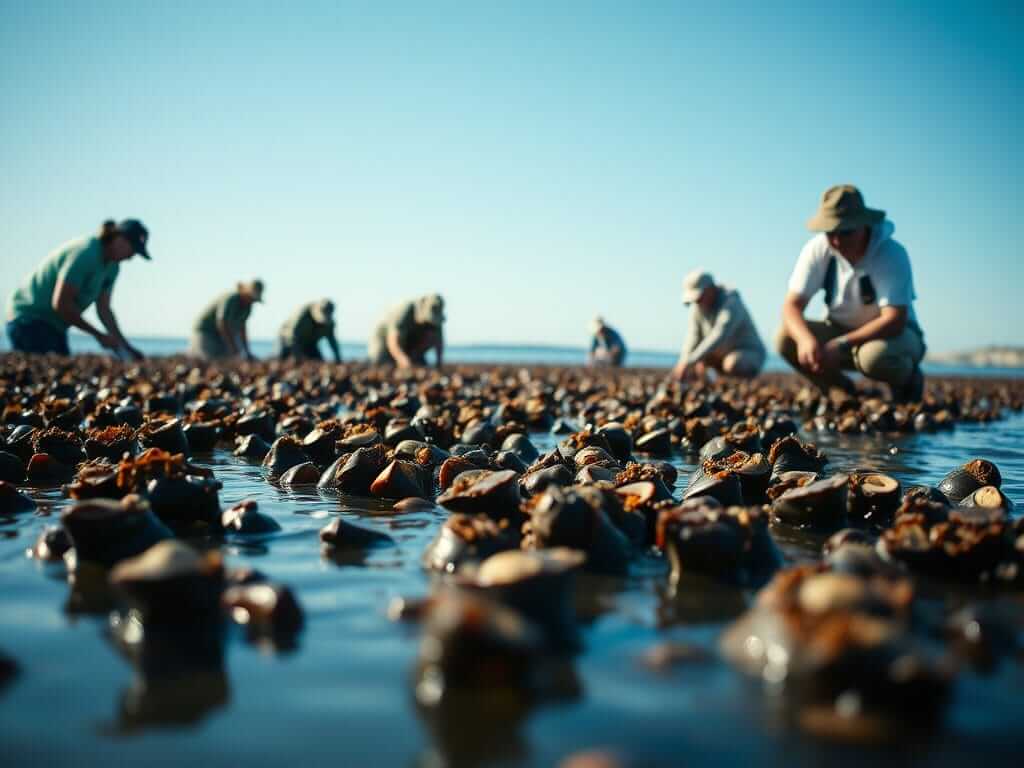
Educational programs, such as “oyster gardening,” allow citizens to grow oysters in cages along docks and piers. Once the oysters reach a certain size, they are relocated to the protected reefs. These programs foster a sense of environmental stewardship and encourage long-term support for oyster restoration.
A Scalable and Sustainable Approach
Maryland’s oyster planting combines traditional farming, advanced technology, and community involvement. This creates a scalable and sustainable model for restoring the Chesapeake Bay. Each successful planting brings the state closer to a self-sustaining oyster population. These oysters filter water, enhance biodiversity, and support local economies.
Through its record-breaking efforts, Maryland leads in marine conservation. It sets an example for other regions facing similar environmental challenges. The process highlights the importance of science, innovation, and collaboration. Together, these elements are key to restoring and sustaining natural ecosystems.
Overcoming Challenges: Climate Change and Habitat Loss
While the recent planting is a step forward, Maryland’s oyster restoration efforts face significant challenges. Climate change, particularly rising water temperatures and sea level rise, poses a direct threat to oyster populations. Warmer waters can lead to disease outbreaks among oysters, which decimated populations in the past.
Habitat loss, largely due to human activities like dredging and shoreline development, also complicates sustainable oyster planting. The delicate balance of the Bay’s ecosystem is critical, and each planted oyster reef must be carefully managed to prevent overharvesting and further damage to these vital habitats.
Partnerships Driving Success
The success of Maryland’s record oyster planting is the result of collaboration between various public and private organizations. Alongside the DNR and ORP, non-profits, community volunteers, watermen, and researchers have all played a role in this monumental effort. This collective action demonstrates the power of partnerships in tackling environmental issues at a large scale.
Federal support has also been crucial, with agencies like the National Oceanic and Atmospheric Administration (NOAA) providing funding and scientific expertise. The Chesapeake Bay Program, a regional partnership that includes Maryland, has long championed oyster restoration as a priority, and its continued support has been instrumental.
The Future of Sustainable Oyster Planting in Maryland
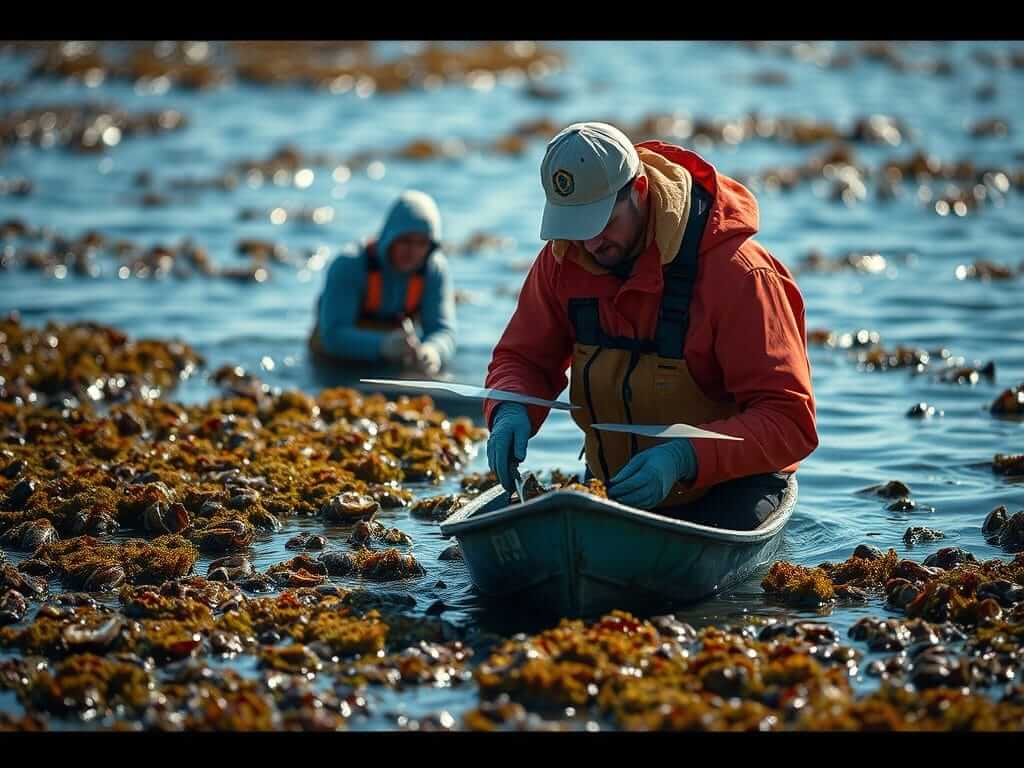
As Maryland celebrates this record-setting sustainable oyster planting, the future of the Bay’s health looks promising. However, this is only the beginning. The state plans to continue its oyster restoration projects, with the long-term goal of rebuilding a self-sustaining oyster population that can thrive without human intervention.
Scientists are also looking at ways to enhance the resilience of oyster populations against future environmental changes. Genetic research, selective breeding for disease resistance, and creating new reef structures are all part of the next phase in oyster restoration.
Community Involvement: How You Can Help
Marylanders have an essential role in sustaining the success of oyster restoration efforts. Whether by volunteering in planting initiatives, supporting sustainable seafood practices, or advocating for stronger environmental protections, local communities can help ensure the continued revitalization of the Chesapeake Bay.
Several organizations, including the Oyster Recovery Partnership, offer volunteer opportunities for those interested in hands-on participation. Educational programs also encourage younger generations to get involved, fostering a sense of stewardship for the Bay’s future.
A Beacon of Hope for Global Restoration Efforts
Maryland’s oyster planting sets an example for regions facing environmental challenges. Oyster populations decline due to pollution, overfishing, and climate change. Maryland’s success offers hope for coastal areas struggling with marine ecosystem degradation.
The Chesapeake Bay is often seen as a microcosm of broader environmental issues. Its lengthy recovery could serve as a model for restoration efforts globally. If Maryland can restore its oyster population and improve the Bay’s health, it provides a template that can be replicated in other watersheds around the world.
A Path Forward for the Chesapeake Bay
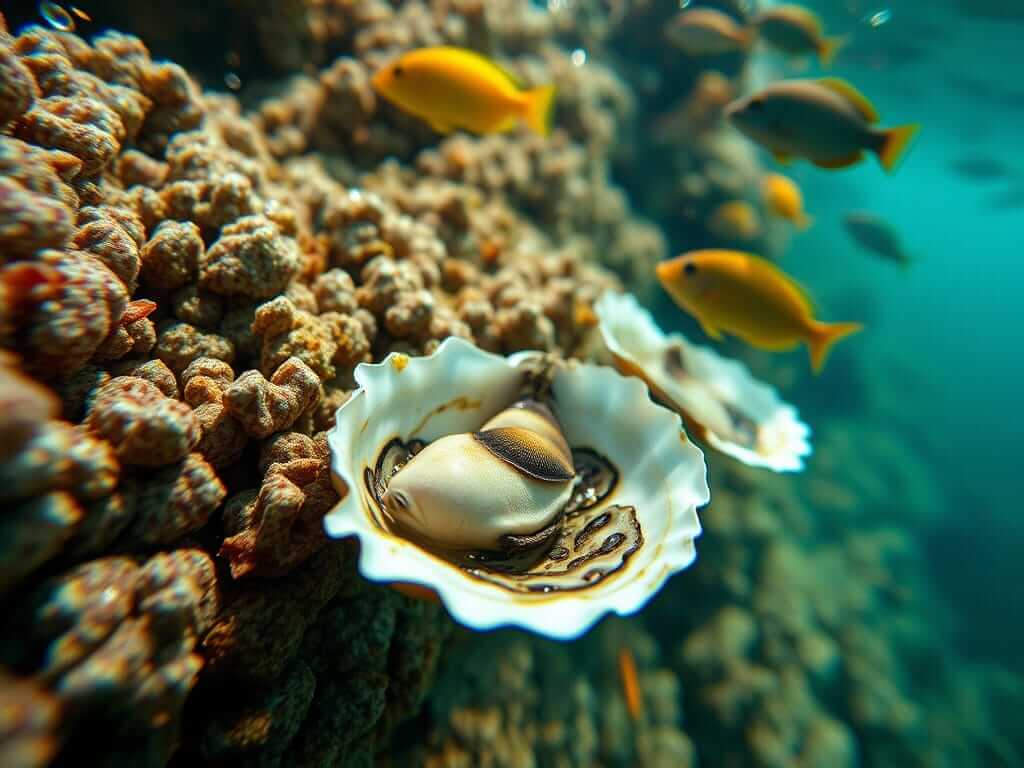
Maryland’s sustainable oyster planting is more than just a restoration project—it’s a lifeline for the Chesapeake Bay. With each oyster planted, the state moves closer to its goal of a cleaner, healthier, and more resilient ecosystem. This effort represents the triumph of science, community, and commitment to restoring one of America’s most vital natural resources.
As this initiative continues, Maryland’s leadership in environmental restoration becomes a beacon to heal our oceans and coastal ecosystems.
Discover more from The Oyster Encyclopedia
Subscribe to get the latest posts sent to your email.