

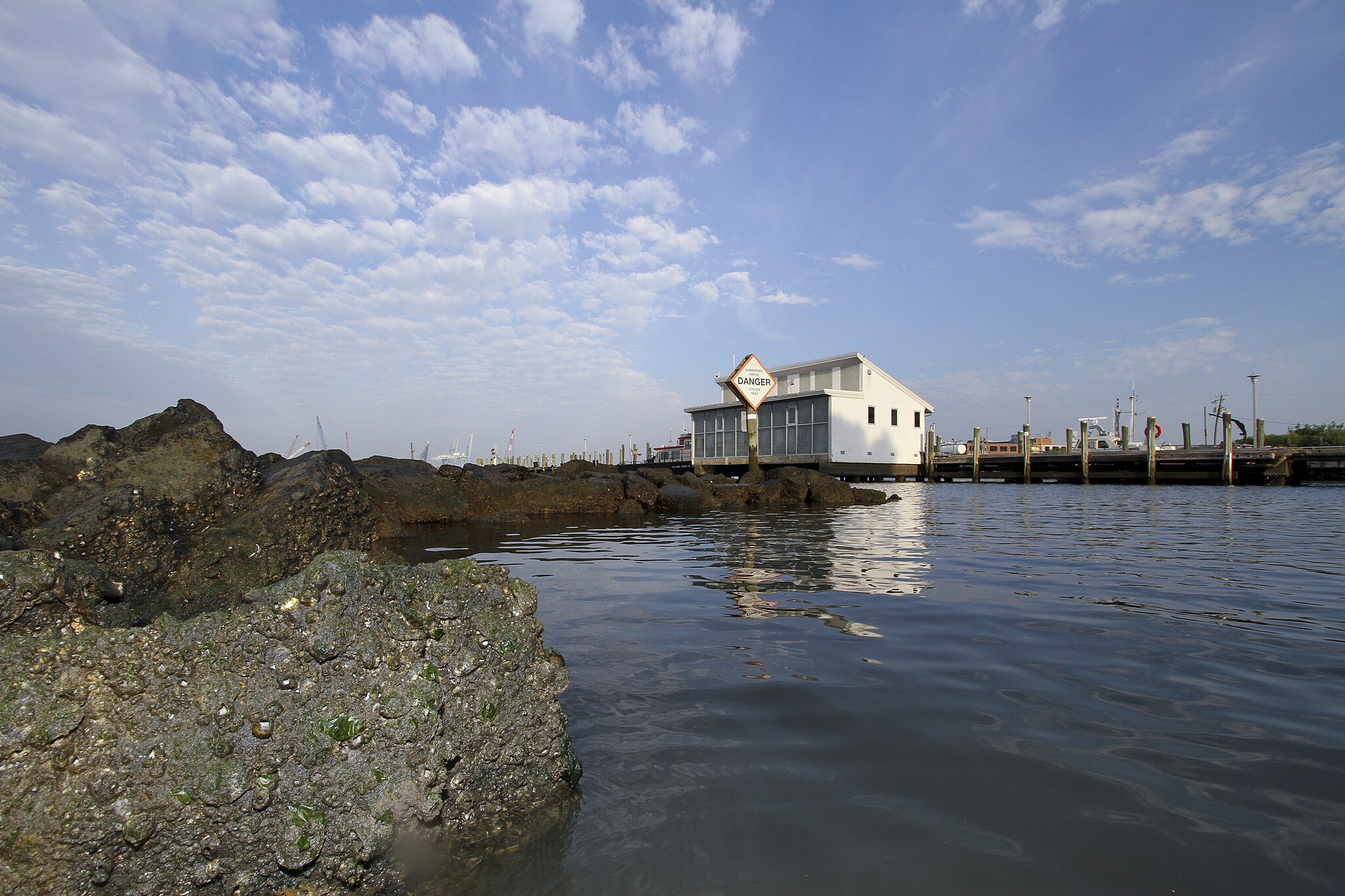
The Sussex Conservation District has launched a new cost-sharing program aimed at increasing oyster aquaculture in Sussex County. The program is designed to provide an incentive payment per harvested oyster to fund nutrient reductions in the Inland Bays watershed. The goal of the program is to take advantage of the fact that one oyster can filter up to 50 gallons of water per day, making them valuable in removing nutrients such as nitrogen from the watershed. There are nearly 300 acres available to lease in the watershed, creating the possibility of removing more than 70,000 pounds of nitrogen, according to the Sussex Conservation District (SCD).
The Sussex County Cost-Share Program for oyster aquaculture is part of a larger effort to restore marine ecosystems through oyster farming and aquaculture. The Nature Conservancy and Pew Charitable Trusts have partnered with oyster farmers to restore marine ecosystems through the Supporting Oyster Aquaculture and Restoration (SOAR) program. The SOAR program aims to advance resilient aquaculture and ocean health, and to restore oyster reefs that have been lost to overharvesting, pollution, disease, and climate change. Oysters are environmental powerhouses, improving water quality, providing wildlife habitat, and protecting against erosion. The SOAR program has the potential to be scaled in the U.S. and around the world.
In addition to the Sussex County Cost-Share Program, there are other efforts to promote oyster aquaculture in the U.S. The Chesapeake Bay Foundation has been working to cultivate native oysters in the Chesapeake Bay through shellfish aquaculture. Oyster aquaculture is a growing industry in the United States, and farmed Eastern oysters are a sustainable seafood choice, according to NOAA Fisheries.
How can Oyster Aquaculture Help to Reduce Nitrogen in the Watershed?
Oyster aquaculture can help to reduce nitrogen in the watershed in several ways, according to recent research. Here are some of the key findings:
- Oysters filter algae from the water, which removes nutrients such as nitrogen
- Oysters remove nitrogen directly through assimilation into biomass and indirectly through burial and enhanced denitrification.
- Oysters can take up nitrogen in both their shells and tissues as they grow, a process known as “bioextraction”.
- Oyster aquaculture can enhance microbial nitrogen removal from coastal ecosystems.
- Oysters may play a role in removing nitrogen and improving water quality in estuaries and bays.
- Aquaculture may help remove excess nitrogen from the bay through denitrification.
Overall, oyster aquaculture has the potential to be a valuable tool for removing nitrogen from coastal estuaries and bays, and for improving water quality. By filtering algae from the water and taking up nitrogen in their shells and tissues, oysters can help to reduce the amount of nitrogen in the watershed.

Sussex County Eligibility requirements
The Sussex County Cost-Share Program for oyster aquaculture is a new initiative that aims at increasing oyster aquaculture in Sussex County. The program provides an incentive payment per harvested oyster to fund nutrient reductions in the Inland Bays watershed. The goal of the program is to remove nutrients such as nitrogen from the watershed by taking advantage of the fact that one oyster can filter up to 50 gallons of water per day. The program is open to eligible applicants who meet the following requirements:
- Applicants must be located in Sussex County.
- Applicants must have a valid lease for oyster aquaculture in the Inland Bays watershed.
- Applicants must have a valid Delaware shellfish aquaculture permit.
- Applicants must have a valid Delaware business license.
- Applicants must have a valid Delaware tax ID number.
- Applicants must comply with all applicable state and federal laws and regulations.
Those who wish to apply for the cost-share program can submit their applications year-round. The program is part of a larger effort to restore marine ecosystems through oyster farming and aquaculture. The Nature Conservancy and Pew Charitable Trusts have partnered with oyster farmers to restore marine ecosystems through the Supporting Oyster Aquaculture and Restoration (SOAR) program.
How to apply
Those who wish to apply for the cost-share program can submit their applications year-round. Here are the steps to apply for the program:
- To ensure that you meet the eligibility requirements for the program. This includes being located in Sussex County and having a valid lease for oyster aquaculture in the Inland Bays watershed. You need a valid Delaware shellfish aquaculture permit. You also need a valid Delaware business license with a valid Delaware tax ID number. Lastly, complying with all applicable state and federal laws and regulations.
- Download and complete the Sussex County Cost-Share Program application form from the Sussex Conservation District website.
- Submit the completed application form to the Sussex Conservation District by email, mail, or in person.
- Await approval of your application.
- Once approved, begin harvesting oysters and submitting quarterly reports to the Sussex Conservation District to receive incentive payments.
Why We Need to Clean Up Our Oceans
The ocean is a vital part of our planet, and it is essential to keep it clean and healthy. Here are some reasons why it is important for us to start cleaning our oceans:
- The ocean is the Earth’s life support system, and it regulates our climate and provides the air we breathe.
- The ocean feeds us, and it is a source of livelihood for many people.
- The ocean is essential for transportation of goods around the world and for tourism.
- The ocean is home to a diverse range of marine wildlife, and keeping our marine ecosystems clean from debris and pollution is critical for their survival.
- The ocean is a tool for scientific research, and it provides us with many unique activities such as fishing, boating, kayaking, and whale watching.
- Cleaning up our local beaches helps protect marine habitats and wildlife, while fostering a deeper appreciation for these beautiful natural spaces we all share.
- Beach clean-ups are vital to mitigate the problem caused by ocean debris and the danger that plastic pollution poses to marine life.
- If we stop plastic from entering the ocean, most of the ocean cleans itself. However, this does not apply to the ocean garbage patches, and we need to clean them up.
In conclusion, cleaning our oceans is crucial for the health of our planet and all life on Earth. It is essential to take action to protect and preserve our oceans and their ecosystems from all types of pollution.
Discover more from The Oyster Encyclopedia
Subscribe to get the latest posts sent to your email.