

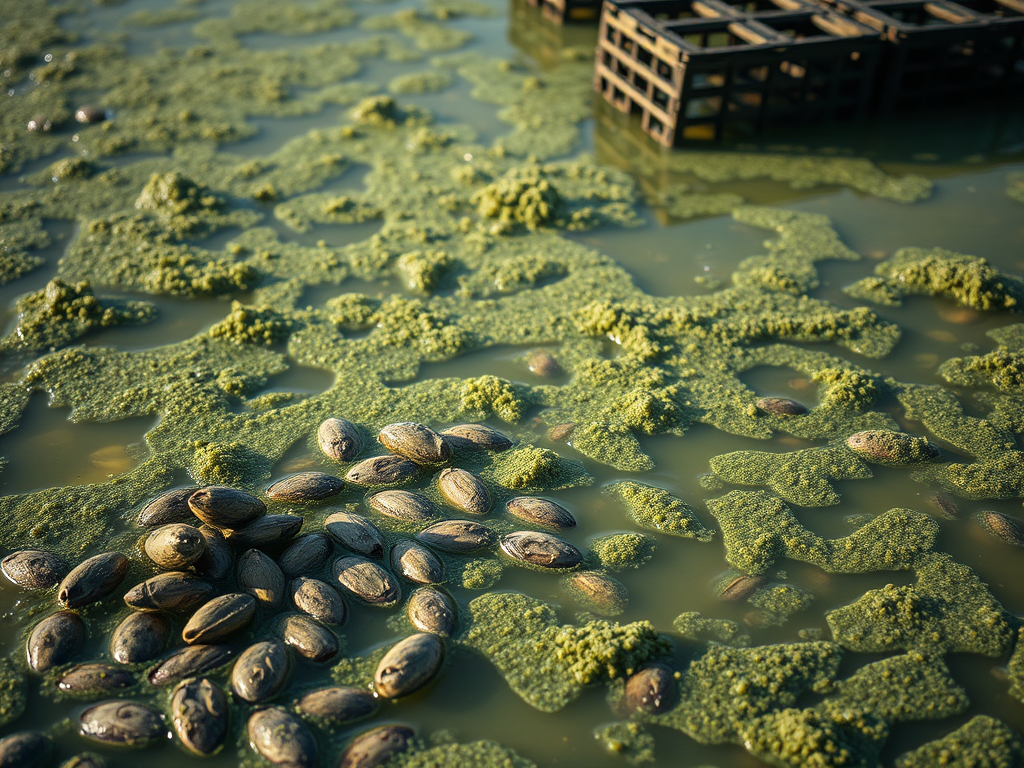
A Deadly Bloom Endangers Millions of Oysters and Shakes The South Australian Oyster Industry
Quick Facts
- Toxic algae shuts down South Australia’s top oyster farms
Farms in Stansbury, Port Vincent, and Kangaroo Island halt operations due to a massive algal bloom. - Over 10 million oysters quarantined
Farmers brace for catastrophic losses as the suspected Karenia mikimotoi bloom decimates stock. - Stansbury and Kangaroo Island hardest hit
Waters around Yorke Peninsula and Eyre Peninsula are under close monitoring. - Flavor profile of impacted oysters
Normally clean, briny, and sweet—current conditions could threaten this balance long-term. - Economic toll could exceed $100 million
South Australia’s oyster industry faces its greatest crisis in over a decade.
What’s Happening to South Australia’s Oysters?
In May 2025, South Australia’s premium oyster regions—Stansbury, Port Vincent, and Kangaroo Island—were paralyzed by a sudden bloom of suspected Karenia mikimotoi. This toxic algae can suffocate marine life by depleting oxygen and releasing toxins. Authorities have quarantined over 10 million oysters, with industry insiders fearing irreversible losses.
![First record of red tide due to the harmful dinoflagellate Karenia mikimotoi in Hakodate Bay, southern Hokkaido, in autumn 2015 - Scientific Figure on ResearchGate. Available from: https://www.researchgate.net/figure/Microphotograph-showing-the-swimming-cells-of-Karenia-mikimotoi-collected-at-Moheji_fig1_308573929 [accessed 26 May 2025]](https://oysterencyclopedia.com/wp-content/uploads/2025/05/Microphotograph-showing-the-swimming-cells-of-Karenia-mikimotoi-collected-at-Moheji.webp)
Farmers report brown, murky water and mass oyster die-offs, especially along Yorke Peninsula. Local marine scientists are conducting rapid testing, while government response teams enforce harvest bans across affected waters.
Why This Algae Is So Dangerous
K. mikimotoi is a dinoflagellate known for triggering harmful algal blooms (HABs). These outbreaks can kill oysters by clogging their gills and releasing compounds that damage tissue. Unlike some algae, K. mikimotoi may not harm humans directly, but it devastates shellfish health, farming infrastructure, and the supply chain.
A similar bloom in Japan wiped out over 15,000 tons of fish in 2021. South Australian oyster farmers now face the same kind of existential threat.

How the Industry Is Responding
The South Australian oyster industry is coordinating a multi-tiered response to the harmful algae bloom threatening production and livelihoods.
Immediate Actions: Farm Shutdowns and Quarantines
Farms in Stansbury, Port Vincent, and Kangaroo Island have ceased operations. Over 10 million oysters are under quarantine to prevent market contamination. Harvesting has been paused across affected zones.
Monitoring and Testing
Marine scientists from SARDI and university partners are testing for Karenia mikimotoi. They’re monitoring oxygen levels, salinity, and algal concentrations using sensor arrays and satellite tracking.
These efforts aim to map the bloom’s spread and inform emergency decisions in real time.
Government Aid and Economic Relief
Producers are requesting financial relief from the South Australian government. Key demands include compensation for stock loss, hatchery support, and funding for long-term monitoring systems.
Advocacy groups are referencing international precedents, like Japan’s 2021 algae disaster response, to support these requests.
Stock Relocation and Farm Adjustments
Operators are relocating seed oysters to unaffected areas with stronger tidal flow and higher salinity. These conditions may mitigate bloom effects and reduce future die-offs.
Hatcheries are adjusting spawning calendars to avoid releasing larvae during bloom-prone windows.
Long-Term Mitigation and Research
SAOGA is calling for enhanced research funding. Priorities include climate-linked bloom modeling, drone-based surveillance, and AI-powered water quality prediction tools.
The crisis underscores the urgent need for infrastructure that anticipates and adapts to environmental volatility.
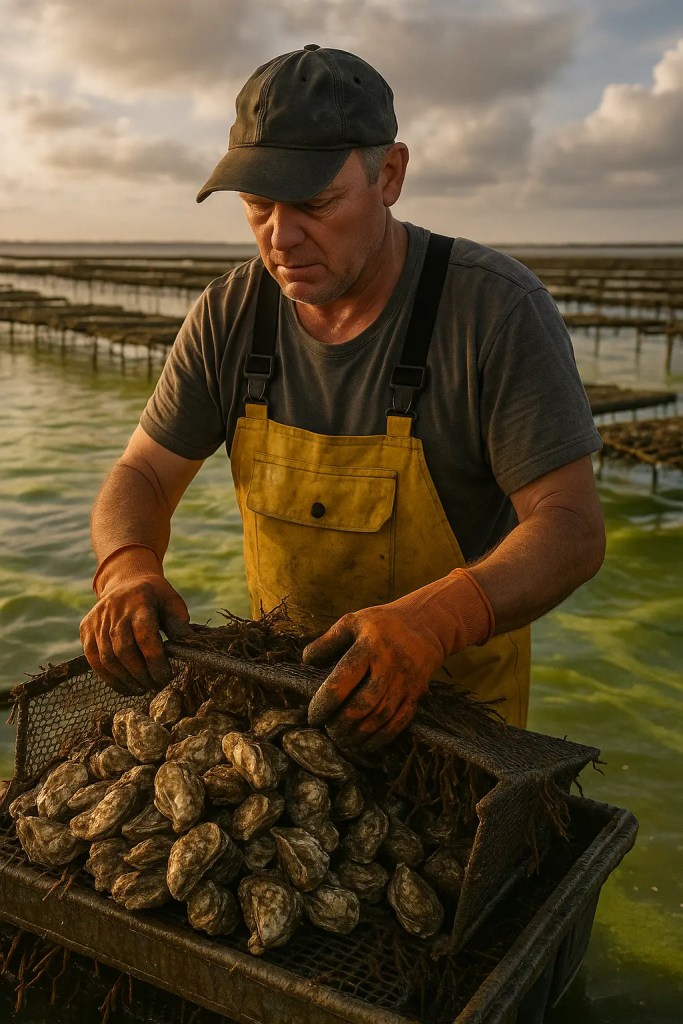
Will the South Australian Oyster Industry Survive This?
Experts believe recovery is possible—but only with fast, strategic action. “It’s a critical time,” said a SAOGA spokesperson. “We need financial relief and water clarity soon.”
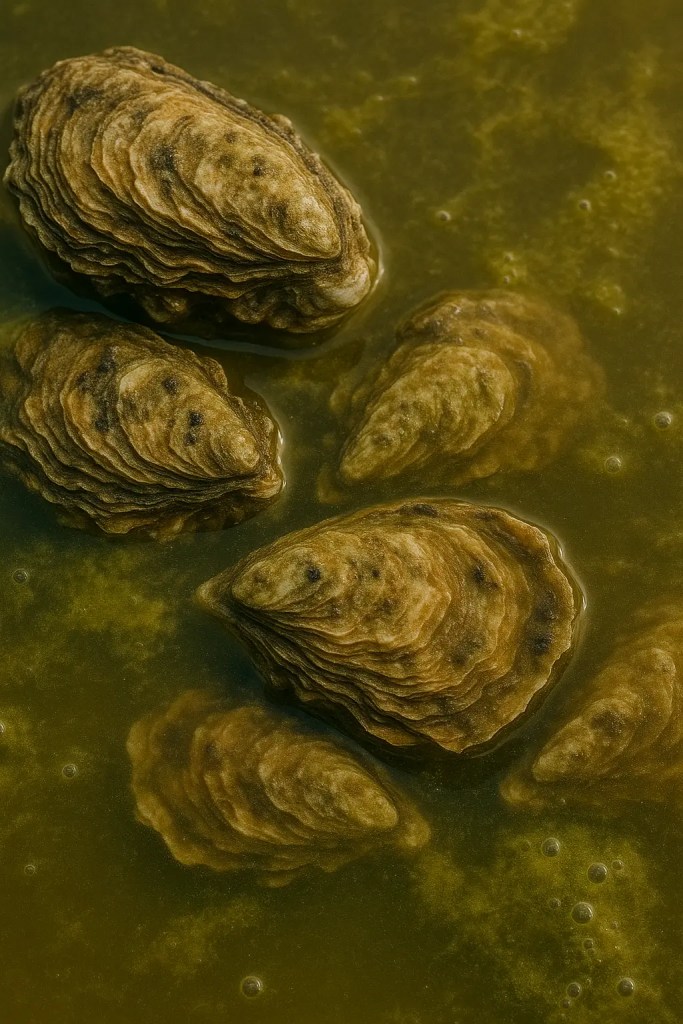
If waters remain toxic into the winter, farmers could lose not just their current crop but next year’s seed oysters as well. Some hatcheries are preparing to halt operations altogether.
A $100 million economic hit would ripple across restaurants, wholesalers, and coastal tourism.
What This Means for Oyster Lovers
The algae outbreak in South Australia may have ripple effects far beyond the farm. For oyster enthusiasts, it could reshape availability, pricing, and trust in sourcing.
Reduced Availability of Premium South Australian Oysters
Farms in affected areas like Stansbury and Kangaroo Island produce some of Australia’s most sought-after oysters. With harvesting halted, the supply of these boutique varieties will decline sharply in the coming weeks.
Oyster lovers may notice fewer options from South Australia on restaurant menus, online platforms, and raw bars.
Price Increases & South Australian Oyster Industry Supply Chain
With over 10 million oysters quarantined, the market is losing a large volume of mature stock. This supply shock will likely lead to price increases—especially for large, plate-ready oysters with distinct flavor profiles.
Distributors may shift focus to unaffected regions, but overall inventory will remain tighter until at least late 2025.
Possible Gaps in Seasonal Offerings
Many South Australian oysters are seasonal, with peak flavor from April to August. The bloom hit just as this window opened. As a result, consumers may miss out on prime-time oysters from locations like Yorke Peninsula.
Other regions may not replicate the exact salinity, texture, and flavor balance oyster lovers expect from this region.
No Known Human Health Risk, But Sourcing Matters
K. mikimotoi does not produce toxins that harm humans directly. However, shellfish affected by harmful algal blooms can exhibit stress, reduced shelf life, and altered taste. Buyers should check harvest dates and sourcing labels carefully.
Only consume oysters harvested from certified, unaffected waters to ensure freshness and food safety.
Why Continued Support Matters
Supporting reputable oyster farms—especially those investing in sustainable and adaptive practices—is more important than ever. Many producers rely on direct-to-consumer sales to survive disruptions like these.
By choosing traceable, responsibly farmed oysters, consumers help preserve the industry and encourage long-term resilience.
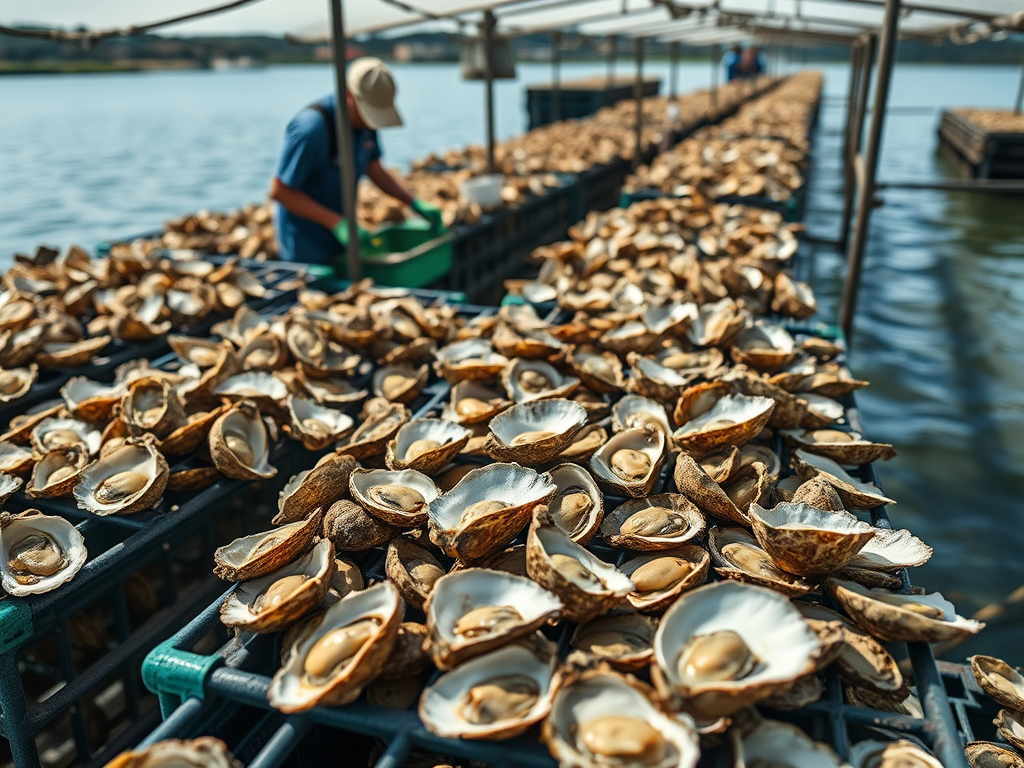
What’s Next?
Marine authorities are expected to release test results in early June. Meanwhile, farmers urge long-term investment in algae monitoring and emergency mitigation infrastructure.
This event marks a wake-up call for shellfish aquaculture globally. As oceans warm and nutrient runoff increases, harmful blooms may become more frequent.
Stay Connected with The Oyster Encyclopedia!
Follow us on social media to get the latest updates, oyster recipes, and behind-the-scenes glimpses into the world of oysters:
Stay tuned for exclusive content, oyster trivia, and more! Engage with our vibrant community of oyster enthusiasts by liking, commenting, and sharing our posts. Your support helps us continue providing valuable oyster knowledge to fellow seafood lovers worldwide.
If you like this article, check out some of our related content!
References
- Oyster farmers fear spreading toxic algae could destroy $100m industry. AdelaideNow
- Karenia mikimotoi: a harmful algae species profile. HAB Monitoring Program, Japan Ministry of Environment
- Aquaculture and harmful algal blooms. CSIRO Marine and Atmospheric Research
- South Australian Oyster Growers Association Official Statement, May 2025. SAOGA
Discover more from The Oyster Encyclopedia
Subscribe to get the latest posts sent to your email.