


Introduction
Oyster farming has evolved significantly over the years, with different techniques emerging to balance sustainability, efficiency, and oyster quality. One of the most widely used methods in modern aquaculture is rack and bag oyster culture. This technique involves placing oysters in mesh bags, which are then secured on elevated racks above the seabed. This setup allows oysters to grow in clean, nutrient-rich waters while being protected from predators and sediment buildup.

In this article, we’ll explore how rack and bag oyster culture works, its benefits and challenges, and why it has become a preferred method in sustainable oyster farming.
What is Rack and Bag Oyster Culture?
Rack and bag oyster culture is a semi-suspended farming method where oysters are placed in mesh bags and positioned on elevated racks above the seafloor. These racks are typically made from metal or PVC and are arranged in shallow coastal waters, estuaries, or bays.

This setup allows oysters to be raised above sediment, reducing exposure to mud and contaminants while still benefiting from natural water flow. Farmers can easily monitor growth, adjust positioning, and protect oysters from predators, leading to a higher survival rate and better-quality oysters.
How Rack and Bag Oyster Culture Works
The rack and bag oyster farming process consists of several key steps, ensuring optimal growth conditions and sustainable production.

1. Site Selection and Preparation
- Farmers choose shallow coastal areas with good water circulation and moderate salinity.
- Racks are installed in rows, spaced evenly to allow for water flow and easy maintenance.
2. Spat Seeding and Bag Placement
- Young oysters (spat) are placed in durable mesh bags, which allow water to flow freely while keeping oysters contained.
- The bags are then secured onto racks, preventing them from sinking into the seabed.
3. Growth and Maintenance
- Oysters grow by filtering plankton from the water.
- Farmers regularly flip and shake the bags to prevent overcrowding, encourage even shell development, and reduce biofouling (the accumulation of algae and barnacles).
4. Harvesting the Oysters
- Once mature (typically 12–24 months), oysters are collected directly from the bags.
- This method results in cleaner, more uniform oysters with well-shaped shells and high meat yield.
Benefits of Rack and Bag Oyster Culture
One of the biggest advantages of rack and bag oyster culture is the improved growing environment it provides. By elevating oysters above the seabed, this method reduces exposure to mud, sand, and silt, leading to cleaner and more flavorful oysters. Since oysters in this system grow in constantly flowing water, they receive a steady supply of plankton and nutrients, promoting faster growth and consistent development.
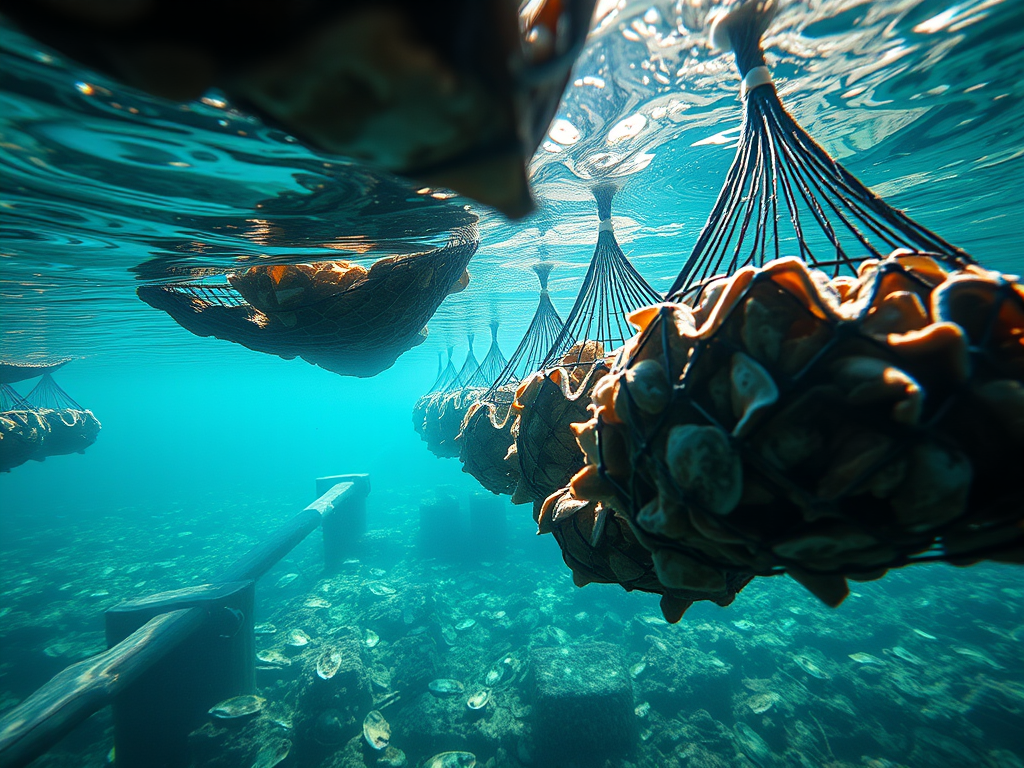
Protection from predators like crabs, starfish, and oyster drills is another key benefit. Unlike bottom-cultured oysters, which are vulnerable to seabed-dwelling threats, oysters in racks and bags are safely contained, resulting in higher survival rates and less loss due to predation.
Sustainability is another major factor driving the popularity of rack and bag oyster culture. Because this method does not disturb the ocean floor, it is considered eco-friendly and aligns with sustainable aquaculture practices. Additionally, because oysters naturally filter water, these farms contribute to improving local water quality and marine ecosystems.
For farmers, this system offers greater control over the growing process. Unlike bottom culture, where oysters are left to grow with little intervention, rack and bag systems allow farmers to monitor health, manage growth density, and adjust positioning as needed. This results in high-quality oysters that meet market standards for size, shape, and flavor.
Challenges of Rack and Bag Oyster Culture
While rack and bag oyster culture has many advantages, it also presents several challenges that require careful management.
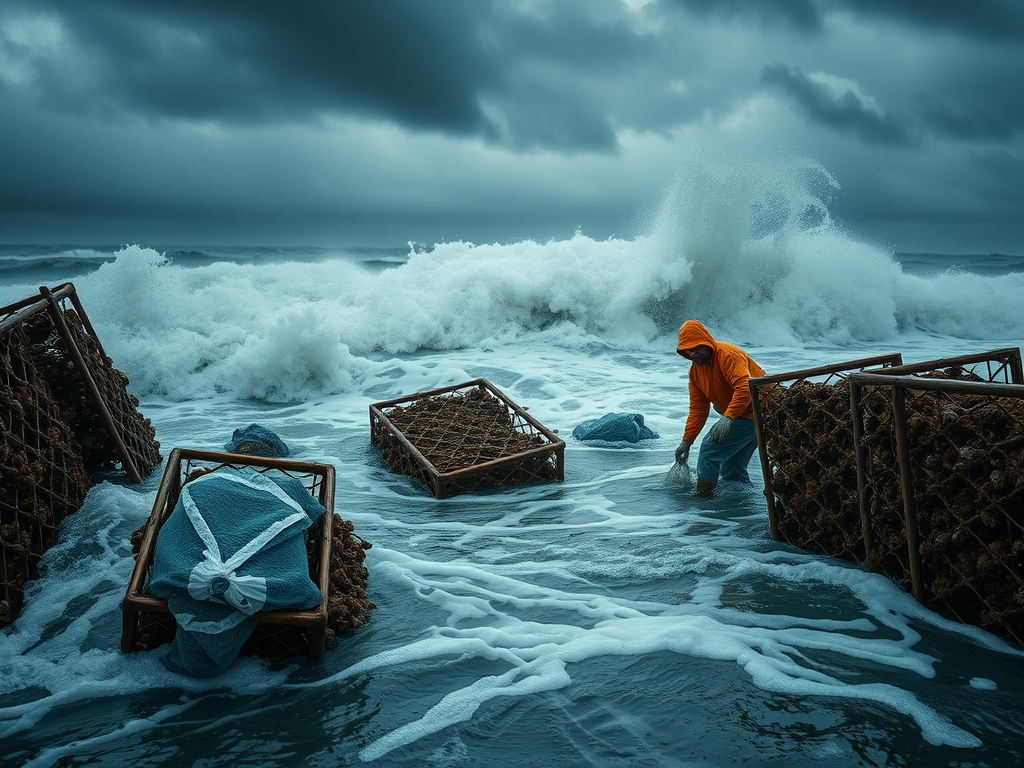
One of the primary issues is the constant need for maintenance. Oyster bags must be flipped and shaken frequently to prevent fouling from algae, barnacles, and other marine growth. Without regular handling, oysters can become misshapen, overcrowded, or compromised by biofouling, which can affect market value.
Exposure to extreme weather conditions is another challenge. Because racks are positioned in shallow waters, they are more vulnerable to storms, strong waves, and coastal flooding. Severe weather can dislodge racks, damage bags, or even wash away entire oyster beds, leading to significant losses for farmers.
Another limitation is the space required for rack and bag farms. Since these systems are fixed in shallow coastal waters, they may conflict with other marine activities, such as boating, fishing, and recreational water use. Obtaining permits and regulatory approvals can be a challenge in certain areas, particularly in regions with strict environmental protection laws.
Finally, initial setup costs for rack and bag systems can be higher than traditional bottom culture. Farmers must invest in sturdy racks, durable mesh bags, and secure anchoring systems to withstand environmental conditions. While this investment often leads to higher yields and better-quality oysters, it requires upfront capital and ongoing labor costs.
Where is Rack and Bag Oyster Culture Used?
Many of the world’s top oyster-producing regions use rack and bag systems due to their efficiency, sustainability, and ability to produce premium oysters. Some key locations include:
- France (Normandy & Brittany) – Famous for Gillardeau oysters, grown in suspended racks for their meaty texture and refined flavor.
- United States (Chesapeake Bay & Pacific Northwest) – Used for cultivating East Coast and West Coast oysters, known for their briny and sweet profiles.
- Canada (Prince Edward Island & British Columbia) – Producing deep-cupped oysters with strong shells, ideal for raw consumption.
- Australia & New Zealand – Growing Sydney Rock Oysters and Bluff Oysters, valued for their unique merroir and plump meat.
Comparing Rack and Bag to Other Oyster Farming Methods
| Farming Method | Growth Environment | Advantages | Challenges |
|---|---|---|---|
| Rack and Bag Culture | Elevated on racks above the seabed | Cleaner oysters, predator protection, easy maintenance | Requires frequent handling, vulnerable to storms |
| Bottom Culture | Directly on the ocean floor | Natural growth, minimal infrastructure | Slower growth, higher predation risk |
| Off-Bottom (Floating Cages) | Suspended in the water column | Faster growth, high-quality oysters | High setup cost, exposed to strong currents |
| Floating Bag Systems | Floating at surface level | Easy harvesting, great water flow | Susceptible to storms, requires regular monitoring |
The Future of Rack and Bag Oyster Culture
As demand for sustainably farmed oysters grows, rack and bag oyster culture is expected to play an even greater role in the seafood industry. Technological advancements, such as automated bag flipping, AI-driven monitoring systems, and improved farm designs, will help make this method more efficient and scalable.
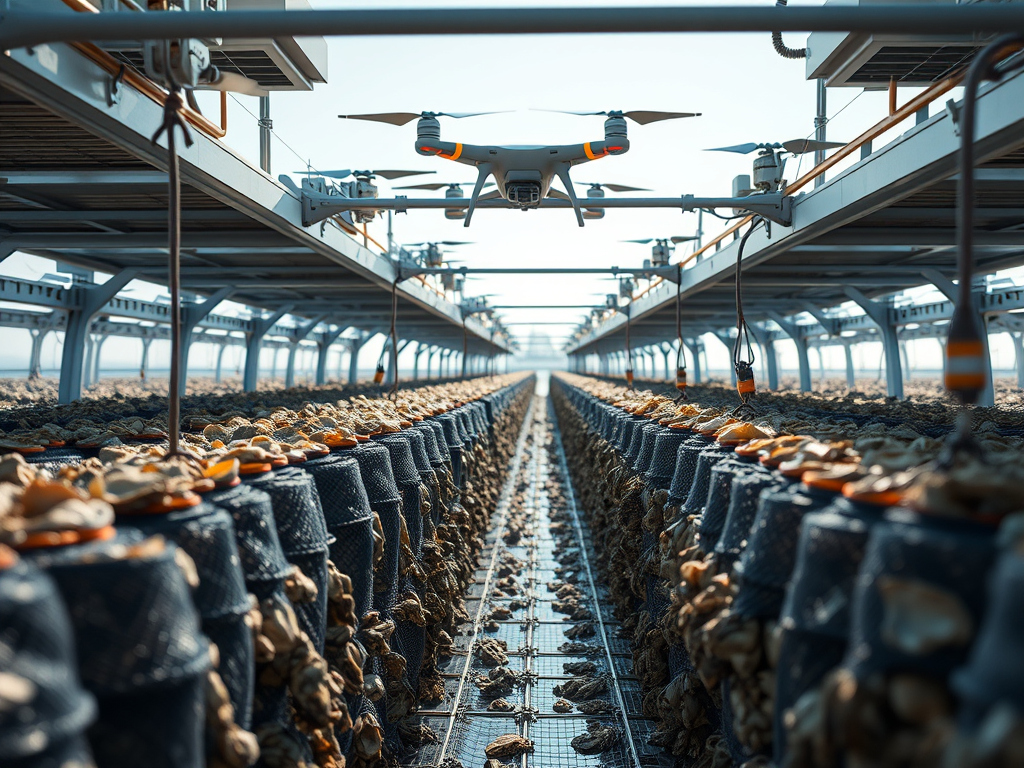
Additionally, many oyster farms are integrating habitat restoration initiatives, using oyster shells and reef structures to support wild oyster populations and coastal biodiversity. These efforts not only boost production but also contribute to marine ecosystem health.
Why Rack and Bag Oyster Culture is the Future
With its ability to produce high-quality oysters while minimizing environmental impact, rack and bag oyster culture has become one of the most sustainable and effective farming methods. While it requires ongoing maintenance and investment, the benefits—including cleaner oysters, better predator protection, and improved farm control—make it a valuable approach for modern oyster aquaculture.

For seafood lovers, oysters grown using this method offer a superior taste and texture, ensuring a consistent and premium dining experience. As innovation continues, rack and bag farming will remain at the forefront of sustainable oyster production worldwide.
Discover more from The Oyster Encyclopedia
Subscribe to get the latest posts sent to your email.