

New York City, a bustling metropolis, is on the brink of an environmental revolution, and oyster restoration is leading the charge. Once the world’s oyster capital, NYC’s waters teemed with these bivalves. Today, they are poised to play a crucial role in the city’s ecological and urban resurgence. This article explores how oysters, beyond their culinary delights, are set to save New York City.
The Historical Significance of Oysters in NYC
Oysters and New York City share a rich, intertwined history. The Hudson River and surrounding waters were once abundant with oyster beds, serving as a critical food source essential for Native Americans and early European settlers. However, by the 20th century, overharvesting, pollution, and urban development had decimated these oyster populations, leaving the waters bereft of their ecological and economic benefits.
Environmental Benefits of Oysters

Oysters are environmental superheroes. Each oyster filters up to 50 gallons of water daily, removing pollutants and clarifying the water. They form oyster reefs, creating habitats for many marine species, thus boosting biodiversity. Furthermore, these reefs act as natural barriers, mitigating coastal erosion and lessening the impact of storm surges, a growing concern in the face of climate change.
Diverse Initiatives in NYC’s Oyster Restoration Efforts
While the Billion Oyster Project is a cornerstone in New York City’s oyster restoration, it’s part of a more significant, city-wide movement involving various organizations and communities. These initiatives collectively contribute to the ecological and social fabric of the city.
- Hudson River Park Trust’s River Project: This innovative project integrates oyster restoration into the broader mission of revitalizing the Hudson River’s ecosystem. Installing oyster cages along the park’s piers enhances oyster populations. It serves as a living classroom for New Yorkers, educating them about the importance of marine conservation.
- New York/New Jersey Baykeeper’s Oyster Restoration Program: This program extends its efforts to the New York-New Jersey Harbor Estuary, creating oyster reefs that serve as critical habitats and natural water filters. The Baykeeper’s program is pivotal in scientific research, providing valuable data on the ecological impacts of oyster restoration.
- The Living Breakwaters Project: Situated off Staten Island’s shore, this project uniquely blends coastal defense and environmental restoration. The breakwaters reduce shoreline erosion while fostering oyster habitats, showcasing how urban infrastructure and ecological initiatives can work hand in hand.
- Coney Island Creek Oyster Restoration: Focused on one of the city’s most iconic areas, this project engages local communities in restoring oysters in Coney Island Creek. It’s a testament to how environmental efforts can unite diverse groups for a common cause.
- Bronx River Alliance’s Oyster Restoration Program: Targeting the Bronx River, this initiative is part of a comprehensive plan to improve the river’s health. The program not only aids in oyster population recovery but also strengthens community ties to the local environment.
Economic Revitalization through Oyster Farming
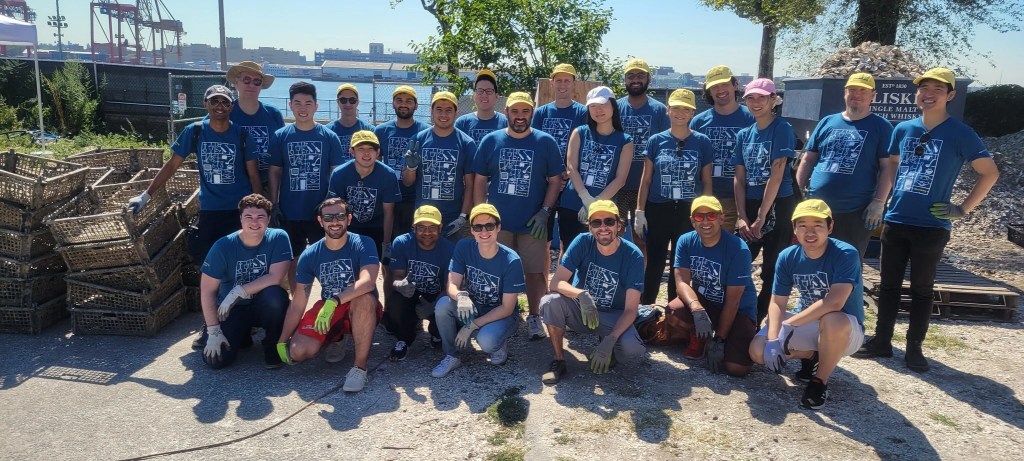
- Job Creation and Industry Growth: The revival of oyster populations has led to a renaissance in local oyster farming, creating jobs in aquaculture, marine biology, and environmental science. This growth extends to ancillary industries such as boat building, logistics, and seafood processing, further bolstering the city’s economy.
- Sustainable Aquaculture: Oyster farming in NYC is a model of sustainable aquaculture. These farms often use methods that have minimal environmental impact, contributing to the health of the waterways while producing a valuable crop. This sustainable approach attracts eco-conscious consumers and investors, driving economic growth.
- Tourism and Educational Opportunities: Oyster restoration projects have become points of interest for locals and tourists. Educational tours and volunteer programs associated with these projects foster a deeper understanding of marine ecology and sustainable practices, enhancing the city’s educational tourism sector.

Culinary Renaissance and Cultural Significance
Diverse Culinary Offerings
New York City’s culinary scene has been enriched by the resurgence of local oyster varieties. Restaurants and oyster bars now proudly feature locally sourced oysters, offering a taste of the city’s natural bounty. This supports local farmers and provides diners with fresh, sustainable seafood options.
Innovation in Cuisine
Chefs across the city are experimenting with these local oysters, creating innovative dishes that reflect the unique flavors of different oyster species. This culinary creativity contributes to NYC’s reputation as a global gastronomic hub.
Cultural and Historical Connection
Oysters have a storied history in New York City, and their comeback is a nod to the city’s heritage. Restaurants and culinary events often celebrate this history, creating dishes inspired by traditional New York oyster recipes, thus preserving and honoring the city’s rich cultural past.
Community and Social Events
Oyster festivals, tasting events, and shucking competitions have become popular social gatherings, fostering community spirit and a shared appreciation for local produce. These events celebrate the city’s oyster heritage and raise awareness about marine conservation and sustainable eating.
Addressing Future Challenges in NYC’s Oyster Restoration
As New York City forges ahead with its oyster restoration efforts, it navigates a landscape of challenges and opportunities. The path forward requires a nuanced approach, blending environmental stewardship with urban development, economic resilience, scientific innovation, and community engagement.
The environmental and climate challenges are at the forefront. Rising sea levels and increased storm surges, direct consequences of climate change, underscore the importance of oysters in shoreline protection. Yet, these conditions also threaten the habitats these oysters need to thrive. Ensuring water quality remains a persistent concern, as oysters, the natural cleaners, are susceptible to pollution. The health and safety of consuming oysters depend on the cleanliness of the city’s waterways.
Economic sustainability presents its own set of challenges. The vitality of oyster restoration projects depends heavily on consistent funding and investment. Demonstrating the multifaceted value of these initiatives is vital to attracting support from government entities, private investors, and the public. Additionally, the oyster industry, like any other, faces market fluctuations. Developing a resilient market for locally farmed oysters, capable of withstanding economic variances, is essential for the industry’s long-term success.

In conclusion, the future of oyster restoration in New York City is complex yet hopeful. It requires a concerted effort across various domains, from environmental management and urban planning to economic strategy, scientific research, and public engagement. By addressing these challenges with a comprehensive and adaptive approach, the city can ensure the continued success and expansion of its oyster restoration efforts, paving the way for a more sustainable and resilient urban ecosystem.
Discover more from The Oyster Encyclopedia
Subscribe to get the latest posts sent to your email.