


Oysters are one of the most fascinating foods in the world, offering a diverse range of flavors influenced by their habitat. The concept of merroir—akin to terroir in wine—explains how an oyster’s surroundings, from water salinity to algae content, impact its oyster flavor profiles, texture, and overall experience. This guide explores the environmental factors that shape the unique oyster flavor profiles across different regions.
Salinity: The Backbone of Oyster Flavor Profiles
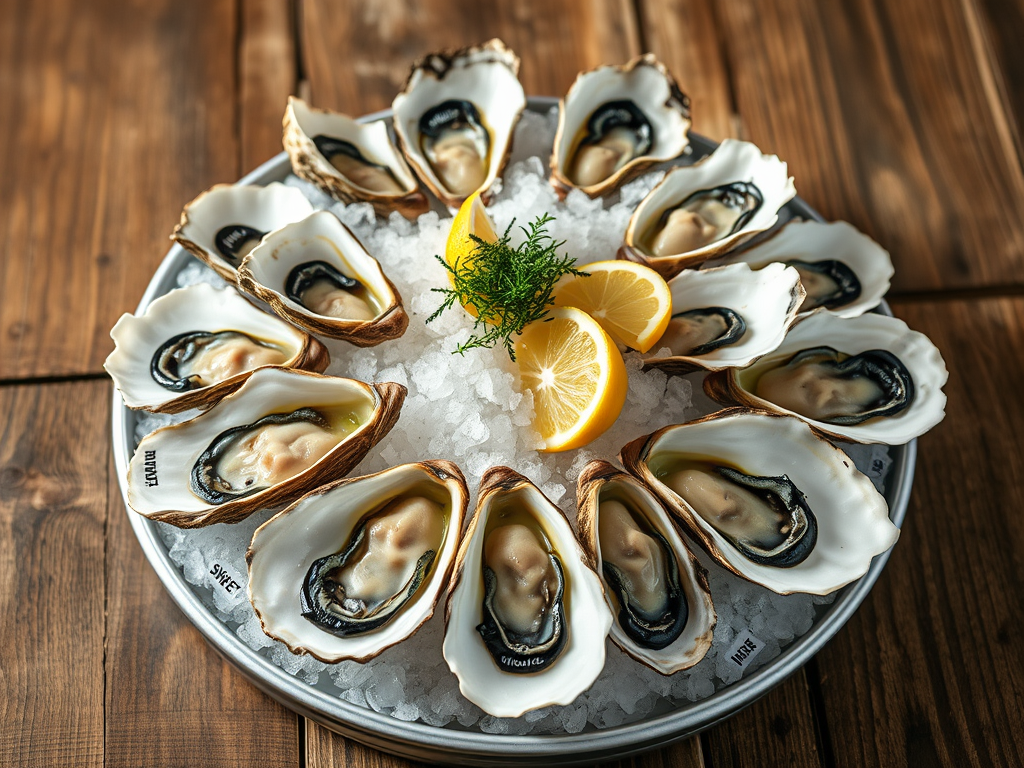
The salinity of an oyster’s habitat is one of the most crucial factors in determining its oyster flavor profile. Oysters filter up to 50 gallons of water a day, absorbing the salt levels of their surroundings.

- High-Salinity Oysters (above 30 parts per thousand) develop a bold, salty taste reminiscent of the open ocean. Examples include Blue Points from Long Island Sound and Wellfleets from Cape Cod.
- Low-Salinity Oysters (below 15 ppt) have a milder, more balanced flavor with subtle sweetness. Chesapeake Bay oysters and certain Gulf Coast varieties fall into this category.
Regions with fluctuating salinity, such as estuaries where freshwater meets seawater, create oyster flavor profiles with more complex layers.
Water Temperature and Its Impact on Oyster Flavor Profiles
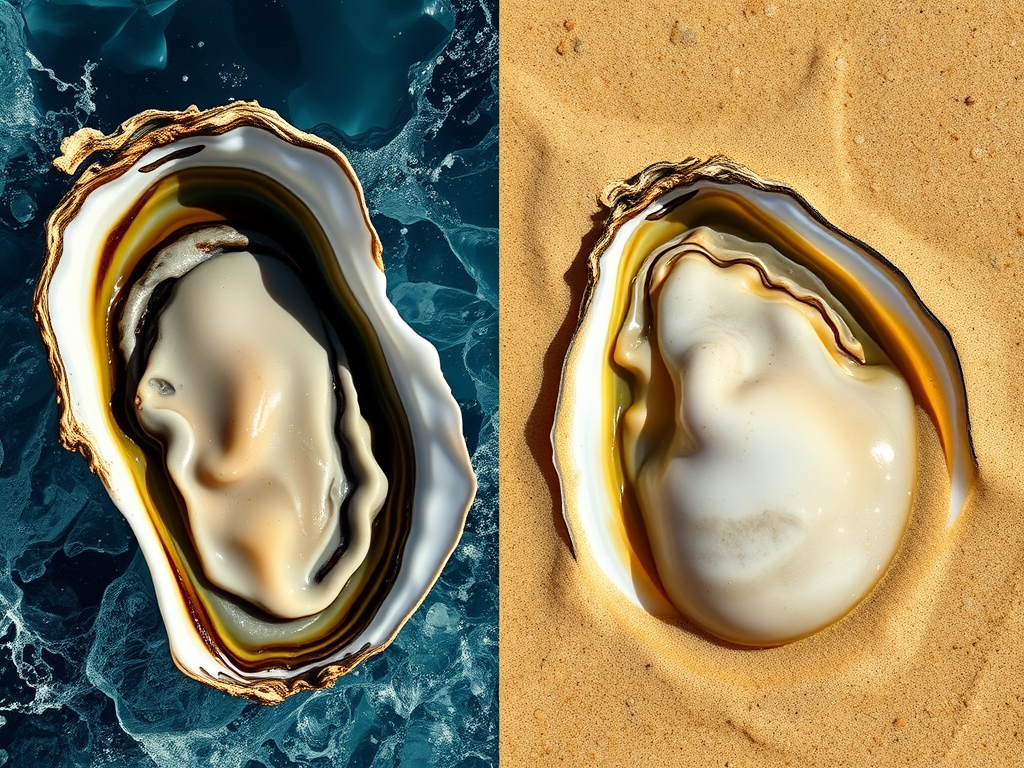
Water temperature plays a crucial role in shaping an oyster’s flavor profile, texture, and overall eating experience. Oysters thrive in a wide range of temperatures, from the cold waters of the North Atlantic and Pacific Northwest to the warm, subtropical waters of the Gulf of Mexico and Southeast Asia. These temperature differences influence oyster growth rates, metabolism, and even shell structure, which in turn affects their taste and mouthfeel.
The Raw Bar Bible
A deeper look into oysters, shucking technique, brine, knife choice, and real raw bar workflow — written from a chef’s point of view. Clear, practical, and built from actual service experience.
Cold-Water Oysters: Slow Growth, Intense Flavor
Oysters grown in cold water environments experience a much slower growth rate due to reduced metabolic activity. This slow development allows for:
- Tighter Muscle Fibers & Firmer Texture: Cold-water oysters develop firmer, denser meat because they build their muscles over a longer period. This makes them chewier and more structured compared to their warm-water counterparts.
- Brighter, Crisp Flavors: The extended growth period allows more time for minerals and phytoplankton influences to develop, leading to a sweeter, cleaner taste with a briny crispness.
- Higher Salinity Retention: Many cold-water oysters come from open, salty waters, which enhances their sharp, briny punch.
Examples of Cold-Water Oysters
- Kusshi Oysters (British Columbia, Canada): Known for their small, deep-cupped shells and a clean, slightly sweet finish with a cucumber-like taste.
- Wellfleet Oysters (Massachusetts, USA): Grown in the nutrient-rich waters of Cape Cod, these oysters have a signature high salinity with a bright mineral finish.
- Malpeque Oysters (Prince Edward Island, Canada): Crisp and briny with a distinct seaweed-like umami taste.
- Fanny Bay Oysters (British Columbia, Canada): A creamy texture with a delicate, salty-sweet balance.
Warm-Water Oysters: Faster Growth, Milder Flavor
Oysters in warm waters grow much faster due to increased metabolic rates, reaching maturity in a shorter time. This affects their texture and flavor in several ways:
Lower Salinity Levels: Many warm-water oyster beds are located in estuaries or brackish environments, meaning they don’t retain as much salt, making their flavor less aggressive and more approachable for those new to oysters.
Plumper, Softer Meat: Warm-water oysters tend to have a softer, almost buttery texture, as their muscle fibers don’t have as much time to develop density.
Milder, More Subtle Flavor: Because they grow quickly, they often take on more vegetal, mineral, or slightly sweet notes rather than the intense brininess of cold-water oysters.
Examples of Warm-Water Oysters
Sydney Rock Oysters (Australia): A staple of Australian seafood culture, these oysters have a mild, sweet taste with a smooth, creamy mouthfeel.
Gulf Oysters (Louisiana, Texas, Florida): These oysters tend to be larger and meatier with a mild, almost creamy taste that pairs well with sauces and toppings.
Misty Point Oysters (Virginia, USA): These oysters are grown in a moderately warm climate. They develop a deep cup, plump meat, and a buttery, melon-like finish.
Belon Oysters (Brittany, France): Though they originate from colder waters, many are farmed in slightly warmer European environments. This results in a rich, metallic, almost gamey flavor.
Phytoplankton: A Key Influence on Oyster Flavor Profiles
As filter feeders, oysters consume microscopic algae, which plays a significant role in their oyster flavor profiles. The type of phytoplankton available in a region affects the nuances of an oyster’s taste.

- Diatom-rich waters (Pacific Northwest, Maine) lead to nutty, cucumber-like notes.
- Dinoflagellate-heavy environments (France’s Normandy coast, parts of the Gulf) contribute buttery, grassy, or even melon-like flavors.
- Tannin-infused waters (such as near marshy, peat-heavy coastlines) can impart hints of earthiness, similar to the way oak barrels influence wine.
Oysters in phytoplankton-dense regions tend to be richer in umami, enhancing their oyster flavor profiles with a savory depth.
Mineral Content and Its Effect on Oyster Flavor Profiles
Just like wine grapes absorb minerals from the soil, oysters take on characteristics from the seabed. The substrate—whether sandy, muddy, or rocky—affects their texture and oyster flavor profile.
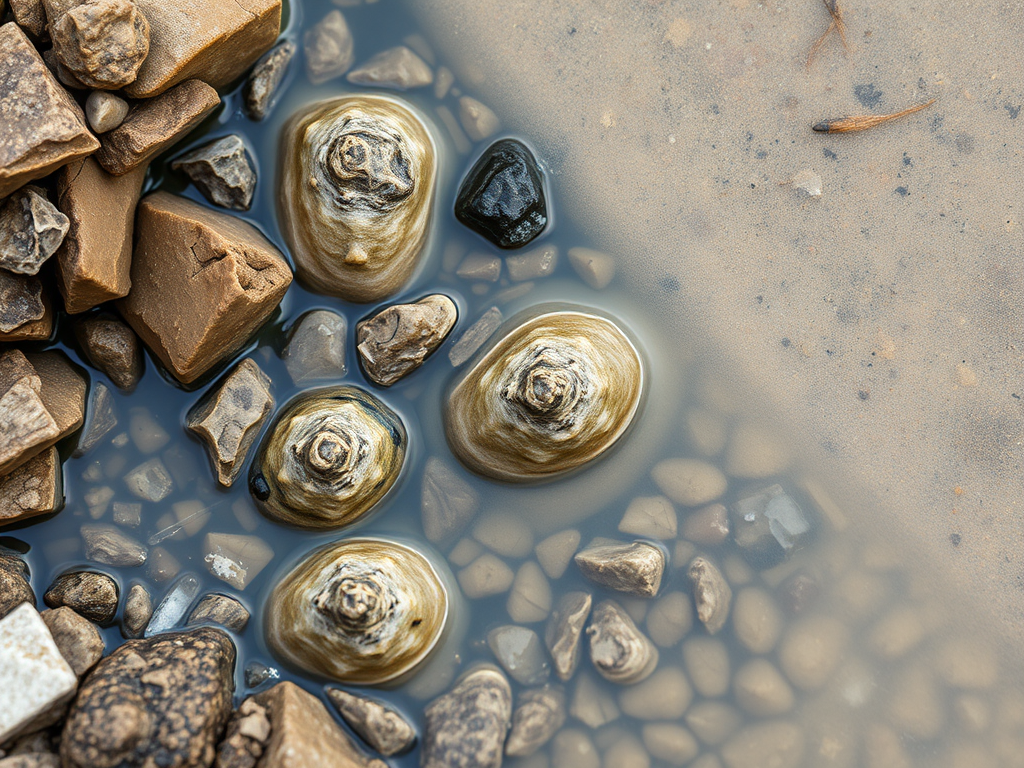
- Rocky Seabeds (France’s Brittany region, Northern California) result in oysters with a distinct flinty, metallic aftertaste.
- Sandy or Silty Bottoms (Gulf of Mexico, Chesapeake Bay) contribute earthy, slightly sweet notes.
- Peaty or Tannin-Influenced Waters (Scotland, certain Pacific Northwest bays) create oysters with subtle smoky or mushroom-like undertones.
The interaction between water chemistry and sediment composition results in distinctive oyster flavor profiles, making each region’s oysters truly unique.
Tidal Influence on Oyster Flavor Profiles
Oysters growing in areas with strong tidal movement develop firmer textures and more pronounced oyster flavor profiles due to the frequent exposure to air and water shifts.
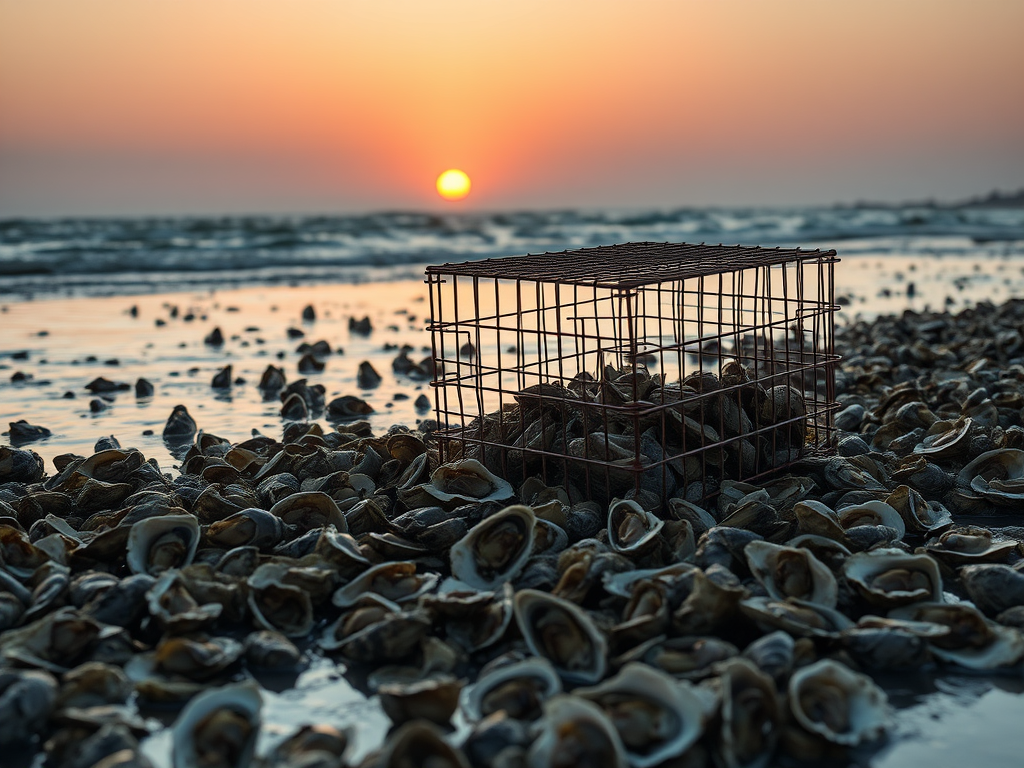
- Tide-Powered Oysters (Puget Sound, Prince Edward Island) are meaty, with a crisp texture and a bright, briny finish.
- Still-Water Oysters (Louisiana Bayous, certain Asian farms) tend to be softer, creamier, and more delicate in flavor.
The movement of water affects how oysters build their shells and muscle structure. This directly influences their oyster flavor profiles, particularly mouthfeel and finish.
Wild vs. Farmed: How Cultivation Methods Shape Oyster Flavor Profiles
Wild oysters express the character of their native waters. Farmed oysters are shaped by cultivation methods that can intentionally enhance or alter their flavor profiles.

- Tumbled Oysters (New Zealand, British Columbia) develop strong, deep cups and a firm texture, often with a salty snap.
- Suspended or Floating-Farm Oysters (Japan, Rhode Island) tend to be plump and slightly sweeter due to continuous exposure to nutrient-rich water.
- Seabed-Grown Oysters (France’s Belon oysters, Australian rock oysters) often take on an earthy, mineral-rich oyster flavor profile.
Every Oyster Flavor Profile Tells a Story
Understanding how environment shapes oyster flavor profiles adds another layer of appreciation to these shellfish. Whether you prefer the crisp, salty bite of a Maine oyster, the creamy sweetness of a Kumamoto, or the complex minerality of a European flat, each oyster reflects its home waters.
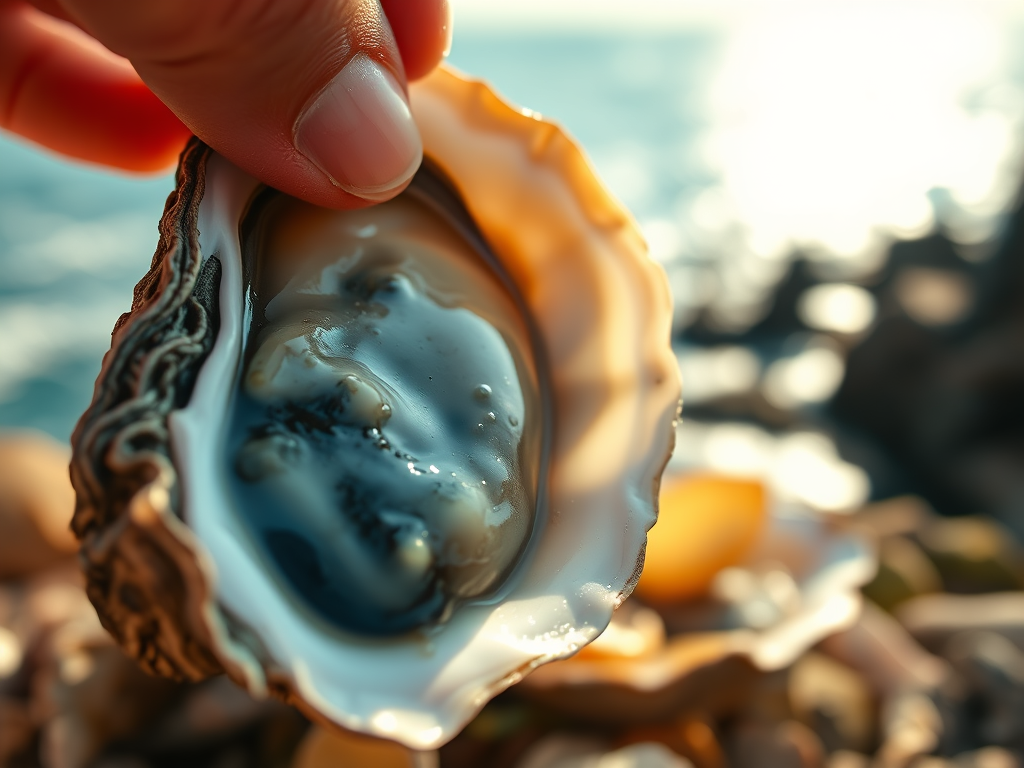
By considering factors like salinity, water temperature, algae content, and mineral composition, you can better predict and appreciate the oyster flavor profiles of different regions. Next time you slurp an oyster, remember—you’re tasting the ocean’s story.
Discover more from The Oyster Encyclopedia
Subscribe to get the latest posts sent to your email.