


Oyster aquaculture techniques have been revolutionized by innovation, driving advancements in the industry and unlocking new possibilities. Through the application of cutting-edge technologies and novel approaches, oyster farmers have witnessed remarkable improvements in efficiency, sustainability, and productivity. From the optimization of farm operations through remote monitoring and automation systems to groundbreaking developments in oyster seed production and selective breeding, these innovative techniques have reshaped the landscape of oyster farming.
The integration of oyster aquaculture techniques with other species through Integrated Multi-Trophic Aquaculture (IMTA) and the emergence of Recirculating Aquaculture Systems (RAS) have further expanded the horizons of the industry. IMTA enables the symbiotic combination of multiple species, such as oysters, seaweed, and finfish, fostering sustainable practices and enhancing ecosystem services. Simultaneously, RAS technology provides controlled environments for oyster production, reducing water usage and offering biosecurity benefits. These cutting-edge techniques empower oyster farmers to explore new frontiers in aquaculture and overcome traditional limitations.”
In addition, innovative value-added products and marketing strategies have fueled consumer interest and market growth. Oyster farmers are diversifying their offerings through the creation of specialty oyster brands, the introduction of new product forms (such as smoked or canned oysters), and the implementation of direct-to-consumer sales. These advancements in oyster aquaculture techniques not only meet the demands of a discerning consumer base but also expand market opportunities, driving the overall growth and viability of the industry.”
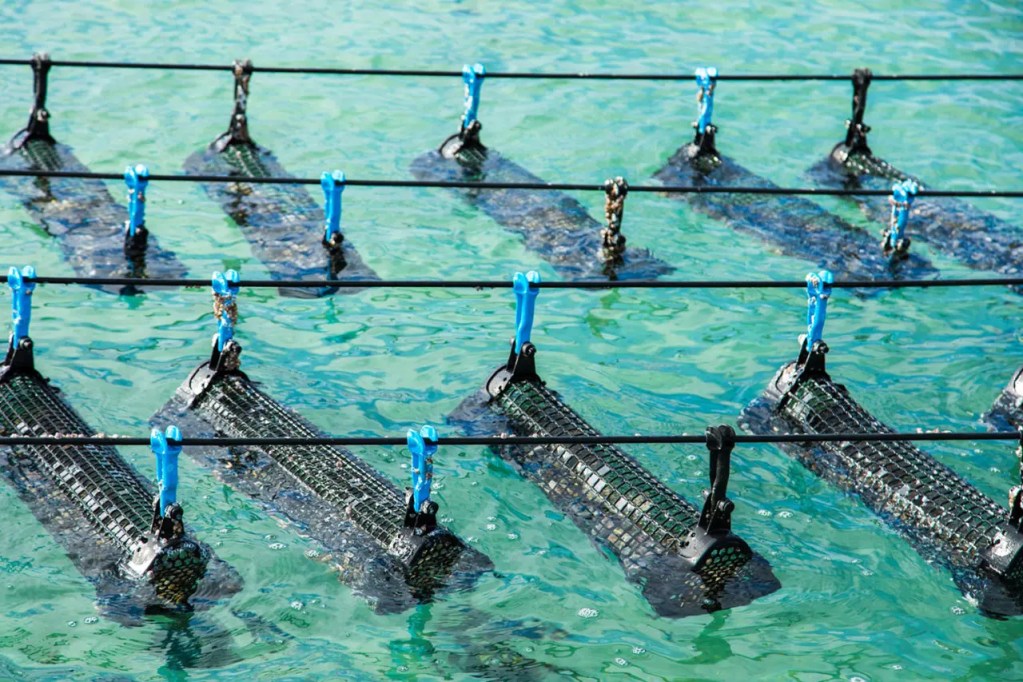
Overall, the continuous innovation and evolution of oyster aquaculture techniques position the industry for continued progress, meeting the rising demand for high-quality oysters while simultaneously minimizing environmental impact.
What are the key techniques used in oyster aquaculture?
- Production Systems: Oyster farmers have used many methods to raise oysters, including bottom-based, off-bottom, and floating systems. These methods are based on the technology, materials, and species used[1][3].
- Computer Mapping Technology: The use of computer mapping technology to track oyster location, growth, and survival is an innovative practice in oyster aquaculture. This technology allows farmers to optimize farm management and improve overall productivity[2].
- Smart Technology Management: Smart technology is being utilized to transform shellfish farming. This includes the use of sensors, data analytics, and automation to monitor water quality, feeding patterns, and overall farm conditions. These practices enhance sustainability and efficiency in oyster aquaculture[4].
- Restoration and Ecosystem Recovery: Oyster cultivation can help restore coastal ecosystems. When done in the right way and in the right places, commercial aquaculture can accelerate ecosystem recovery while providing sustainable seafood and green jobs in coastal communities[5].

- Innovative Use of Farmed Oysters: The innovative use of farmed oysters boosts businesses and benefits the environment. Oyster aquaculture and restoration programs have celebrated successes in utilizing farmed oysters for shoreline stabilization, habitat restoration, and water filtration[5].
These innovative practices and approaches in oyster aquaculture demonstrate the industry’s commitment to sustainability, restoration, and economic growth. By leveraging technology, exploring new cultivation methods, and promoting collaboration and education, oyster farmers are driving positive change in the industry.
Can oyster aquaculture techniques really make a difference?
Overall, oyster aquaculture has the potential to make a positive impact on coastal ecosystems, sustainable seafood production, and local economies. By implementing best practices, utilizing innovative techniques, and promoting responsible farming methods, oyster farmers can contribute to environmental restoration and economic growth.
Furthermore, it contributes to the local economy by generating employment opportunities and boosting coastal communities. As a sustainable source of seafood, oyster aquaculture helps meet the growing global demand for nutritious protein while reducing pressure on wild fish stocks. The industry’s dedication to research and innovation further drives advancements in aquaculture practices and marine science as a whole. By embracing responsible and environmentally conscious approaches, oyster aquaculture continues to make a meaningful difference, ensuring a brighter future for both the industry and the marine ecosystems it relies upon.

In conclusion, oyster aquaculture has a significant and positive impact on the environment, economy, and food security. Through its ability to improve water quality, create and restore habitats, and support sustainable seafood production, oyster aquaculture plays a vital role in promoting ecological balance and preserving marine ecosystems.
Citations:
[1] https://extension.umd.edu/sites/extension.umd.edu/files/2021-03/Oyster%20Aquaculture%20Production%20Systems.pdf
[2] https://hoopersisland.com/aquaculture-best-practices/
[3] https://extension.umd.edu/sites/extension.umd.edu/files/2021-02/2_Production%20Methods.pdf
[4] https://www.nifa.usda.gov/about-nifa/blogs/transforming-shellfish-farming-smart-technology-management-practices-sustainable
[5] https://www.nature.org/en-us/what-we-do/our-insights/perspectives/the-aquaculture-opportunity/
[6] http://www.nifa.usda.gov/about-nifa/blogs/transforming-shellfish-farming-smart-technology-management-practices-sustainable
Discover more from The Oyster Encyclopedia
Subscribe to get the latest posts sent to your email.