


Olympia Oysters, beneath the shimmering waters of the Pacific Northwest’s estuaries, a hidden gem of the sea quietly thrives – the Olympia oyster, scientifically known as Ostrea lurida. These unassuming mollusks may be small in stature, but they carry a remarkable legacy as one of the oldest oyster species on the planet. In this journey, we invite you to discover the world of Olympia oysters, their captivating appearance, and the exquisite flavor that has earned them a place of honor in the culinary and ecological tapestry of the region.

Olympia oysters exhibit a unique and modest charm. Their shells, often no more than 1 to 2 inches in length, showcase irregular shapes, bearing hues of brown, green, and purple. What truly sets them apart, however, is the extraordinary flavor encapsulated within these petite shells. Olympia oysters are celebrated for their sweet, briny taste, a testament to their exceptional culinary appeal. Despite their diminutive size, these oysters are prolific filter feeders, processing up to 30 gallons of water daily, contributing to cleaner and healthier estuarine environments.
Beyond their culinary allure, Olympia oysters hold a significant place in both the cultural heritage and conservation efforts of the Pacific Northwest. Indigenous coastal communities have cherished these oysters for millennia, making them a cultural touchstone in the region’s history. Additionally, Olympia oysters play a pivotal role in ecosystem restoration, thanks to their ability to form intricate reef structures that provide vital habitat for various marine species. As we delve deeper into the world of Olympia oysters, we’ll explore their habitat, conservation status, sustainability initiatives, and more, offering you a comprehensive view of these timeless treasures of the sea.
Appearance
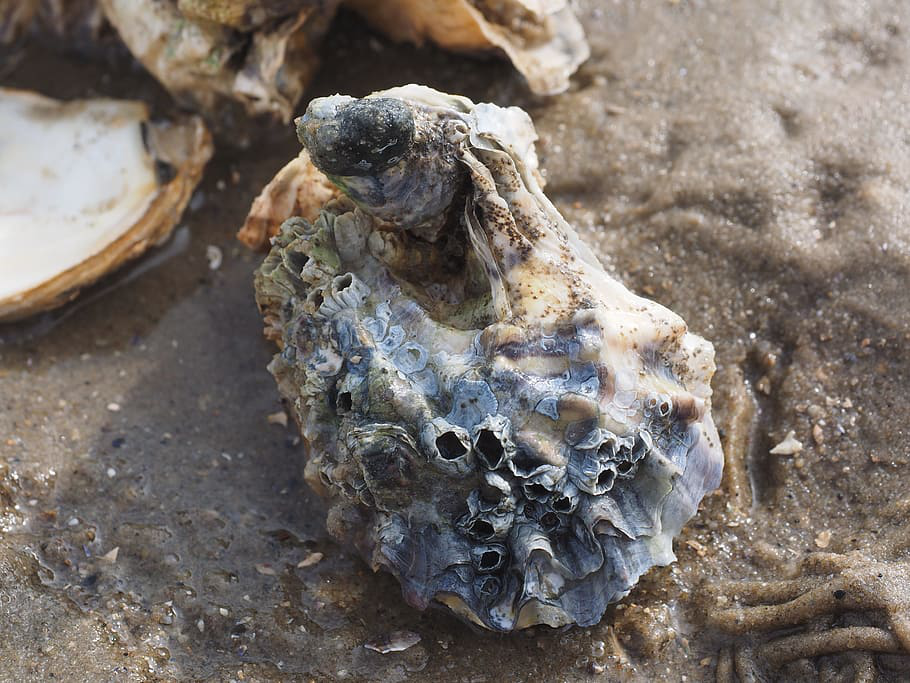
Olympia oysters, Ostrea lurida, present an unassuming yet intriguing appearance. These oysters are known for their relatively small size, typically measuring between 1 to 2 inches in length. Their shells, while unpretentious, carry a unique charm. They feature a roundish and irregular shape, often exhibiting a rough texture. The coloration of Olympia oyster shells can vary, ranging from earthy browns and greens to occasional hints of purple. Their shells, although modest in size and structure, are a testament to the resilience of a species that has endured for millions of years. In contrast to the grandeur of larger oyster varieties, Olympia oysters exude an understated elegance that captivates those who appreciate the subtlety of coastal ecosystems.
Taste
The culinary allure of Olympia oysters rests in their exceptional taste, which belies their diminutive size. Despite their modest proportions, Olympia oysters offer a flavor profile that is nothing short of extraordinary. These oysters are renowned for their unique combination of sweetness and brininess, setting them apart from other oyster species. Their sweet taste is often described as delicate and nuanced, adding a touch of elegance to seafood dishes. The briny undertones, on the other hand, infuse each bite with a sea-kissed richness that resonates with seafood enthusiasts. It is this captivating fusion of flavors that has made Olympia oysters a coveted delicacy among connoisseurs, where the essence of the sea is complemented by a subtle sweetness.
Gender
Olympia oysters exhibit a fascinating ability to change their gender during their lifetime, a phenomenon known as protandry. This intriguing biological characteristic is a key part of their reproductive strategy. Olympia oysters typically begin their lives as males, producing sperm to fertilize the eggs of other oysters. As they mature, some individuals undergo a transformation, transitioning to females capable of producing eggs. Some oysters may even switch genders multiple times over the course of their lives. This gender flexibility ensures a diverse population and genetic variation within Olympia oyster communities, contributing to their long-term survival and adaptability in dynamic estuarine environments.
Habitat and Distribution
Olympia oysters predominantly inhabit the coastal waters of the Pacific Northwest. This extends from the northern reaches of Alaska down to the shores of Baja California. They are commonly found in estuaries, bays, and intertidal zones, where the freshwater from rivers mingles with the ocean water. This unique habitat provides Olympia oysters with the dynamic conditions they require to thrive. They are highly adaptable to a wide range of salinity levels. Therefore enabling them to flourish in the ever-changing environments of estuaries and tidal waters. Olympia oysters typically anchor themselves to hard surfaces such as rocks and other substrates. Consequently, this forms tight-knit communities that create vital habitat for various marine species.
Conservation Status
The conservation status of Olympia oysters has become a matter of concern in recent years. This is, primarily, due to historical overharvesting, habitat loss, and pollution. In some regions, Olympia oysters are now considered a species of concern. Groups are necessitating focused efforts to protect and restore their populations. Conservation initiatives aim to address these challenges by improving water quality, conserving estuarine environments, and implementing responsible harvesting practices. Monitoring and safeguarding Olympia oyster populations are efforts to ensure their continued presence in coastal ecosystems. As a result, safeguarding their role in maintaining ecosystem health.
Culinary Uses
While Olympia oysters are not as widely consumed as other oyster species, they are highly prized for their exceptional flavor. They are often enjoyed raw on the half-shell, allowing their sweet and briny taste to shine. Some culinary enthusiasts also use them in various seafood dishes to accentuate their unique flavor.

Sustainability & Restoration Efforts
A range of strategies and practices are being implemented to ensure the sustainability of Olympia oyster populations. Restoration projects play a pivotal role in recreating essential oyster habitats that support Olympia oysters and other marine life. These projects involve the cultivation of oyster beds, which not only provide sanctuary for oysters but also contribute to healthier estuarine ecosystems. Additionally, eco-friendly aquaculture practices are being developed to minimize the environmental impact of oyster farming. These practices include careful site selection, continuous monitoring of water quality, and innovative farming techniques. Techniques that prioritize the well-being of the oysters and the surrounding ecosystem.
Environmental organizations, government agencies, and conservationists actively participate in Olympia oyster restoration projects. These efforts include replanting oyster beds, improving water quality, and conserving estuarine environments. The goal is to create a thriving ecosystem that supports Olympia oysters and other aquatic species.
Historical Significance
Olympia oysters hold historical importance as one of the earliest commercially harvested oyster species on the west coast of North America. They were vital to indigenous coastal cultures and played a crucial role in developing coastal economies.
Scientific Interest
Beyond their culinary and ecological significance, Olympia oysters are of scientific interest due to their unique genetics and adaptability. Researchers study them better to understand their biology and potential role in ecosystem restoration.
Hot Spots
Fun Facts on Olympia Oysters
- They are often called “living fossils” due to their ancient lineage dating back millions of years.
- Their remarkable ability to filter up to 30 gallons of water daily improves water quality in estuarine environments.
- The deep sea bivalves played a vital role in the diets of indigenous coastal communities. This makes them a cultural touchstone in the region’s history.
- These oysters serve as ecosystem engineers, creating intricate reef structures that provide vital habitat for various marine species.
- The sweet and salty taste of Olympia oysters adds a unique dimension to seafood cuisine. They are captivating the palates of seafood enthusiasts and chefs alike.
- Conservation efforts are dedicated to protecting and restoring Olympia oyster populations, ensuring their continued presence in coastal ecosystems.
- These oysters thrive in estuarine environments, where the meeting of freshwater and saltwater creates a delicate balance of conditions.
- Despite their small size, they are a cherished culinary delicacy and a testament to the rich seafood heritage of the Pacific Northwest.
Discover more from The Oyster Encyclopedia
Subscribe to get the latest posts sent to your email.
Pingback: The 5 (Most Common) Oyster Species and The 200 Others You Haven't Heard Of - The Oyster Encyclopedia