


Think you’ve cracked the secret to luxury seafood? Wait until you meet the oysters that inspire waiting lists, tasting pilgrimages, and serious sticker shock. This guide separates myth from reality, explains what actually drives price, and shows you where to taste the legends—without falling for outdated hype.

What Makes an Oyster Expensive
Price isn’t random—it’s the result of time, risk, and restraint. Slow-growing species (especially true “flat” oysters), limited lease capacity, and years of maintenance all push costs up. Exceptional merroir—clean, plankton-rich waters with the right salinity and temperature—adds complexity that chefs will pay for. Producers often release tiny allocations to specific venues or run farm-gate “drops,” keeping demand high. Finally, the best experiences are curated: expert handling, ice-cold chain of custody, and guided tastings turn a bivalve into an event.
Coffin Bay, Explained: Pricing vs. Hype
Here’s the reality: standard Coffin Bay oysters bought direct from producer collection drops in Australia typically run about A$80–A$90 for a five-dozen bag (great value at the source). That’s a far cry from the viral “$100 each” stories. coffinbayshellfish.com.au+1
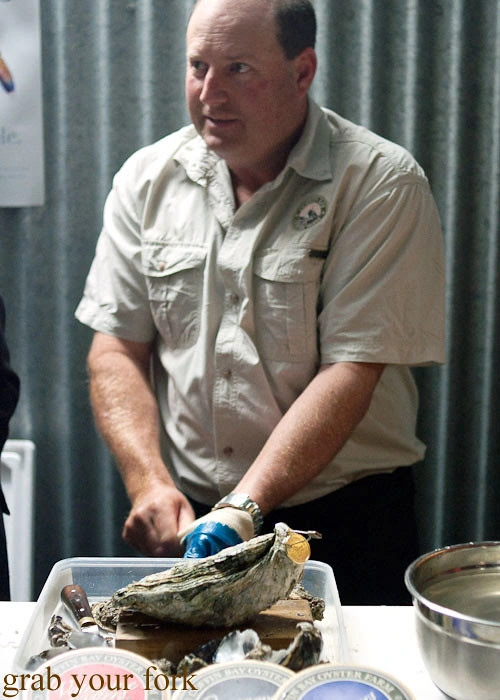
So where did the legend come from? Coffin Bay “King” oysters—ultra-large, slow-grown showpieces—have historically been sold locally as an occasional novelty around A$100 apiece. They’re not representative of everyday pricing; they’re theater, and that’s the point. grabyourfork.blogspot.com
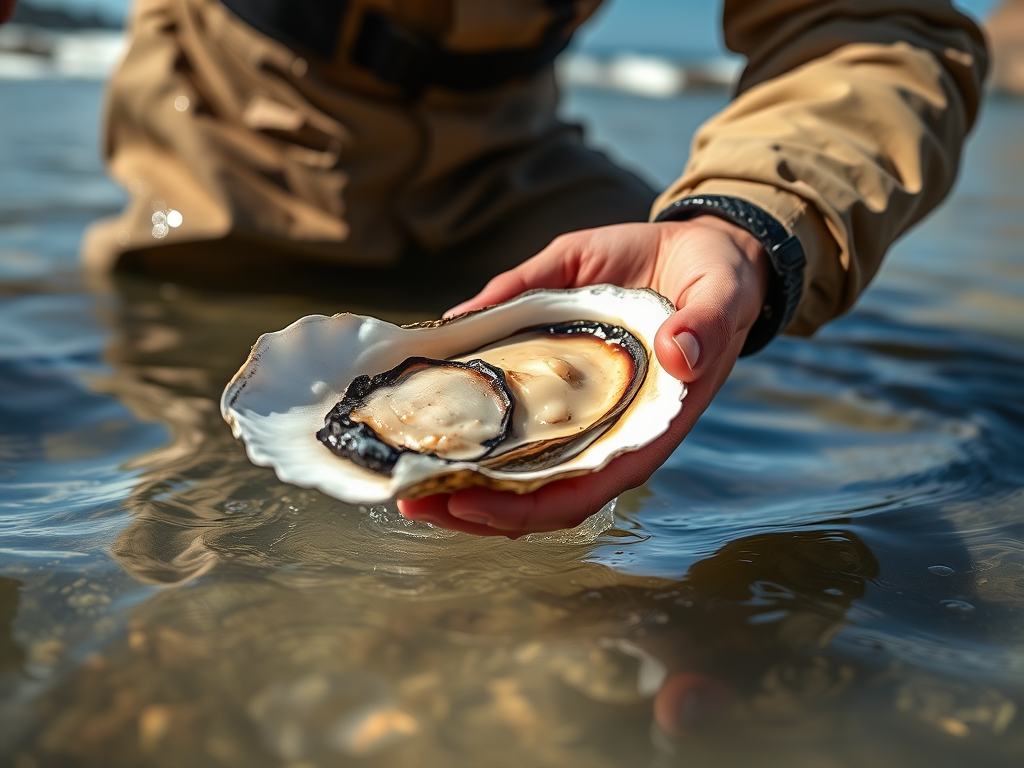
If you want the full immersion, book a wading farm tour and eat oysters minutes after they’re lifted from the lease. It’s cold, briny, unforgettable—and it explains why this region has the mystique it does. experiencecoffinbay.com.au
Famous Contenders: Belon, Ostra Regal, and Bluff
Belon (France, Ostrea edulis)
The canonical European flat. Many are refined in or near Brittany’s Bélon River for that unmistakable mineral “bite.” Scarcity and tradition keep them in the luxury conversation, especially at old-school Paris bars that treat oysters like treasures. huitrerie-regis.com
Ostra Regal (French-Irish)
A premium house line from La Famille Boutrais, grown on Irish leases with French know-how. Deep cups, impressive meat ratio, polished sweetness—chefs love the consistency. Classic Fine Foods
Bluff (New Zealand, Ostrea chilensis)
Short season, feverish national demand, and an annual festival that sells out—Bluff oysters are a pilgrimage item for umami lovers. If you’re timing a trip, plan around the festival calendar. bluffoysterfest.co.nz
For more information on the different types of oyster species, check out The 5 (Most Common) Oyster Species and The 200 Others You Haven’t Heard Of!
Stunning Facts You Won’t Believe
- Giants are real: special-run Coffin Bay “Kings” can reach around a kilo including shell—they’re plated solo like a main event, not by the dozen. grabyourfork.blogspot.com
- Ultra-large oysters take years to size up, tying up lease space and farmer risk the entire time.
- The best farm tours put you in the water at semi-submerged tasting tables—peak freshness, zero fuss. experiencecoffinbay.com.au
- Proper hinge-entry shucking preserves liquor and dramatically improves flavor clarity.
- Merroir matters: the same species can taste wildly different bay to bay.
- Flats (Belon-type) are slower and rarer than common Pacifics, which fuels their cult status.
- Cold, steady conditions often align with peak flavor—seasonality still rules.
- A thoughtfully chewed oyster reveals layers: saline, mineral/metallic, sweetness, then the finish.
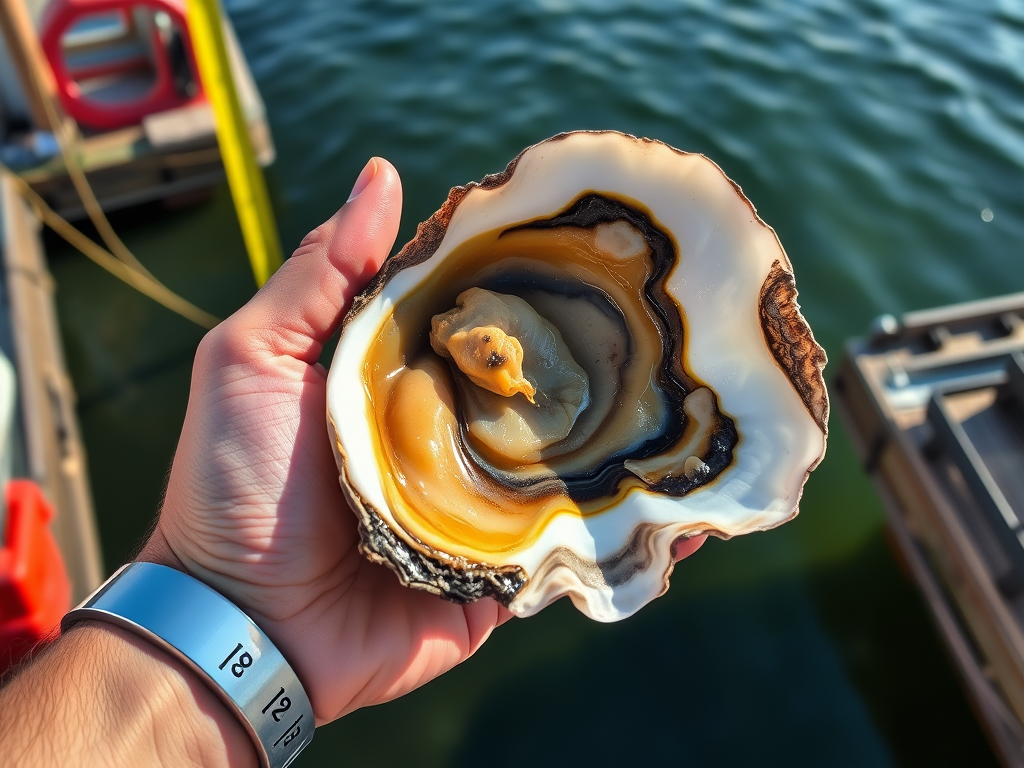
Who Actually Buys Luxury Oysters
Chefs chasing consistency and provenance. Gourmets who “collect” merroirs the way others collect wine regions. And yes, storytellers—restaurants and travelers—who value the theater as much as the taste. Scarcity, seasonality, and curation keep demand strong.
Should You Try Them?
Pros: unforgettable flavor depth; a vivid sense of place; a story you’ll tell for years.
Cons: real money; limited availability; “bigger” doesn’t always mean “better” for every palate.
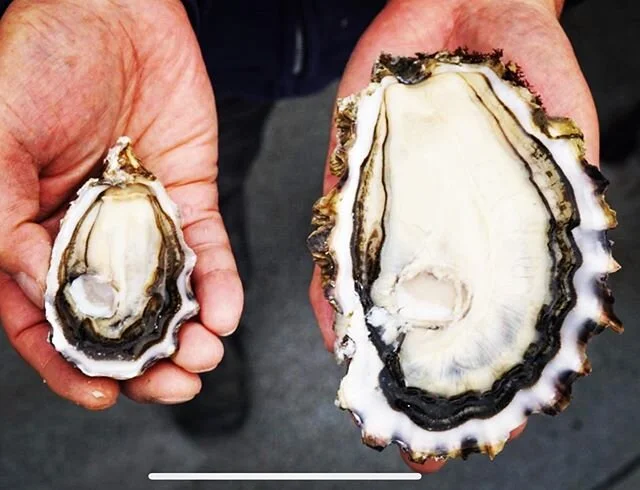
If you’re new, start with a flight—petite to large—then decide whether to climb to the summit experiences.
FAQs (plain text)
- Q: How much do Coffin Bay oysters really cost?
A: Typical farm-gate collection drops are about A$80–A$90 for a five-dozen bag. The “$100 each” stories refer to rare, ultra-large King oysters sold as a novelty, not everyday pricing. - Q: What makes luxury oysters expensive?
A: Slow growth, limited lease capacity, meticulous handling, merroir (water conditions), seasonality, and small curated allocations. - Q: Are Coffin Bay “Kings” the same as regular Coffin Bay oysters?
A: No. Kings are ultra-large, slow-grown showpieces sold singly. Regular Coffin Bay oysters are standard sizes sold by the dozen or by the bag. - Q: Where can I taste the most famous oysters?
A: Coffin Bay farm tours in South Australia; classic Paris and Brittany raw bars for Belon; and Southland/Bluff in New Zealand during the seasonal festival period. - Q: Are luxury oysters sustainable?
A: Oyster aquaculture generally benefits waterways. Choose producers with clean-water stewardship, traceability, and responsible harvest limits. - Q: Is bigger always better?
A: Not always. Giants are dramatic and richer; many connoisseurs prefer petite oysters for crisp, bright profiles. - Q: What’s the best way to taste an oyster?
A: Smell first, sip the liquor, then chew slowly to catch salinity, mineral notes, sweetness, and finish. Compare a flight from mild to intense. - Q: How should I pair drinks with oysters?
A: Brut nature sparkling, Chablis or Muscadet, fino sherry, or very dry cider. Avoid sweet or heavily oaked pairings. - Q: How do I book a farm tour?
A: Check producer sites or regional tourism pages for Coffin Bay, Brittany, or Bluff. Tours are seasonal and often sell out—reserve ahead. - Q: Any shucking safety tips?
A: Use a short, stiff oyster knife and a cut-resistant glove. Enter at the hinge, twist gently, and keep the liquor in the cup.
Where to Taste the Legends
- Coffin Bay, South Australia: Book a wading tour; watch producer pages for collection drops and special releases. experiencecoffinbay.com.au
- Paris & Brittany, France: Seek classic counters renowned for flats refined in/near the Bélon. huitrerie-regis.com
- Southland & Bluff, New Zealand: Plan around the Bluff Oyster & Food Festival; tickets and rooms go fast. bluffoysterfest.co.nz
Bottom Line
“Most expensive oyster” is less a fixed title than a moving spotlight—sometimes on a rare giant, sometimes on a tiny, perfect flat. If you want the real story, go to the source: taste in season, taste at the farm when you can, and let the merroir do the talking.
Discover more from The Oyster Encyclopedia
Subscribe to get the latest posts sent to your email.