

How do we do our part in something as vast as marine ecosystem conservation? The oceans are home to a vast array of species, but human activities such as overfishing, pollution, and habitat destruction are causing significant biodiversity loss, disrupting ecosystems and the balance of marine life. Climate change and ocean acidification, driven by rising carbon dioxide levels, harm marine organisms and ecosystems, leading to the bleaching of coral reefs and the melting of polar ice caps. Overfishing and destructive fishing practices threaten fish stocks and compromise global food security, impacting the livelihoods of millions of people who depend on fishing.
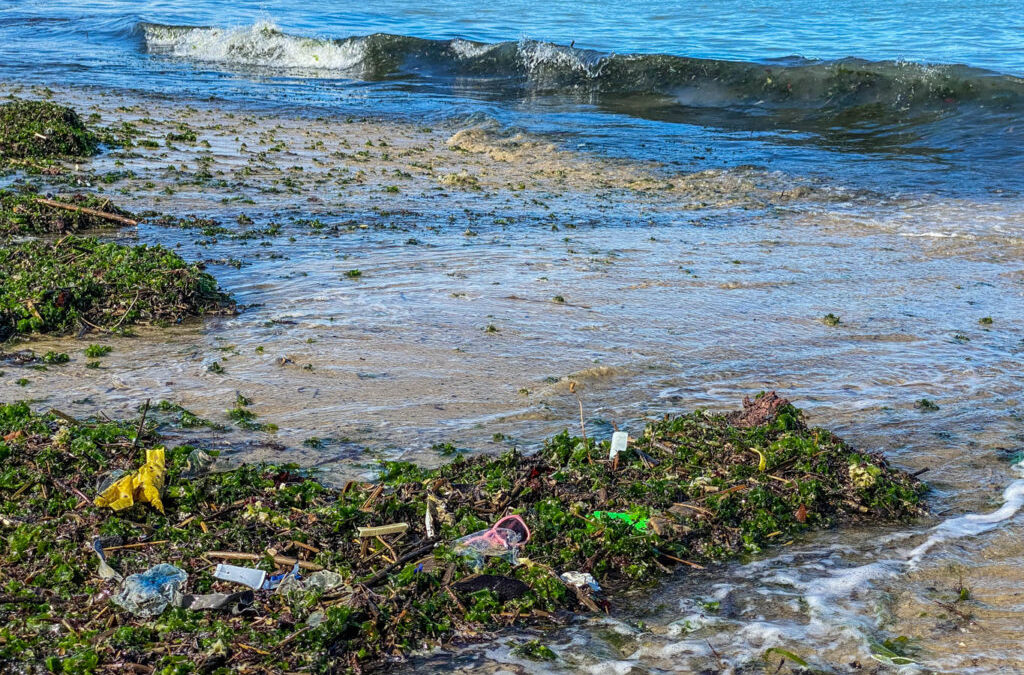
Plastic pollution has become a global crisis, with single-use plastics and discarded fishing gear harming marine life and infiltrating the marine food chain. Healthy marine ecosystems, like coral reefs and mangroves, provide natural protection against storms and coastal flooding, but their degradation leaves coastal regions vulnerable. Economically, the oceans are crucial, supporting industries such as fisheries, tourism, shipping, and offshore energy extraction. Coastal communities depend on healthy oceans for their livelihoods and cultural heritage. The decline of marine resources and coastal ecosystems can have far-reaching socioeconomic consequences.
Preserving our oceans is essential for a healthy planet, protecting biodiversity, ensuring sustainable fisheries, mitigating climate change, and securing the well-being of present and future generations. Immediate action is needed at all levels to address these threats and implement effective conservation measures.
5 Reasons We Need To Act on Marine Ecosystem Conservation
Marine ecosystems hold immense significance for both the environment and human life. Here are some key points highlighting their importance:
Biodiversity and Species Interdependence
Marine ecosystems are incredibly diverse, housing a wide array of species ranging from microscopic plankton to majestic whales. This biodiversity plays a critical role in maintaining ecosystem balance and resilience. Each species, no matter how small, contributes to the intricate web of life in the oceans. The interdependence among species ensures the health and functionality of the ecosystem as a whole.

Climate Regulation and Carbon Sequestration
Oceans are a vital component of the Earth’s climate system. They act as a massive sink for carbon dioxide (CO2) and play a crucial role in regulating global climate patterns. Marine plants, such as phytoplankton, absorb CO2 through photosynthesis, helping to mitigate the impacts of greenhouse gas emissions. Additionally, oceans absorb and distribute heat, influencing weather patterns, ocean currents, and regional climates.
Economic Importance and Human Livelihoods
Coastal communities around the world heavily rely on marine ecosystems for their livelihoods. Fisheries and aquaculture provide a significant source of income and food security for millions of people. The fishing industry, including commercial and subsistence fishing, supports jobs, sustains local economies, and contributes to global food supplies. Marine tourism, including activities like snorkeling, scuba diving, and whale watching, generates substantial revenue for coastal regions.
Nutrient Cycling and Oxygen Production
Marine ecosystems are intricately involved in nutrient cycling, where organic matter and nutrients are recycled and redistributed. This process supports the growth of phytoplankton and other primary producers, forming the foundation of the marine food web. Moreover, marine plants, particularly photosynthetic organisms like phytoplankton and seaweeds, produce a significant portion of the Earth’s oxygen, playing a vital role in maintaining atmospheric oxygen levels.
Medicinal and Pharmaceutical Potential
Marine organisms hold tremendous potential for the development of new medicines and pharmaceuticals. Many marine species, such as sponges, corals, and algae, produce bioactive compounds that exhibit unique properties with potential applications in treating various diseases, including cancer, viral infections, and neurological disorders. Exploring and understanding marine biodiversity can lead to valuable discoveries in the field of medicine.
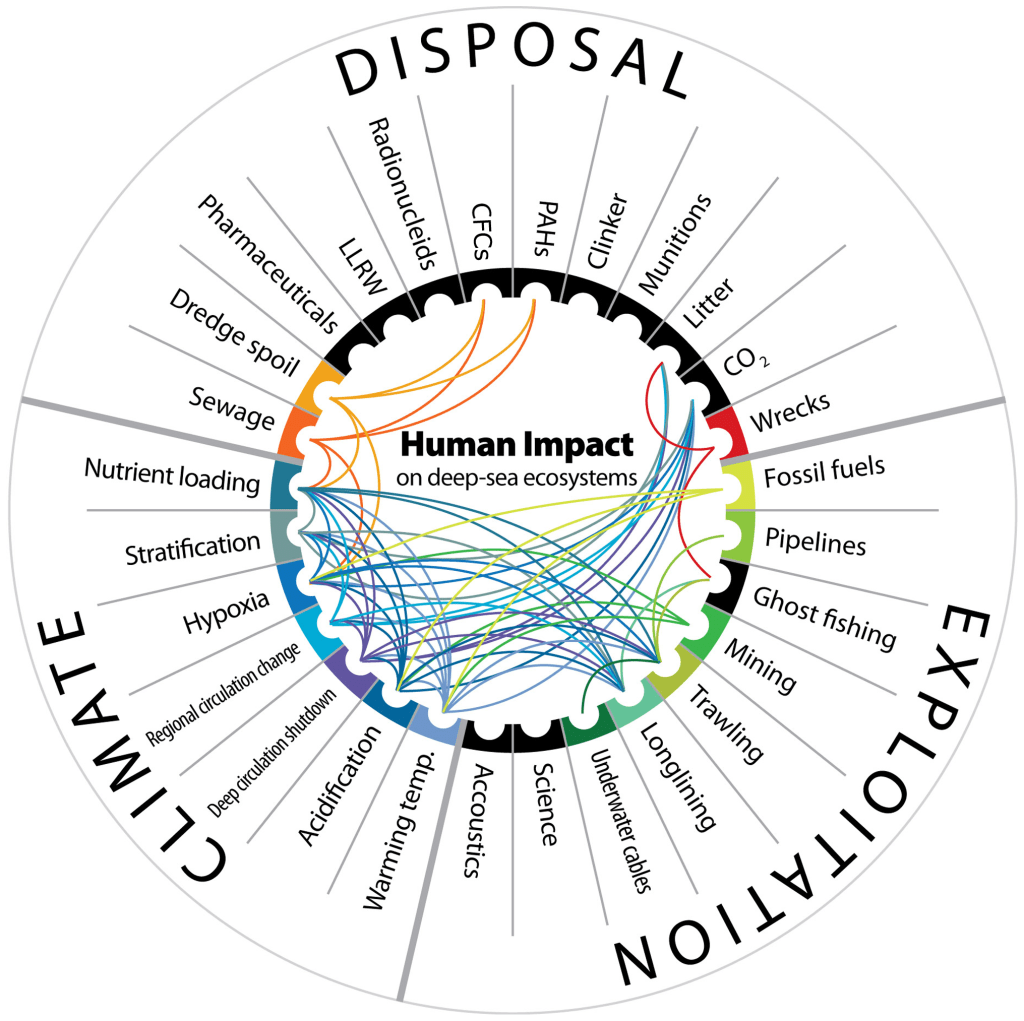
Marine Ecosystem Conservation is vital for maintaining their ability to regulate climate patterns and continue serving as carbon sinks. By reducing greenhouse gas emissions and implementing sustainable practices, we can help mitigate climate change and support the oceans’ capacity to regulate the Earth’s climate and sequester carbon dioxide.
It is crucial to recognize and protect the significance of marine ecosystems for the well-being of both the natural environment and human society. Preserving their integrity and implementing sustainable management practices are essential for the continued provision of ecosystem services, economic benefits, and a healthy planet for future generations.
More of the latest news and updates!
- How to Shuck Oysters Safely (Without Turning It Into a Band-Aid Hobby)
- Best Cut-Resistant Gloves for Oyster Shucking (Chef-Tested Safety Picks)

- Are Oysters Good for You? A Complete, Evidence-Based Guide
- The Definitive Best Oyster Knives of 2026
- The Raw Bar Bible — Oyster Knives, Technique, Safety, and Chef-Level Mastery



Discover more from The Oyster Encyclopedia
Subscribe to get the latest posts sent to your email.