

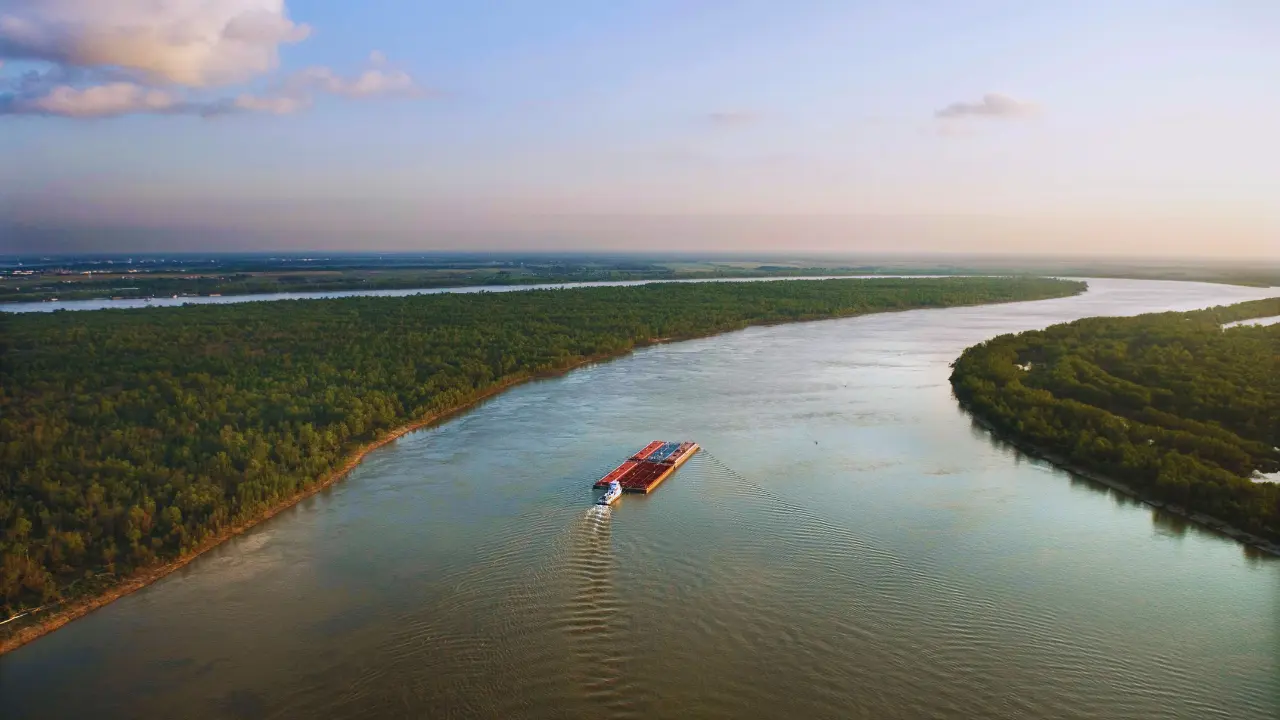
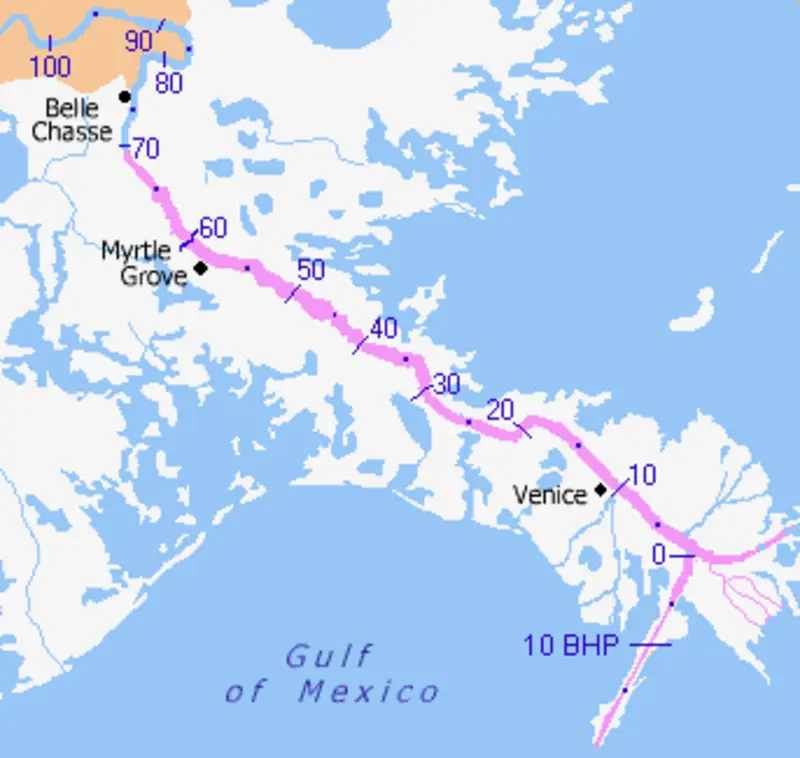
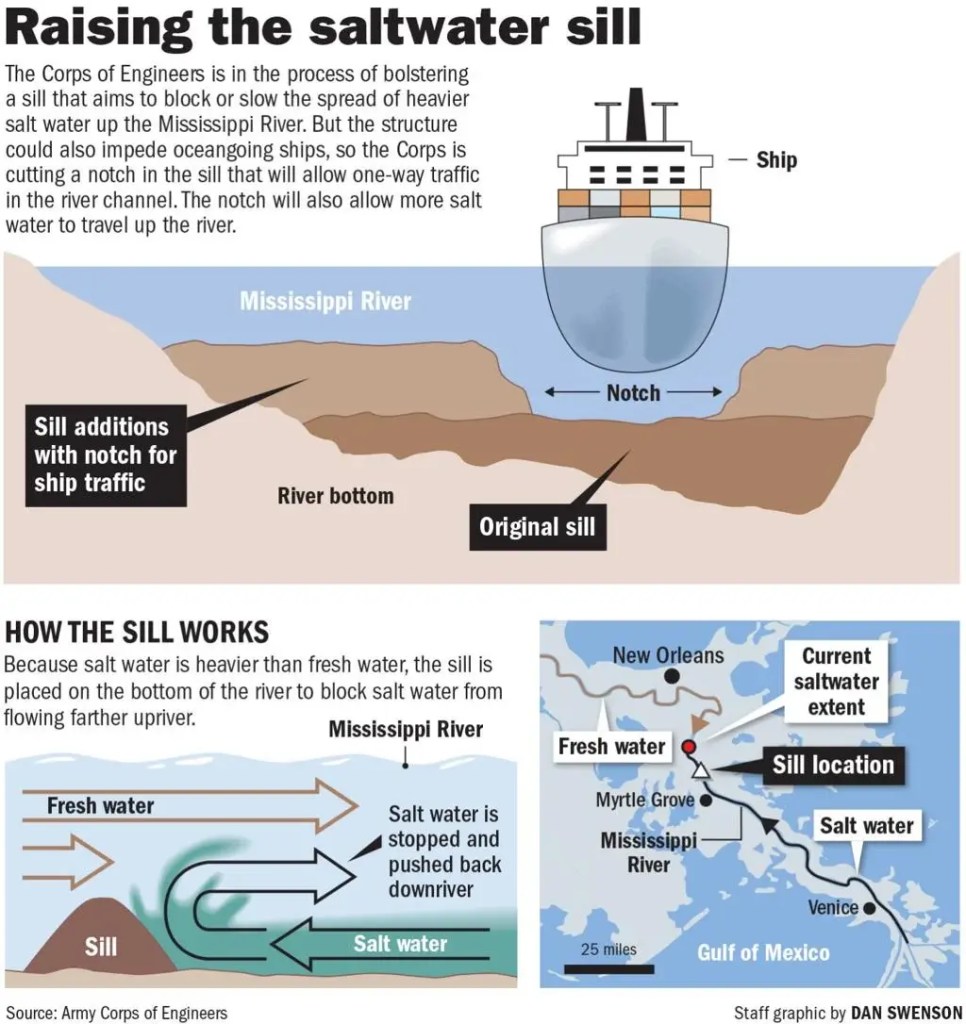
Louisiana is currently experiencing a significant saltwater wedge intrusion event, where saltwater from the Gulf of Mexico is moving up the Mississippi River. This phenomenon, known as a “saltwater wedge,” occurs when denser saltwater pushes beneath the less dense freshwater, creating a wedge-shaped layer that advances upriver. The saltwater wedge has been moving upstream, threatening communities’ drinking water supplies along the river, including New Orleans.
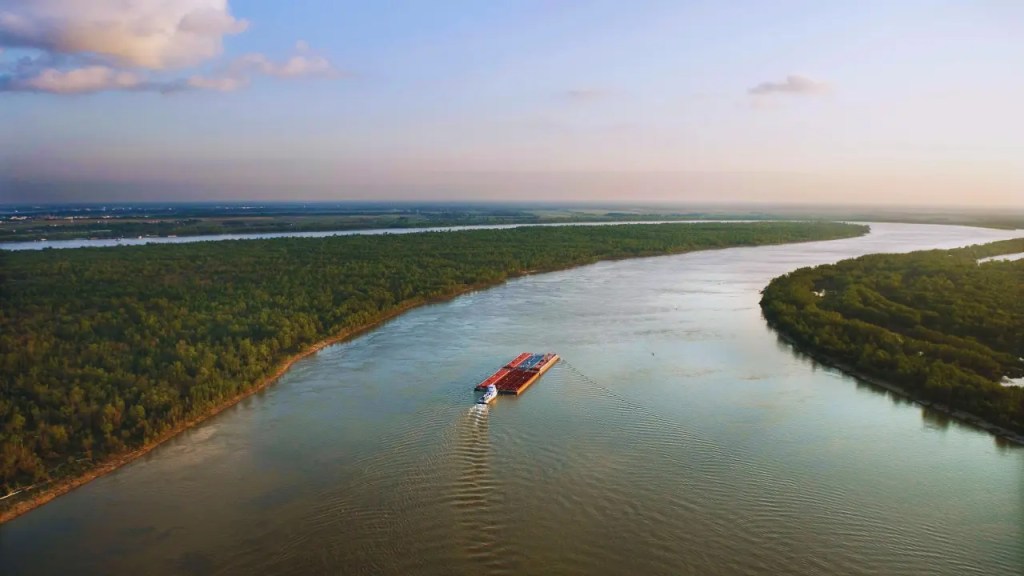
The Benefits of The Saltwater Wedge for Louisiana Oysters
The recent saltwater influx, or salt wedge, in 0.211 Louisiana has notably impacted the local oyster industry. This phenomenon, where denser saltwater from the Gulf of Mexico pushes up into the Mississippi River, has created conditions that are particularly favorable for oyster growth and health. Here’s a detailed look at how this saltwater influx benefits oysters:
Optimal Salinity Levels
Oysters thrive in brackish water, fresh and saltwater. The salt wedge increases the salinity in Louisiana’s estuaries, creating an ideal oyster environment.` Higher salinity levels are beneficial for several reasons:
- Enhanced Growth: Oysters grow best in water with higher salinity. The increased salinity from the salt wedge promotes faster and healthier growth of oysters, leading to larger and more robust populations.
- Improved Flavor: Oysters from saltier waters tend to have a brinier taste, which consumers highly prize. The salt wedge has led to the production of brinier oysters, enhancing their flavor profile and making them more desirable in the market.
- Growth Rates: Higher salinity levels generally support faster growth rates in oysters. For example, oysters in higher salinity habitats (downbay) exhibit more rapid growth. On the other hand, in lower salinity habitats (upbay), which act as refugees from predation and disease but slow growth. Studies have shown that oyster growth rates are highest in salinities ranging from 15 to 30 ppt. There are significant reductions in growth at salinities below ten ppt.
- Filtration Rates: Salinity also affects the filtration rates of oysters. Oysters exhibit optimal filtration rates at salinities between 25 and 35 ppt. Filtration rates decrease significantly at salinities below 15 ppt and above 40 ppt, indicating stress and reduced feeding efficiency.
- Survival and Mortality: Oysters can survive in a wide range of salinities. The extremely low or high salinities can lead to increased mortality. Salinities below five ppt and above 35 ppt cause higher mortality rates due to physiological stress.
Environmental Benefits
Oysters are filter feeders, meaning they filter water to obtain food, including plankton and other small particles. The increased salinity has several environmental benefits that indirectly support oyster health:
- Water Filtration: Oysters can filter large volumes of water, removing excess nutrients and improving water quality. This process helps maintain a healthy aquatic environment, crucial for oyster survival and growth.
- Habitat Creation: Oyster reefs provide habitat for a variety of marine organisms. The healthier and more extensive oyster populations from the salt wedge contribute to creating these vital habitats. This process helps in supporting biodiversity in the estuaries.
Economic Impact
The improved conditions for oyster growth have significant economic implications for the local industry.
- Increased Harvests: The favorable conditions have led to a boost in oyster populations. For instance, in 2023, there was a 95% year-over-year increase in adult oysters ready for harvest on public reefs. Compounded with a 148% increase in seed oysters, which are the next generation growing.
- Market Demand: The enhanced flavor and quality of the oysters have increased their market demand. This boost in demand can lead to higher sales and better profit margins for oyster farmers.
Challenges of The Saltwater Wedge
The saltwater influx in Louisiana poses several significant challenges, including:
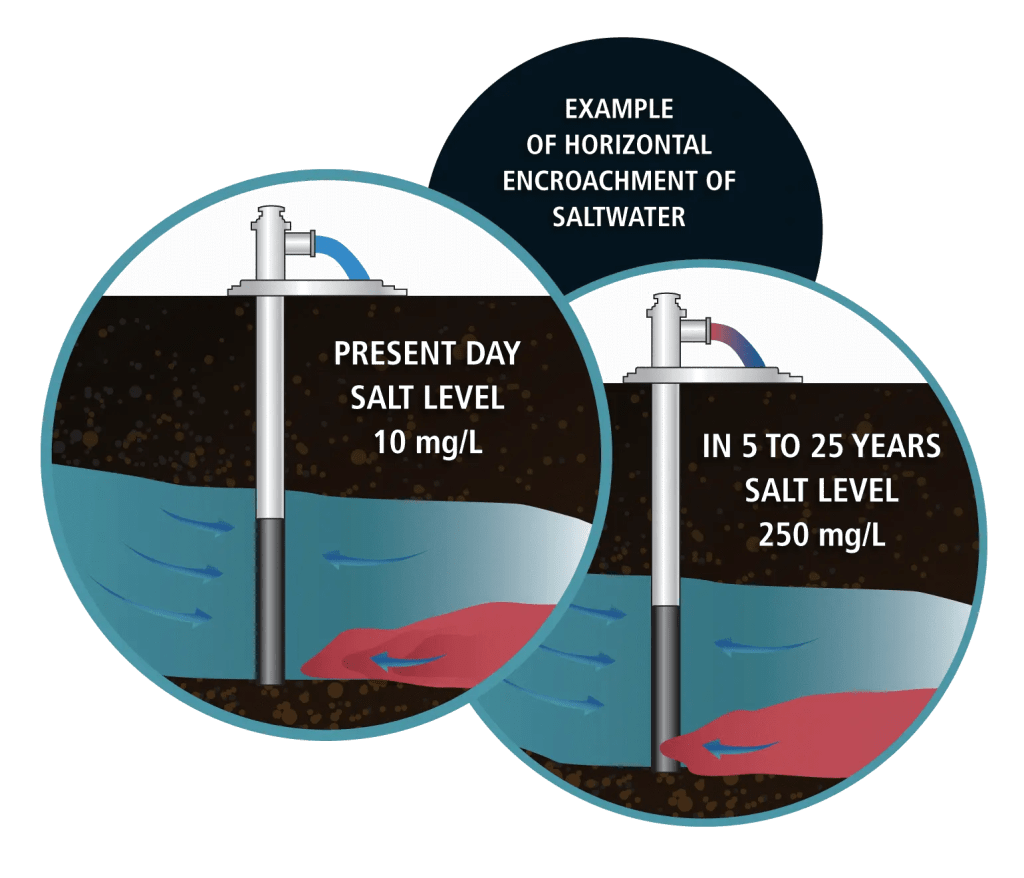
- Drinking Water Contamination: The primary concern is the contamination of drinking water supplies for communities along the Mississippi River, including New Orleans. High salinity levels can make the water unsafe for consumption, especially for vulnerable groups like those with kidney disease, hypertension, infants, and pregnant women. Saltwater can corrode pipes and water infrastructure. Therefore potentially leaching heavy metals like lead into the water supply and posing additional health risks.
- Strain on Local Agriculture: Increased salinity in irrigation water can stress crops and inhibit root growth. It also reduces water and nutrient absorption, and decreases agricultural productivity. Salt accumulation in the soil over time can degrade soil structure, making it challenging to grow various crops. The citrus industry is a significant part of Louisiana’s agriculture. This is particularly vulnerable, as saltwater can kill citrus seedlings and damage mature trees.
- Infrastructure Damage: The corrosive properties of saltwater pose a threat to the integrity of our main infastructure. Systems like plumbing, appliances, water treatment systems, and industrial equipment. This issue 6can result in escalated maintenance expenses and the risk of equipment failure.
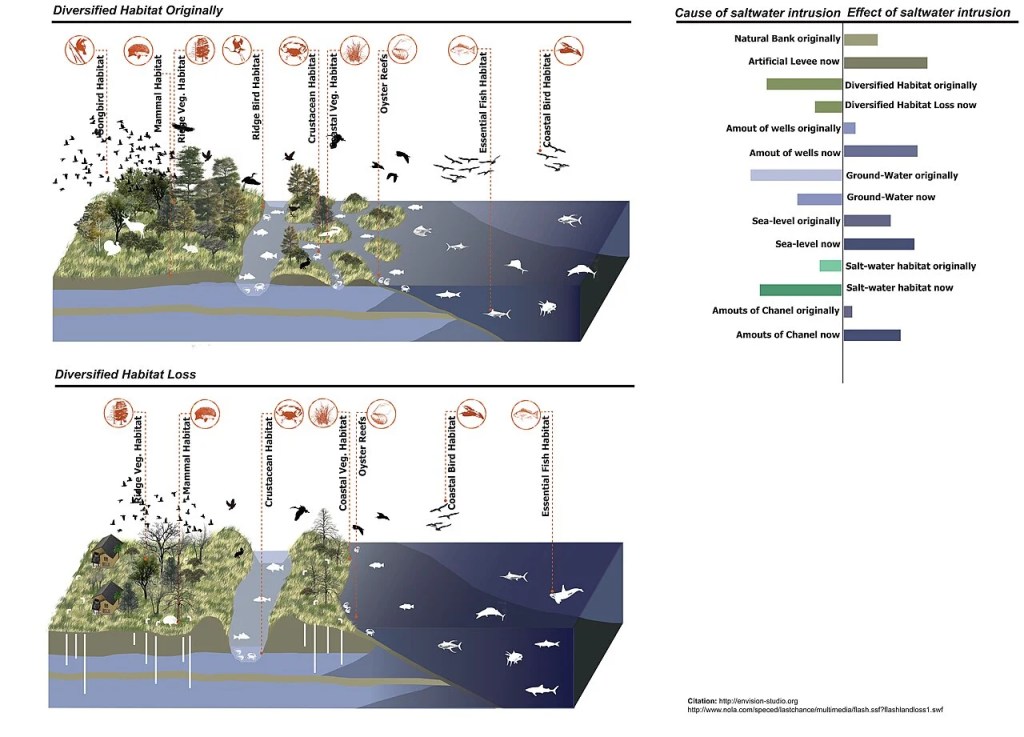
- Ecosystems at Stake: Saltwater intrusion can disrupt the delicate balance of freshwater, saltwater, and brackish water ecosystems. As a result, harming various fish species and other aquatic life . Wetland degradation and increased erosion are potential long-term consequences of prolonged saltwater exposure.
- The Citrus Industry: The citrus industry is a significant economic driver in some regions. This industry faces potential losses due to crop damage and reduced productivity. Other water-intensive industries, such as refining, may also be affected by saltwater intrusion.
- Logistical Challenges: Providing alternative water sources, such as bottled water distribution, reverse osmosis systems, and freshwater barging, is logistically complex and costly. Constructing temporary pipelines, desalination units, and other infrastructure to mitigate the impacts is expensive and time-consuming.
The Bottom Line
The saltwater influx in Louisiana is a complex issue driven by natural and human factors, including drought, river channel deepening, climate change, and industrial activities. While the saltwater wedge poses significant challenges to drinking water supplies, agriculture, and infrastructure, ongoing mitigation efforts aim to address these impacts and ensure the resilience of affected communities. Knowing and dealing with the reasons for and effects of saltwater intrusion is essential for Louisiana’s environment and economy in the long run.
By addressing these challenges through comprehensive planning and adaptive strategies, Louisiana can mitigate the adverse effects of saltwater intrusion and protect its vital resources. The ongoing efforts to manage this issue highlight the importance of collaboration between government agencies, local communities, and industry stakeholders. As we continue to monitor and respond to these changes, we must remain vigilant and proactive in safeguarding the health and well-being of Louisiana’s residents and ecosystems.
Discover more from The Oyster Encyclopedia
Subscribe to get the latest posts sent to your email.