

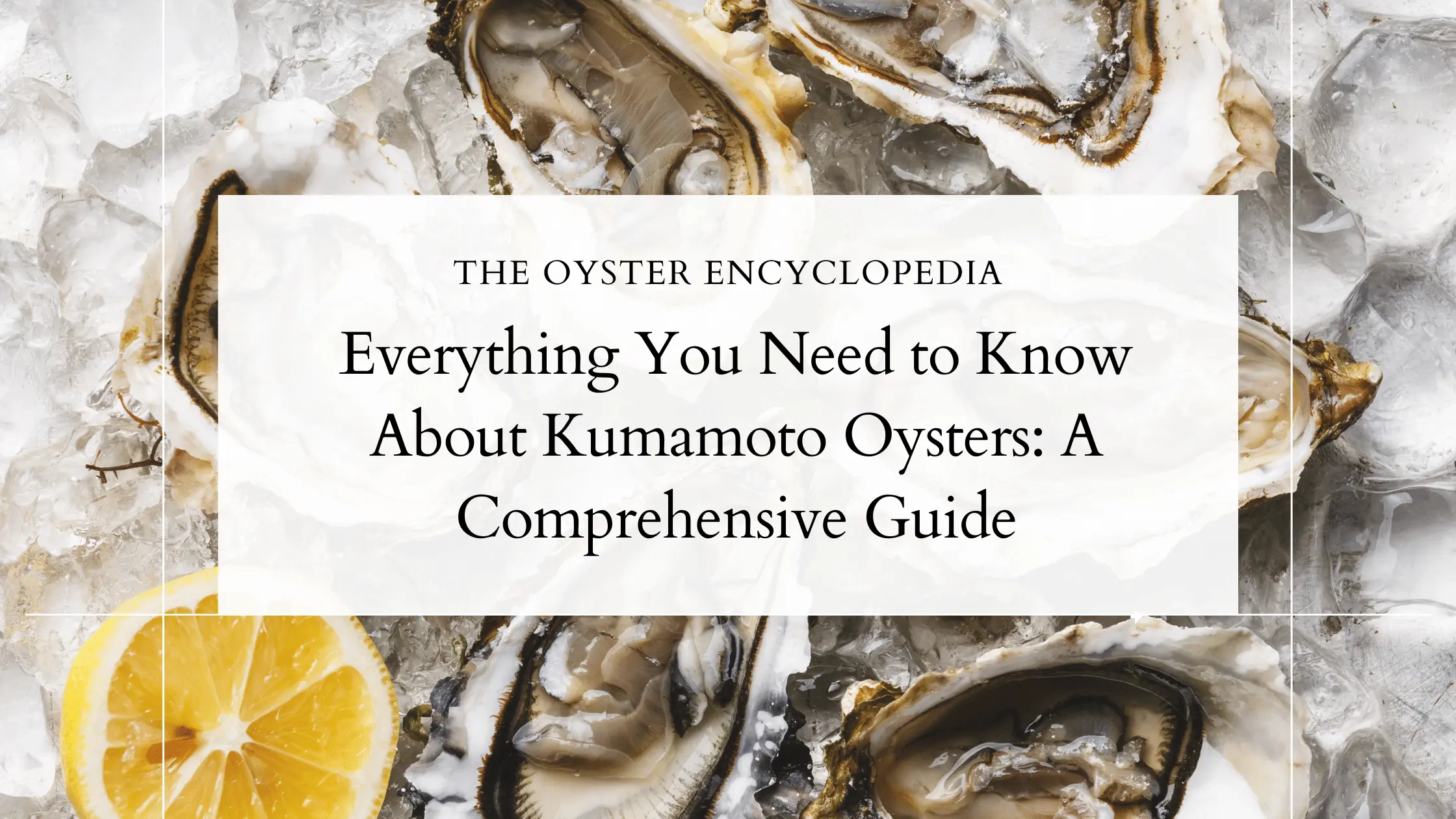
Nestled within the rich tapestry of the ocean’s bounty lies a culinary treasure that has captured the hearts and palates of oyster connoisseurs worldwide—the Kumamoto oyster. This petite and elegant bivalve, native to the coastal regions of Japan, is celebrated for its unique and refined attributes. Join us on a captivating journey as we immerse ourselves in the world of Kumamoto oysters, exploring every facet of their existence, from their distinctive appearance to their extraordinary taste and intriguing biology.
Kumamoto oysters are, in many ways, nature’s work of art. Their shell, unlike the irregular contours of some oyster varieties, is perfectly sculpted, boasting an exquisite oval or pear-shaped form. The gentle, whitish-grey hue of their shells encases a pristine, snowy white interior. What sets Kumamotos apart, beyond their aesthetics, are their formidable adductor muscles—a vital defense mechanism that enables them to seal their shells tightly when danger lurks. These oysters are not only a treat for the palate but also a visual delight, embodying the harmony of form and function.
Beyond their appearance, Kumamoto oysters have earned their place in the culinary world for their exceptional taste. Their flavor profile is a revelation—subtly sweet, mildly fruity, and delicately briny. Each bite offers a journey through the ocean’s depths, and their unique “merroir” infuses their taste with the essence of their local habitat. In the pages ahead, we will unravel the nuances of this exceptional oyster, diving into the secrets of their flavor, the mysteries of their gender-changing abilities, their global distribution, and the conservation efforts that ensure their continued existence. Welcome to the captivating world of Kumamoto oysters.

Kumamoto Oysters Appearance
Kumamoto oysters are a visual delight for both oyster enthusiasts and casual observers. Their shells are a work of natural artistry, boasting a consistently uniform oval or pear-shaped design. This regularity sets them apart from other oyster varieties, which often exhibit irregular contours. The shells themselves are characterized by a soft, whitish-grey hue, creating an understated yet elegant exterior. When you open a Kumamoto oyster, you’ll discover a pristine interior, gleaming with a snowy white color. This aesthetic perfection is not just for show; it’s an essential part of the Kumamoto’s survival strategy.
One of the most distinctive features of Kumamoto oysters is their formidable adductor muscles. These muscles are responsible for keeping the oyster’s shell tightly sealed, offering protection against potential threats like predators or changing environmental conditions. When danger lurks, Kumamotos can quickly clamp shut, safeguarding their delicate inner world. This exceptional shell design and muscular strength not only contribute to their survival but also enhance their culinary appeal, making them a favorite among chefs and oyster aficionados.
Taste
The real magic of Kumamoto oysters lies in their flavor. These petite bivalves offer a sensory experience like no other. When you savor a Kumamoto oyster, you’re greeted with a complex and delightful taste profile. Their flavor is often described as delicately sweet, mildly fruity, and gently briny. This unique combination of taste elements is what sets Kumamotos apart from other oyster varieties. It’s a taste that lingers on the palate, leaving a lasting impression.
What makes Kumamoto oysters even more intriguing is the concept of “merroir.” Similar to how terroir affects the taste of wine, merroir refers to the influence of the oyster’s local habitat on its flavor. Kumamoto oysters have an uncanny ability to capture the essence of their surroundings. This means that Kumamotos grown in different coastal regions may exhibit subtle variations in taste, reflecting the distinctive characteristics of the waters they inhabit. It’s a fascinating journey for the taste buds, and exploring these nuances is a rewarding adventure for oyster enthusiasts and foodies alike.

Gender
One of the lesser-known but utterly fascinating aspects of Kumamoto oysters is their ability to change their gender. These remarkable bivalves are hermaphroditic, meaning they possess both male and female reproductive organs. This unique adaptation allows Kumamotos to switch genders multiple times throughout their lives, providing them with significant reproductive flexibility.
In practical terms, this gender-changing ability contributes to the oyster’s reproductive success. When environmental conditions or population dynamics require it, Kumamotos can shift from producing sperm to eggs or vice versa. This adaptability ensures a higher likelihood of successful reproduction, making them a resilient and adaptable species in the ever-changing marine environment. The gender flexibility of Kumamoto oysters is a testament to the intricacies of nature and the remarkable survival strategies that have evolved over millions of years.
Distribution, Population, and Habitat
Kumamoto oysters have their origins in Japan, where they flourish in the coastal regions, particularly in Kumamoto Prefecture, which gave them their name. In their native habitat, they thrive in intertidal zones, estuaries, and bays. These brackish and nutrient-rich waters provide the ideal conditions for Kumamotos to grow and develop their exquisite taste and appearance.
Beyond Japan, Kumamoto oysters have found new homes in various parts of the world, most notably in North America. Oyster farmers in regions like the Pacific Northwest of the United States have embraced Kumamotos for their unique qualities and adaptability. The global distribution of Kumamoto oysters has expanded their reach, introducing more people to their exceptional flavor and beauty.
Kumamoto Oysters Conservation Status
As of now, Kumamoto oysters are not listed as endangered or threatened. However, it is crucial to recognize that they play a vital role in the broader oyster ecosystem. Many oyster species worldwide face significant threats due to overfishing, habitat degradation, and pollution. Sustainable oyster farming and responsible harvesting practices are essential to ensure the continued well-being of Kumamoto oysters and the preservation of their habitat.
Conservationists and oyster farmers alike are committed to protecting these remarkable bivalves. By promoting responsible aquaculture practices, monitoring water quality, and supporting habitat restoration efforts, they are contributing to the overall health of oyster populations and the ecosystems they inhabit. Kumamoto oysters serve as a reminder of the delicate balance between human consumption and environmental stewardship.
Sustainability
The sustainability of Kumamoto oysters and other oyster species is a growing concern in the world of aquaculture. Oyster farmers are continually seeking ways to reduce their environmental impact and ensure the long-term viability of their operations. Sustainable oyster farming practices include responsible harvesting, minimizing waste, and reducing the carbon footprint of oyster production.
Some oyster farms are taking innovative approaches to sustainability. These include practices like using recycled materials for oyster cultivation structures, employing energy-efficient equipment, and participating in habitat restoration projects. Leaders in the oyster farming industry are at the forefront of these efforts, recognizing that sustainability is not only an ethical imperative but also a smart business strategy. By prioritizing environmental stewardship, they are securing the future of Kumamoto oysters and the oyster industry as a whole.
Kumamoto Oysters Hot Spots
Key Take Aways
In conclusion, Kumamoto oysters are a true jewel of the oyster world. Their exquisite appearance, delicate flavor, and unique characteristics make them a beloved choice among oyster enthusiasts and culinary connoisseurs. As we appreciate the allure of Kumamoto oysters, let us also recognize the importance of sustainable practices and conservation efforts to ensure that future generations can savor the perfection that is the Kumamoto oyster.
Discover more from The Oyster Encyclopedia
Subscribe to get the latest posts sent to your email.
Pingback: The 5 (Most Common) Oyster Species and The 200 Others You Haven't Heard Of - The Oyster Encyclopedia
Pingback: The Raw Bar Bible — Oyster Knives, Technique, Safety, and Chef-Level Mastery - The Oyster Encyclopedia