


Connecticut University just got a bunch of money for kelp farming? The University of Connecticut has received two federal grants worth about $600,000 towards aquaculture initiatives. The National Oceanic and Atmospheric Administration’s Sea Grant program awarded the grants. The Connecticut Sea Grant has received approximately $600,000 in federal funding. This money will launch two initiatives to strengthen the aquaculture industry’s long-term viability.

Two initiatives are essential for the future of the state’s aquaculture industry. They are enhancing aquaculture education and kelp farming. The National Oceanic and Atmospheric Administration will assess workforce development needs through a two-year project funded by $398,896. It was one of 10 nationwide projects announced on Aug. 15 by the Sea Grant that together will receive $3.3 million for seafood industry workforce support. The two projects demonstrate how the Connecticut Sea Grant is working to support the aquaculture industry in Connecticut.
Connecticut Sea Grant
The Connecticut Sea Grant Aquaculture Program aims to support environmentally and economically sustainable aquaculture in Connecticut and the Northeast. The program addresses the needs of a growing industry through an integrated program of extension, research, outreach, and community engagement. Furthermore, the program offers various resources such as locations selling fresh seafood, outreach and extension activities, and an essential knowledge flyer. Revitalizing the nation’s fisheries and promoting sustainable aquaculture are top priorities for the program. Connecticut Sea Grant fellowships…
The Connecticut Sea Grant offers fellowships and scholarships to support marine research, outreach, and education projects. The National Sea Grant sponsors marine research, outreach, and education projects through the 33 state Sea Grant Programs.
Connecticut Sea Grant received two awards to support sustainable aquaculture businesses and maintain safe coastal environments.
The Connecticut Sea Grant received two federal grants worth about $600,000 towards aquaculture initiatives. The University of Connecticut is planning to provide support for the seaweed industry via mobile labs and training programs.
What is the University of Connecticut planning to do?
The University of Connecticut has received a $600,000 grant for aquaculture projects. The grant will support initiatives to strengthen the aquaculture industry’s long-term viability. The grant will fund research in sustainable aquaculture practices, new species development, and improving the efficiency of operations. Details on projects are not yet available.
Connecticut Sea Grant has received $600,000 in federal funding. The funding will be used for two initiatives. The first initiative will help shellfish farmers improve their operations. The second initiative will study the economic benefits of aquaculture in Connecticut.
The Two New Initiatives
The University of Connecticut will launch two new initiatives with federal grants:
1. Aquaculture education: Enhancing aquaculture education is a crucial initiative to pave the way for sustainable practices and species development in the industry. By developing new courses and training programs, we can educate individuals on the importance of sustainability and innovation in aquaculture.
2. Kelp farming: The other initiative will focus on kelp farming. Kelp is a type of seaweed used in various products, including food, cosmetics, and biofuels. The industry involves researching and testing new techniques for growing kelp in Connecticut’s waters and developing new markets for kelp products.
Overall, these two initiatives are considered crucial to the long-term viability of the state’s aquaculture industry. The federal grants totaling almost $600,000 will help to fund these initiatives.
How Will Kelp Farming Benefit Connecticut?
Connecticut Sea Grant has been awarded a $600K grant for aquaculture projects that will benefit the state in various ways, including the strengthening of the aquaculture industry.
1. Strengthening the aquaculture industry: The grant will fund research and development for sustainable practices, new species, and efficient operations. This will strengthen Connecticut’s aquaculture industry, making it more competitive.
2. Supporting shellfish farmers: The Connecticut Sea Grant will use part of the grant to develop a new program to help them improve their operations. Operational improvement will help increase shellfish production in the state and create new economic opportunities.
3. Conducting economic research: The Connecticut Sea Grant will also use part of the grant to research the economic benefits of aquaculture in Connecticut. This research will help to inform policy decisions and support the growth of the aquaculture industry in the state.
4. Supporting artists: The Arts Support Awards Program is a competitive funding program that offers funding to artists or groups of artists. By supporting the arts community in Connecticut, it ultimately promotes the state’s cultural and economic development.
What is Kelp Farming?
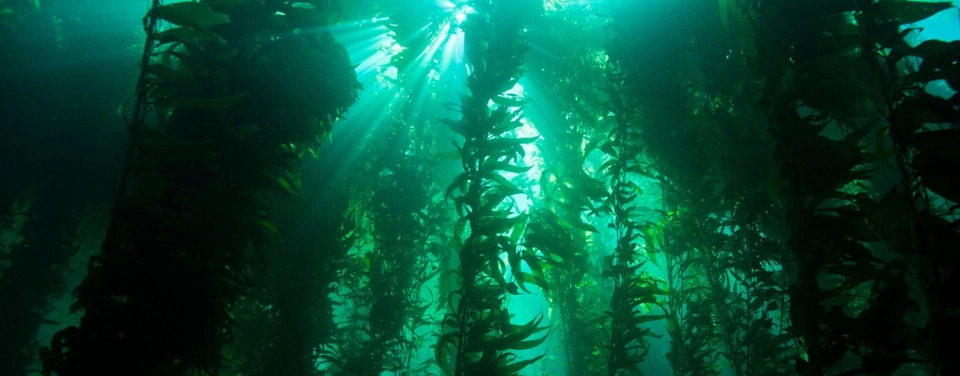
Kelp farming is cultivating and harvesting seaweed or algae for various purposes. Equally important, kelp is a type of large brown marine macroalgae that is native to New England and traditionally used as food.
This type of farming is an environmentally friendly and sustainable method for producing highly nutritious food for a growing population. It does not require fresh water, fertilizer, or pesticides. Kelp farming can provide a habitat that enhances biodiversity and may protect coral reefs by increasing diversity. Nevertheless, It can also increase the production of herbivorous fish and shellfish.
Overall, kelp can be used in various products, such as food, cosmetics, and biofuels. Kelp farming is a fast-growing aquaculture sector, with numerous farms currently operating in New England, the Pacific Northwest, and Alaska, and many more in development. It can potentially combat the climate crisis by generating biomethane and reducing CO2 levels in the atmosphere. Additionally, kelp farming is a sustainable practice that offers various benefits.
Connecticut’s new initiatives go live through various methods
- Aquaculture education initiative:
- Creating courses and training programs on sustainable aquaculture practices and new species development for students and professionals in the industry.
- They are collaborating with educators, aquaculture experts, and practitioners nationwide to educate the public about aquaculture.
- Program participants may include government, business, non-profit, community leaders, and university students.
- Kelp farming initiative:
- To begin with, they are researching and testing new techniques for growing kelp in Connecticut’s waters.
- Secondly, They are developing new markets for kelp products, such as food, cosmetics, and biofuels.
- Not to mention, they are collaborating with educators, aquaculture experts, and practitioners nationwide to educate the public about aquaculture.
The initiatives involve collaborating with educators, business leaders, and others. The initiatives will also include research and development in sustainable aquaculture practices, new species development, and kelp farming techniques.
The grant will fund research in sustainable aquaculture practices, new species development, and improving efficiency of operations. Details on projects are not yet available.
Discover more from The Oyster Encyclopedia
Subscribe to get the latest posts sent to your email.