

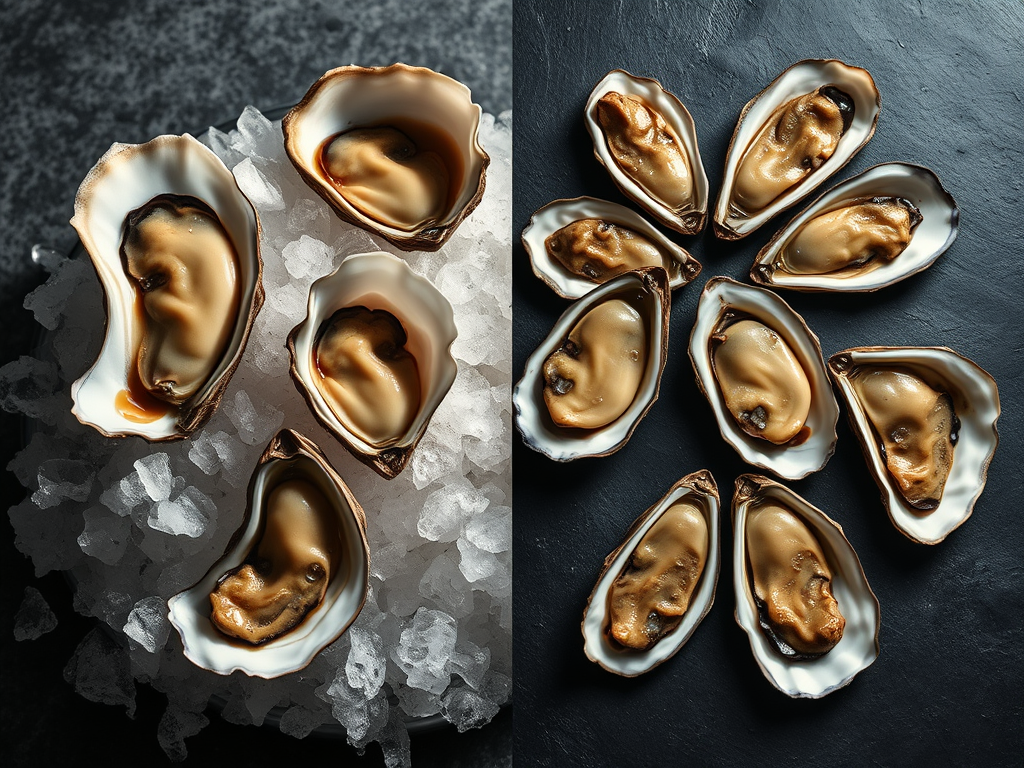
The American oyster world is entering a moment of rare volatility — a collision of public health fears, economic pressure, environmental scrutiny, and regulatory muscle that threatens to restructure how oysters move from water to plate.
For decades, imported oysters have quietly filled gaps in the U.S. market, supplementing domestic harvests during red tide closures, winter shortages, and spawning slowdowns. But in the past year, a handful of high-profile illness reports and growing political pressure have pushed these foreign bivalves into an unexpected spotlight. Now, policymakers are questioning whether the U.S. should restrict — or even ban — oyster imports altogether.
The debate has split the industry down the middle. Farmers, chefs, scientists, environmental groups, wholesalers, and regulators all agree on one thing: a major shift is coming. But what that shift will look like — and who it will help or hurt — is far from settled.
A Growing Chorus for Tighter Controls
In coastal communities from Washington State to the Gulf of Mexico, domestic oyster growers argue that they face stricter oversight, more rigorous vibrio testing, and significantly higher operating costs than many of their international counterparts. They point to inconsistent global regulations, patchy traceability systems, and variable water quality monitoring in several exporting nations.
U.S. growers say they’re not just competing on flavor — they’re competing against entire regulatory environments.

Some environmental groups echo those concerns, noting that international aquaculture standards can vary widely. Not every exporting country tracks carbon output, seabed impact, or cumulative ecosystem stress. Not every region reports closures or water-quality issues in real time.
For these groups, the issue isn’t nationalism — it’s transparency. They argue that the U.S. needs a clearer line of sight into how imported oysters are grown, tested, and shipped.
Enjoying this article? Check out some more related posts!
But Restaurants and Raw Bars See a Different Reality
Inside raw bars from New York to Los Angeles, chefs push back against the idea of sweeping bans.
Imports, they argue, are not competition — they are stability.
During West Coast closures, when Gulf waters warm, or when storms batter the Eastern seaboard, imported oysters fill the gaps that would otherwise leave menus barren and prices skyrocketing.
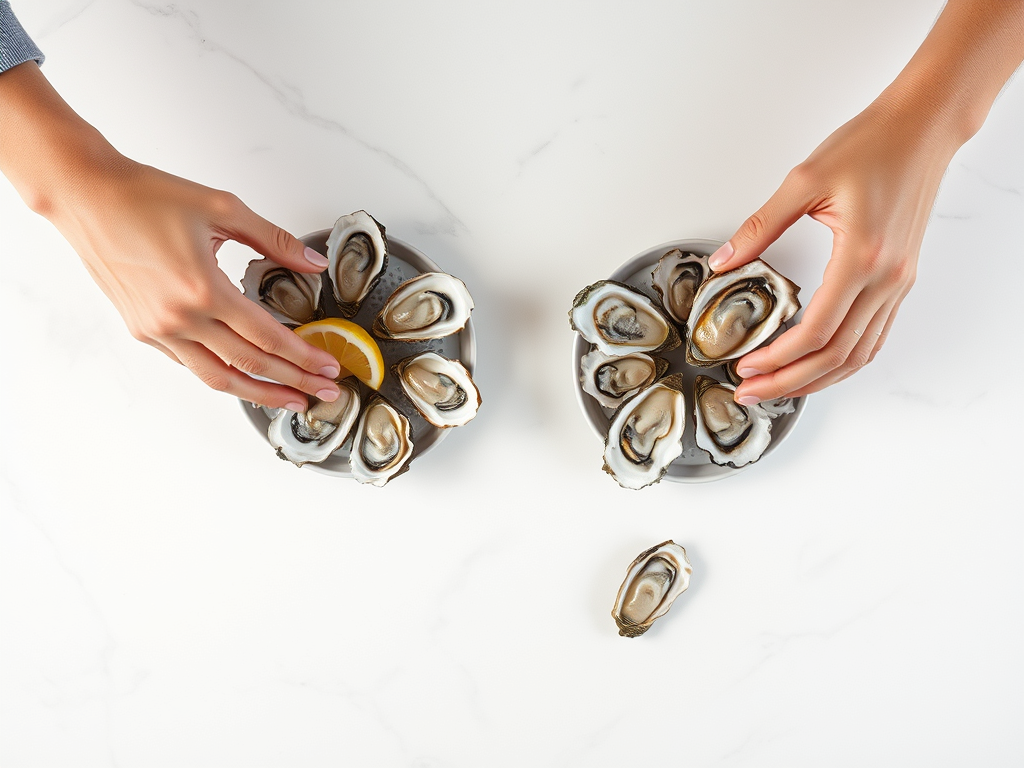
Some of the world’s most iconic oysters — from the French Atlantic to the Tasman Sea — also offer merroir profiles that don’t exist in American waters. Removing them would reduce variety, strip raw bars of their identity, and erode the culinary storytelling that makes oyster programs compelling.
Economists warn that eliminating imports could ripple outward through the global seafood trade, prompting retaliation that affects scallops, mussels, clams, and shrimp. No part of the seafood ecosystem exists in isolation.
The Underlying Problem No One Likes Admitting
Beneath all the political noise lies a simpler truth:
The United States does not produce enough oysters to meet its own demand.
Despite tremendous growth in aquaculture, American farms still face seasonal closures, hatchery bottlenecks, environmental shutdowns, and geographic limitations that prevent year-round production at scale.
Imports are not luxury — they are structural necessity.
A full ban would create supply instability for at least half a decade, possibly longer, before domestic farms could ramp up enough production to compensate. Some regions may never fully catch up.
A Tension Between Safety and Sustainability
Consumers want safe oysters — and rightly so. But they also want affordable oysters, diverse oysters, and oysters available even when local waters close unexpectedly.
That tension has led many industry experts to push for a balanced approach:
stronger import standards, not blanket restrictions.
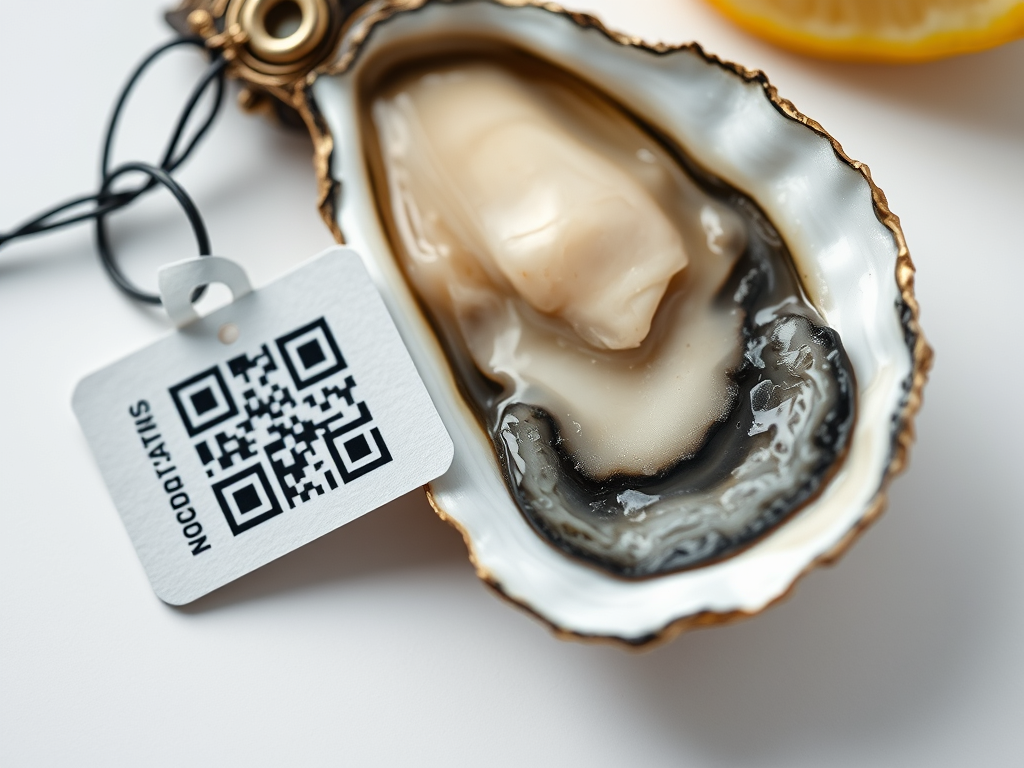
Ideas gaining traction include batch-level traceability, internationally harmonized water testing, seasonal import windows during domestic closures, and region-specific oversight based on historical safety data.
The goal, they argue, isn’t to punish foreign producers. It’s to create a unified, transparent system where every oyster — domestic or imported — is held to the same verifiable standard.
What This Means for Oyster Lovers
For the average oyster eater, the fallout may not be immediate but will be noticeable.
Prices could shift. Seasonal variety may tighten. Menus might lean more heavily on local farms, especially in winter. And raw bars could face new labeling rules that make origin more prominent than ever before.
But the heart of oyster culture in America — an ecosystem built on curiosity, terroir exploration, coast-to-coast diversity, and global connectivity — is unlikely to disappear.
If anything, this moment may drive the industry toward greater transparency, stronger sustainability commitments, and a cleaner supply chain that benefits both domestic growers and responsible foreign producers.
Frequently Asked Questions About Imported Oysters
Are imported oysters safe to eat?
Yes — when sourced from reputable suppliers. However, safety standards vary by country, and some regions have had higher incidences of norovirus or vibrio outbreaks. Improved traceability and testing can significantly reduce risk.
Why are imported oysters controversial right now?
Recent health incidents, uneven global regulations, and economic pressure on U.S. farms have fueled debate. Domestic growers argue they face stricter standards and higher costs while competing with cheaper imports.
Would banning imported oysters raise prices?
Most likely, yes. The U.S. cannot produce enough oysters to meet national demand year-round. Removing imports would tighten supply, especially during seasonal closures, causing higher restaurant and raw bar prices.
Do imported oysters taste different from U.S. oysters?
Absolutely. Imported oysters often come from unique environments and offer distinct merroir profiles — especially from France, New Zealand, Canada, and Mexico. Many restaurants rely on imports to provide variety outside peak U.S. harvesting seasons.
Are imported oysters worse for the environment?
Not necessarily. Some countries have excellent sustainability practices; others are less transparent. The main concern is inconsistent ecological standards and the carbon footprint of long-distance shipping.
What’s the most likely outcome of this debate?
Experts believe the U.S. is leaning toward stricter safety and traceability requirements — not a full ban. Expect tighter labeling, more testing, and seasonal import rules rather than a total shutdown.
How would a ban affect restaurants and raw bars?
Menus would become less diverse and prices would rise. Many restaurants rely on imports during red tide events, storms, or spawning seasons. Without imports, some months would see significant shortages.
The Future of the Oyster World Is Being Written Now
The imported oyster debate is more than a clash over regulations. It’s a referendum on how we value safety, sustainability, and diversity in a seafood category defined by its connection to place.
What happens next — whether through tighter rules, smarter imports, improved global standards, or a policy compromise — will reshape the oyster landscape for years to come.
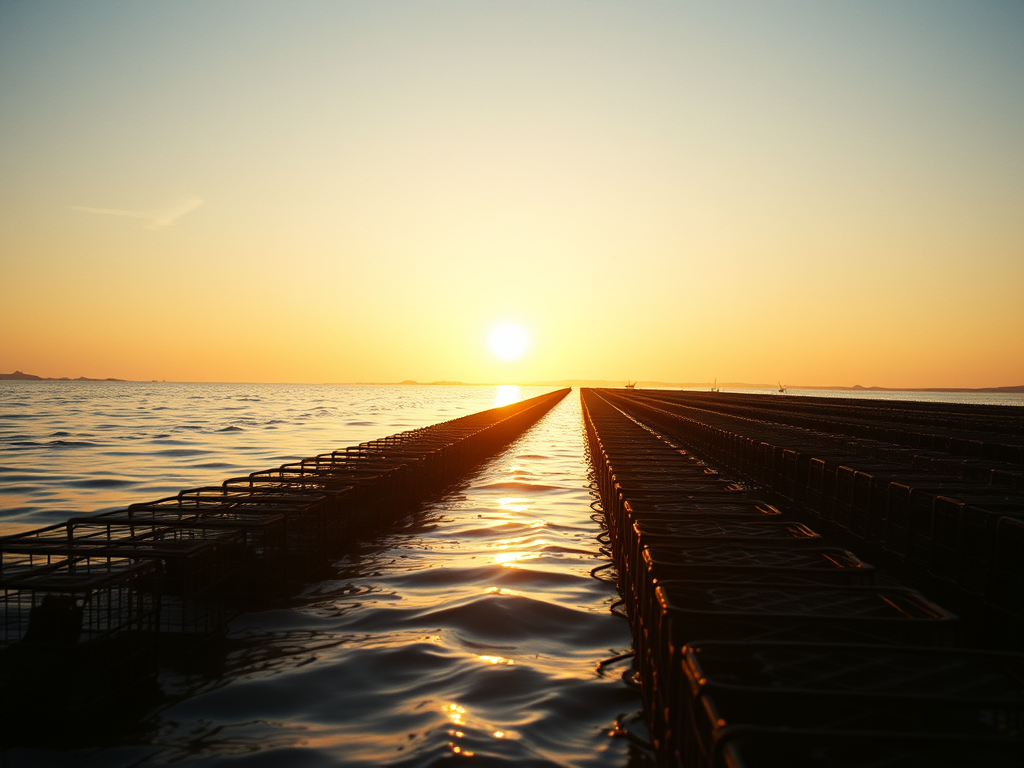
And one truth remains constant:
Oysters thrive when coastlines communicate, not when borders close.
Discover more from The Oyster Encyclopedia
Subscribe to get the latest posts sent to your email.