

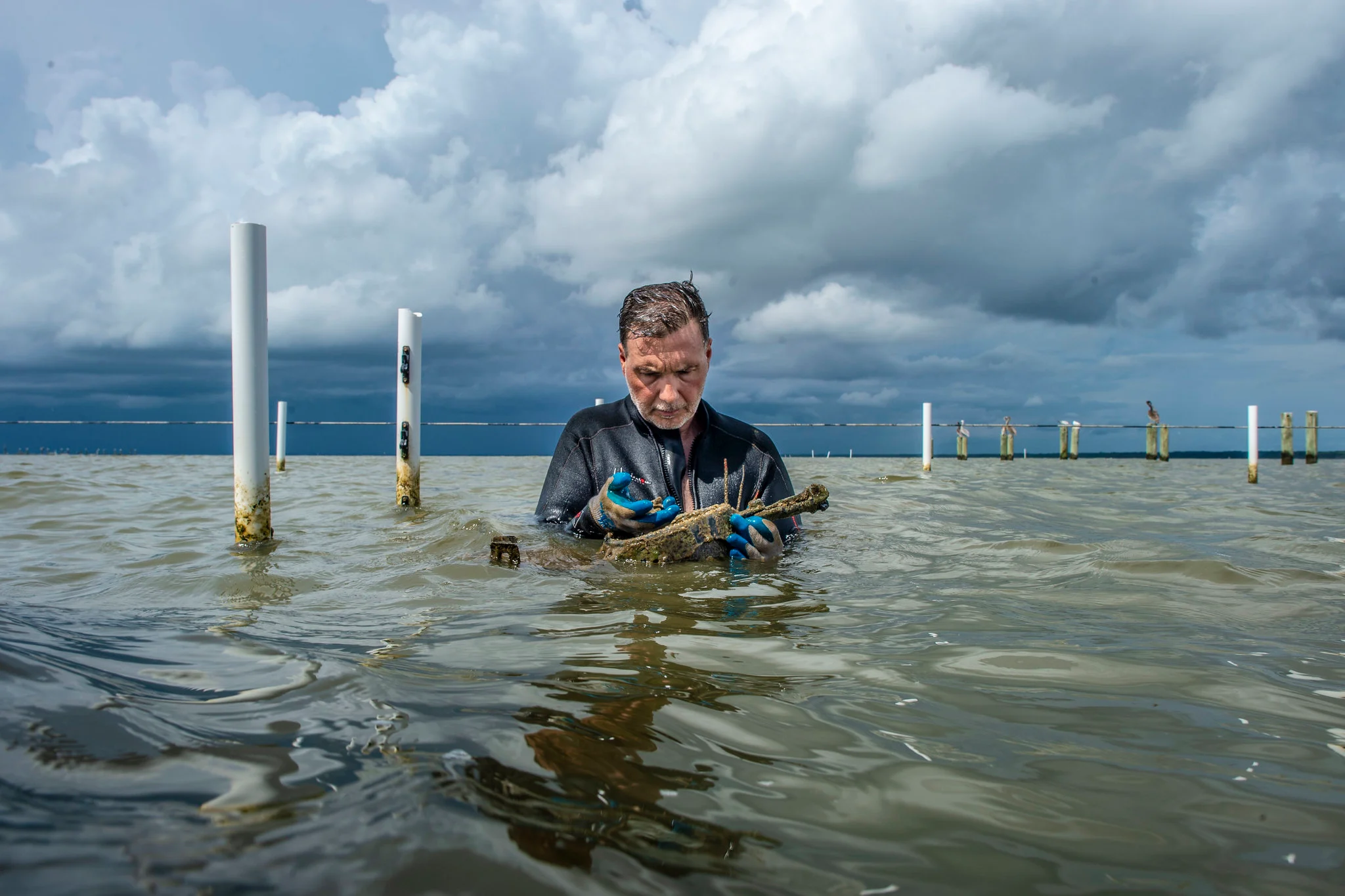
We find ourselves at the edge of the Georgia oyster farming narrative. In the hushed anticipation that precedes a momentous revelation, where the whispers of the ocean hold the secrets of an industry poised for transformation. Today, we unfurl the sails of insight and dive into the long-awaited news that echoes through the maritime corridors – the unfolding chronicle of Georgia’s oyster farming.
A Historical Perspective of The Georgia Oyster Farm
Pre-1980s: Traditional Practices
- Oyster farming in Georgia likely operated under general regulations or traditional practices before specific legislation was enacted.
1981: Establishment of Initial Regulations
- The state enacted regulations in 1981, including provisions for oyster farming practices. These regulations may have addressed harvesting methods, equipment use, and other operational aspects.
Subsequent Amendments and Revisions (1980s-2010s)
- Over the years, amendments and revisions to existing regulations may have been made in response to industry needs, technological advancements, and environmental considerations.
2019: Introduction of Mariculture Zones
- Notable legislation is passed, allowing for the creation of mariculture zones. This marks a significant development as it provides designated areas for marine farming, potentially impacting oyster farming practices and spatial considerations.
How Current Legislation is Holding Back The Industry
Labor-Intensive Practices in the Technological Era
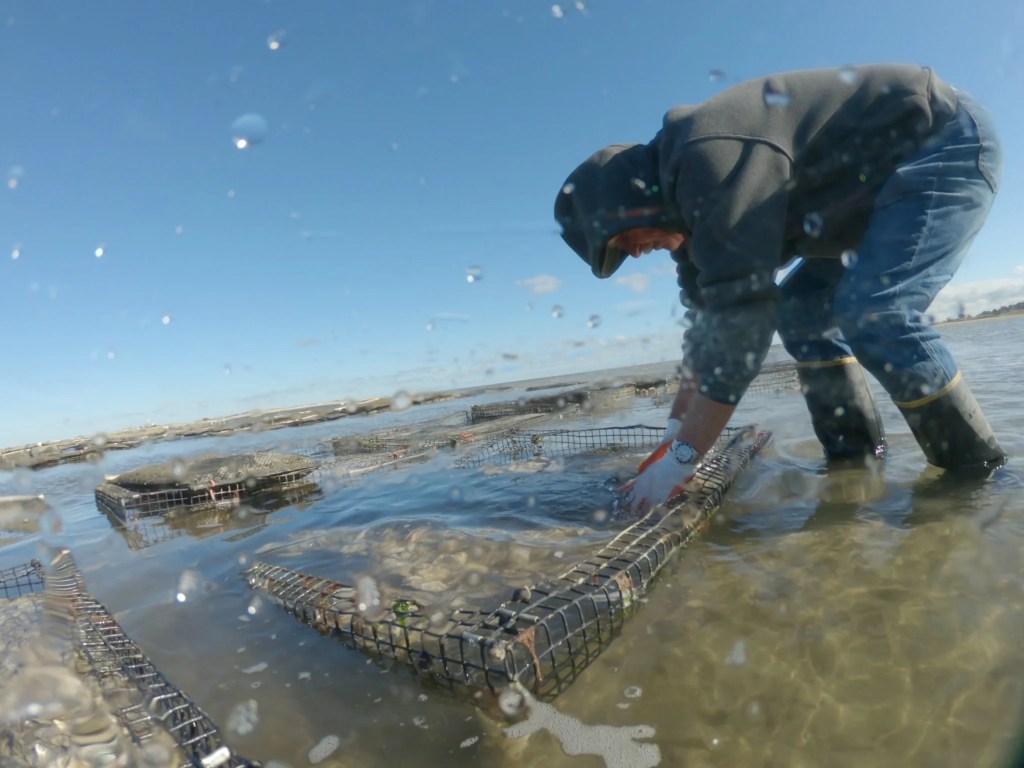
The cornerstone of the current regulations, mandating manual oyster picking during low tide, becomes increasingly discordant in an era marked by technological innovations. Modern oyster farming has witnessed the advent of specialized equipment and machinery designed to streamline harvesting processes. The insistence on labor-intensive practices impedes operational efficiency and hinders the industry’s ability to capitalize on advancements that could fully enhance productivity and sustainability.
Unlocking Efficiency through Mechanization
The existing moratorium on equipment use presents a significant barrier to progress. When responsibly implemented, mechanization can revolutionize oyster farming by automating repetitive tasks, reducing labor demands, and ensuring a more consistent and efficient harvest. Regulatory reform that accommodates and encourages the adoption of modern equipment is imperative for the industry to stay competitive and economically viable.
Data-Driven Decision-Making and Precision Farming
Technological advancements extend beyond the physical aspects of farming to data-driven decision-making. Innovations such as remote sensing, IoT devices, and data analytics provide oyster farmers with unprecedented insights into environmental conditions, water quality, and crop health. The current regulatory framework may lack provisions that harness the potential of these technologies, hindering the industry’s ability to implement precision farming practices that optimize resource usage and minimize environmental impact.
Sustainable Aquaculture Practices

The global shift towards sustainable practices highlights the need for regulatory frameworks that align with environmental stewardship. Technological advancements offer tools to monitor and mitigate the ecological impact of oyster farming. All in all, a reformed regulatory approach is essential to accommodate and incentivize the adoption of sustainable technologies.
Navigating Technological Risks and Benefits
An updated regulatory framework must strike a delicate balance between fostering technological innovation and mitigating potential risks. Considerations such as the environmental impact of new equipment, data privacy, and the possible displacement of traditional practices need to be carefully addressed. A nuanced approach to reform should encourage the integration of technologies. Technologies that enhance efficiency while ensuring responsible and sustainable oyster farming practices.
Advocating for The Georgia Oyster Farm, Regulatory Reform
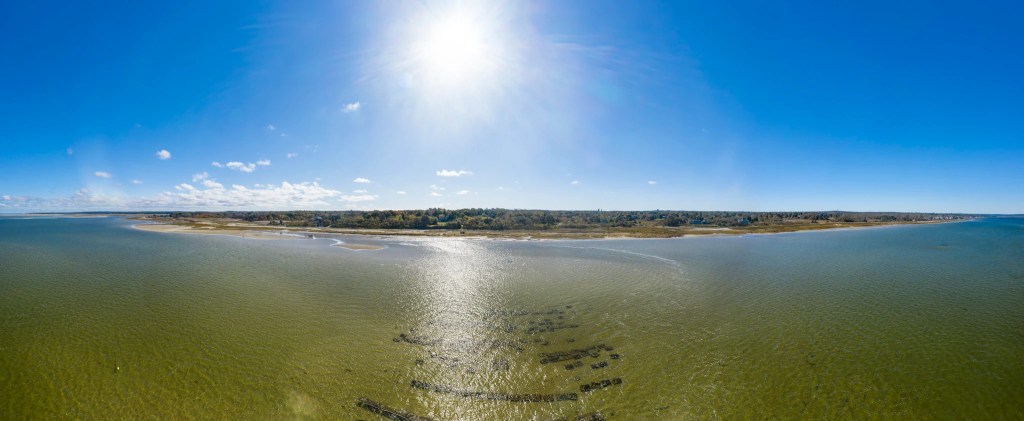
The oyster farming community in Georgia aspires to updated regulations. As well as a visionary framework that positions the industry as a beacon of sustainability, innovation, and cultural richness. As the call for reform resonates, the stage is set for a new chapter of the Georgia oyster farming evolution.
Embracing Evolution without Forsaking The Georgia Oyster Farming Tradition
A resounding call for reform reverberates within the nuanced dialogue surrounding Georgia’s oyster farming regulations. Recognizing the industry’s roots embedded in tradition, stakeholders now advocate for a regulatory framework. Hopefully, a framework that harmonizes time-honored practices with the demands of a dynamic future. The refrain is clear – evolution, not revolution, a thoughtful reimagining that preserves the essence while propelling progress.
Efficiency as the Catalyst
Central to the advocacy for reform is the imperative to enhance efficiency without compromising sustainability. Stakeholders underscore the potential of modern technologies and streamlined processes to propel the industry forward. Efficiency becomes the catalyst for growth, enabling oyster farmers to navigate the waters of global competition while maintaining the highest standards of product quality and environmental stewardship.
Balancing Tradition with Innovation
The plea for regulatory reform is an intricate dance between preserving the cultural tapestry of oyster farming and embracing the innovations that promise efficiency and sustainability. Industry leaders advocate for a balance that allows for integrating modern techniques and equipment while safeguarding the legacy of traditional craftsmanship. This delicate equilibrium is envisioned as the key to unlocking the full potential of Georgia’s oyster farming industry.
Sustainability as a Guiding Principle
Embedded within the call for regulatory reform is an unwavering commitment to sustainability. Advocates emphasize the need for regulations that incentivize and reward environmentally responsible practices. From embracing eco-friendly equipment to fostering sustainable harvesting methods, the reform movement champions a vision where the oyster farming industry thrives in harmony with the delicate coastal ecosystems it calls home.
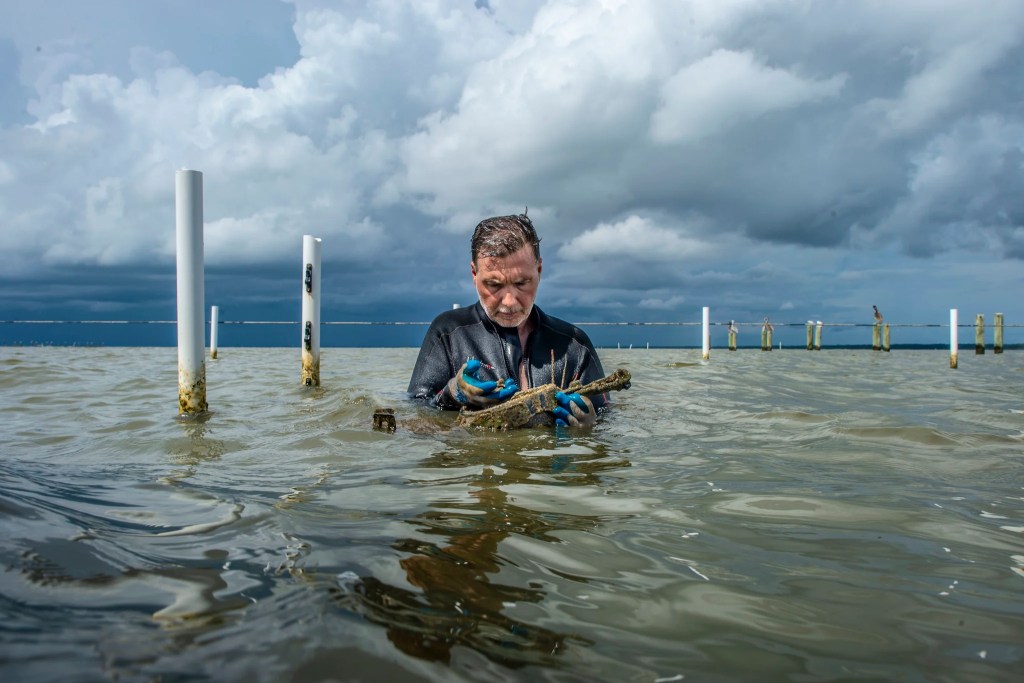
Charting the Future Course of Georgia’s Oyster Farming Odyssey
The tides of change sweep across Georgia’s oyster farming landscape. The symphony of tradition and innovation harmonizes in a crescendo of advocacy for regulatory reform. Preserving heritage and embracing progress requires a delicate dance. The industry needs to evolve thoughtfully to move forward.
Efficiency emerges as the catalyst, propelling growth without compromise. The delicate equilibrium between tradition and innovation remains the industry’s compass. Sustainability is the guiding principle, weaving through the fabric of reform. It ensures that each step towards progress leaves a positive imprint on the coastal ecosystems and the cultural richness of oyster farming.
The call to action extends beyond industry confines, engaging diverse stakeholders in a collective vision for a thriving and sustainable future. The oyster farming community aspires not only to updated regulations but also to. They also aspire for a visionary framework that positions Georgia as a beacon of innovation, environmental stewardship, and cultural heritage.
As we close this chapter in the ongoing narrative of Georgia’s oyster farming evolution, the symphony lingers in the air. It’s a melody of anticipation, resilience, and the promise of a revitalized industry. The horizon beckons with possibilities, and the oyster farming odyssey continues, invigorating the collective commitment to chart a future course as rich and diverse as the coastal waters it calls home. Georgia’s oyster farmers stand ready to navigate the currents and redefine the legacy of their craft. The next movement awaits, and the journey of evolution is far from over.
Discover more from The Oyster Encyclopedia
Subscribe to get the latest posts sent to your email.