


Short Answer: Kinda
For centuries, oysters have been known as one of the world’s most renowned aphrodisiacs. People believe they spark desire and boost libido. This myth has been spread by famous figures. It is embedded in various cultures. This raises the question: is there any scientific merit to the claim that oysters can enhance libido? Or is it simply a longstanding myth? This article will explore the history, science, and popular beliefs about oysters and libido. It will examine whether they truly have aphrodisiac qualities or if the association is merely an illusion.
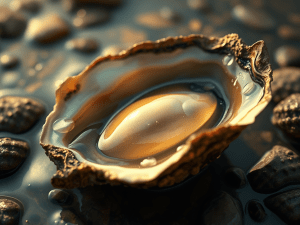
The Origins of the Oyster-Aphrodisiac Myth
The association between oysters and sexual desire dates back to ancient times, with legends often attributing the effect to the sea creature’s mysterious, silky texture and unique mineral profile. Oysters were famously consumed by the legendary Italian lover Casanova, who claimed that eating dozens of oysters each morning heightened his amorous exploits. This iconic example fueled a cultural myth that oysters were not only a luxurious delicacy but also a natural stimulant for romance.
But where does the link between oysters and libido really come from? Is it just a matter of historical anecdotes, or is there a biological foundation?
Scientific Investigation: Do Oysters Actually Affect Libido?
While myths about oysters’ libido-enhancing powers are widespread, scientific research is less conclusive. Here are a few factors researchers have considered when studying oysters as a potential aphrodisiac:

- Zinc Content
- Oysters are rich in zinc, a mineral that plays a crucial role in reproductive health. Zinc deficiency is linked to reduced testosterone levels, which can, in turn, lower libido. The zinc concentration in oysters has led scientists to investigate whether eating them could raise testosterone levels and thus support libido. While zinc is important for sexual health, the body’s response to zinc is complex, and eating a few oysters won’t necessarily lead to significant changes in libido.
- Dopamine Production
- Dopamine is a neurotransmitter associated with pleasure and reward, and it plays a role in arousal and sexual motivation. Studies suggest that oysters contain amino acids, such as D-aspartic acid and NMDA, which may stimulate dopamine production. Higher dopamine levels could, in theory, support increased sexual desire. However, consuming oysters in normal dietary amounts may not be enough to trigger noticeable changes in dopamine levels.
- Placebo Effect
- Much of oysters’ reputation as a libido booster could be due to the placebo effect. When people believe a food will have a certain effect, they may psychologically feel that effect more strongly. This expectancy plays a major role in aphrodisiacs, where the belief in a food’s power can sometimes enhance actual desire and mood more than the food’s chemical composition. For many, simply eating oysters in an intimate setting may reinforce the idea of their libido-enhancing powers.
Nutritional Profile of Oysters and Overall Health
While the direct effect of oysters on libido remains uncertain, their nutritional value can indirectly support sexual health. Here’s a look at the nutrients in oysters that may benefit overall health, which, in turn, can positively impact libido:
- Protein: Oysters are a high-protein food that provides essential amino acids, supporting muscle health, energy levels, and cellular repair.
- Omega-3 Fatty Acids: These healthy fats are known to improve heart health, reduce inflammation, and support brain function. Good circulation and heart health are critical for physical performance and vitality.
- Vitamins and Minerals: Oysters are packed with essential vitamins and minerals, such as vitamin B12, iron, magnesium, and selenium. These nutrients play roles in energy production, red blood cell formation, and hormonal balance.
A balanced diet with nutrient-dense foods like oysters can positively impact energy, mood, and overall wellness, indirectly supporting sexual health.
Myths vs. Facts: Separating Fiction from Reality
The reputation of oysters as a libido booster has permeated cultures worldwide, but separating the myths from scientific facts can help clarify whether oysters genuinely deserve their fame. Let’s examine some common myths about oysters and libido and compare them to the facts.
Myth: Oysters are guaranteed to boost libido.
Fact: No scientific consensus directly links oysters to libido enhancement.

Oysters have been touted as an aphrodisiac for centuries, but science has yet to back this claim definitively. Oysters contain high levels of zinc—a mineral linked to reproductive health. However, simply eating a few oysters does not provide the quantities needed to noticeably increase libido. Zinc can support testosterone production. It helps regulate sexual health. There’s no evidence that eating oysters causes an immediate or pronounced boost in sexual desire. Studies on zinc primarily indicate its benefits for long-term hormonal balance rather than immediate libido spikes.
Myth: The more oysters you eat, the stronger the effect.
Fact: Overconsumption of oysters offers no added libido benefits and may even cause digestive issues.

Some people believe that eating large quantities of oysters can lead to a noticeable libido boost, assuming that “more is better.” However, eating more oysters won’t lead to more zinc absorption or a sudden change in libido. Eating too many oysters can lead to digestive discomfort. They are rich in protein and can be difficult for some people to digest in large amounts. Additionally, excessive intake can expose individuals to heavy metals like cadmium and lead, which oysters absorb from their marine environment. Eating oysters in moderation as part of a balanced diet is healthier. This is more sustainable than relying on them as a primary source of libido enhancement.
Myth: Oysters have a magical aphrodisiac quality that other foods lack.
Fact: The placebo effect and romantic associations may contribute more to their reputation than any intrinsic qualities.
Oysters are often linked to romance because of their luxurious reputation, unique texture, and association with sensual dining experiences. The environment where people enjoy oysters is often a fine dining setting. This setting has an intimate ambiance. It can stimulate a sense of romance and even anticipation. This setting, combined with the widespread belief in oysters’ aphrodisiac powers, might produce a placebo effect. Individuals believe they feel more aroused because they expect to.
The placebo effect is well-documented in psychology and is particularly relevant for foods and substances labeled as aphrodisiacs. When someone eats oysters expecting an increase in libido, their mindset and mood may shift. They may begin to feel more aroused or romantic. This can create a self-fulfilling prophecy. In this way, the “power” of oysters to boost libido may lie more in cultural conditioning. It may also rely on perception rather than their biological effects.
Myth: Oysters directly raise testosterone levels.
Fact: Zinc in oysters may support testosterone production, but the effect is indirect and long-term.
One of the core components of the oyster libido myth is its zinc content, which is essential for testosterone production. However, the link between zinc and testosterone is more complex than simply eating zinc-rich foods. Adequate zinc levels are necessary to prevent testosterone deficiency. However, eating oysters does not cause an immediate spike in testosterone levels. Zinc can support maintaining balanced hormone levels over time. It’s not a quick fix for libido. Lifestyle factors like exercise, diet, stress management, and sleep play essential roles. They are as important, if not more so, in maintaining healthy testosterone levels and, subsequently, libido.

Myth: Oysters increase blood flow, like certain libido-enhancing medications.
Fact: While oysters have some cardiovascular benefits, they don’t have the same effect as medications that increase blood flow to reproductive organs.
Some people assume oysters work similarly to certain pharmaceuticals designed to increase blood flow to specific areas. Oysters contain omega-3 fatty acids, which can support cardiovascular health. However, these benefits are not directly related to sexual arousal. They are also not related to blood flow to reproductive organs. Omega-3s help maintain a healthy heart and good circulation. This can have general benefits for stamina and energy. However, they do not produce an immediate effect on blood flow that would enhance libido.
Myth: All aphrodisiac effects are just myths and psychology.
Fact: While some effects are psychological, certain nutrients in oysters may still support sexual health in subtle ways.
The powerful aphrodisiac effect of oysters may be overstated. However, certain nutrients they contain, such as zinc, protein, and omega-3 fatty acids, can contribute positively to overall health. These nutrients help support hormone production. They improve energy levels and boost mental well-being. This, in turn, can contribute to a healthy sex drive. The direct aphrodisiac claim is exaggerated. However, the indirect benefits for energy, mood, and hormone balance can support a healthy libido. This occurs when oysters are eaten as part of a balanced diet.
If you liked these myths about oysters, then you should also check out our 10 Most Frequently Asked Questions About Oysters!
Other Foods and Nutrients that Can Influence Libido
If oysters’ effect on libido isn’t guaranteed, are there other foods or nutrients that might have a similar association? Here are a few that have some scientific support:
- Dark Chocolate: Known for its phenylethylamine (PEA) and serotonin content, dark chocolate has been linked to mood enhancement, which could potentially support libido.
- Ginseng: This root has been traditionally used in herbal medicine to boost energy and reduce stress, with some studies suggesting a link to improved sexual function.
- Maca Root: Often referred to as “Peruvian ginseng,” maca is a natural supplement known for enhancing energy and possibly supporting hormonal balance.

The Reality of Oysters as an Aphrodisiac
While the myth of oysters as a libido booster persists, scientific evidence suggests that their effects are modest at best. Factors like zinc and dopamine-related amino acids may play a role in promoting a healthy reproductive system, but the immediate impact on libido remains questionable. The power of suggestion, combined with oysters’ luxurious and sensory qualities, may be the biggest drivers behind their reputation as an aphrodisiac.
In the end, enjoying oysters for their taste, texture, and nutritional benefits is reason enough. Whether or not they truly enhance libido, they offer a unique culinary experience and a chance to indulge in a storied tradition. And for those hoping for a little extra spark, the romantic ambiance might just do the trick.
Discover more from The Oyster Encyclopedia
Subscribe to get the latest posts sent to your email.