

Introduction
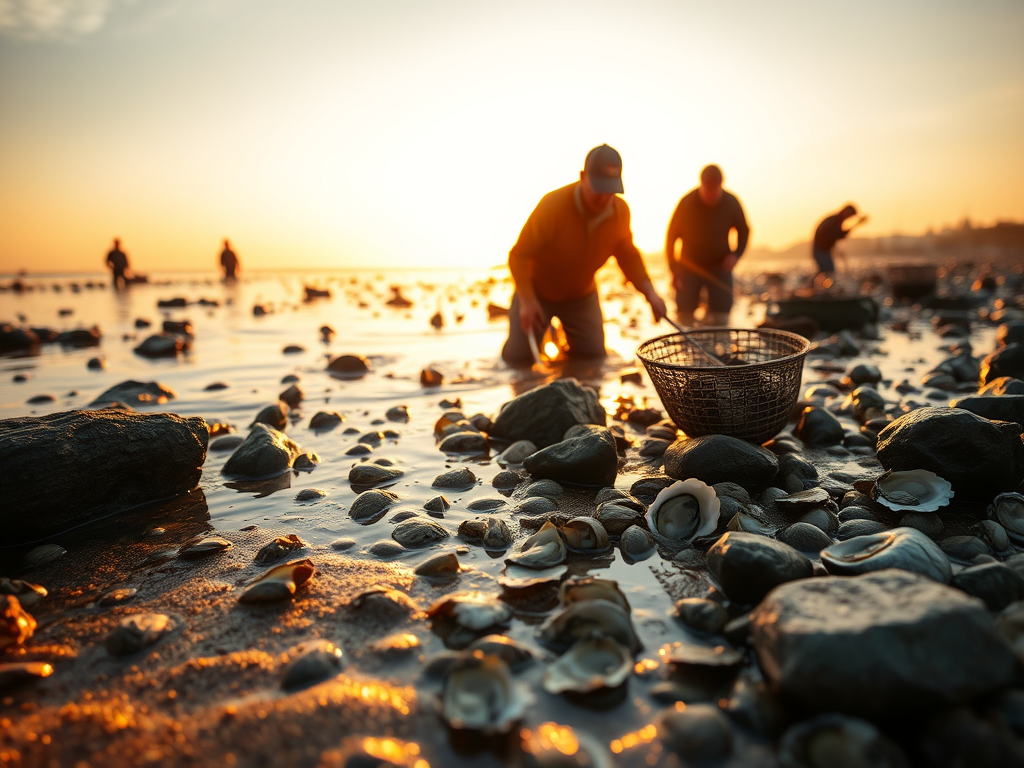
Bottom culture oyster farming is one of the oldest and most natural methods of growing oysters. By placing oysters directly on the seabed, this method mimics wild oyster growth while allowing farmers to cultivate high-quality shellfish in a sustainable manner. Unlike off-bottom farming techniques that use cages or floating systems, it relies on the natural ocean floor, providing oysters with a habitat similar to their wild counterparts.
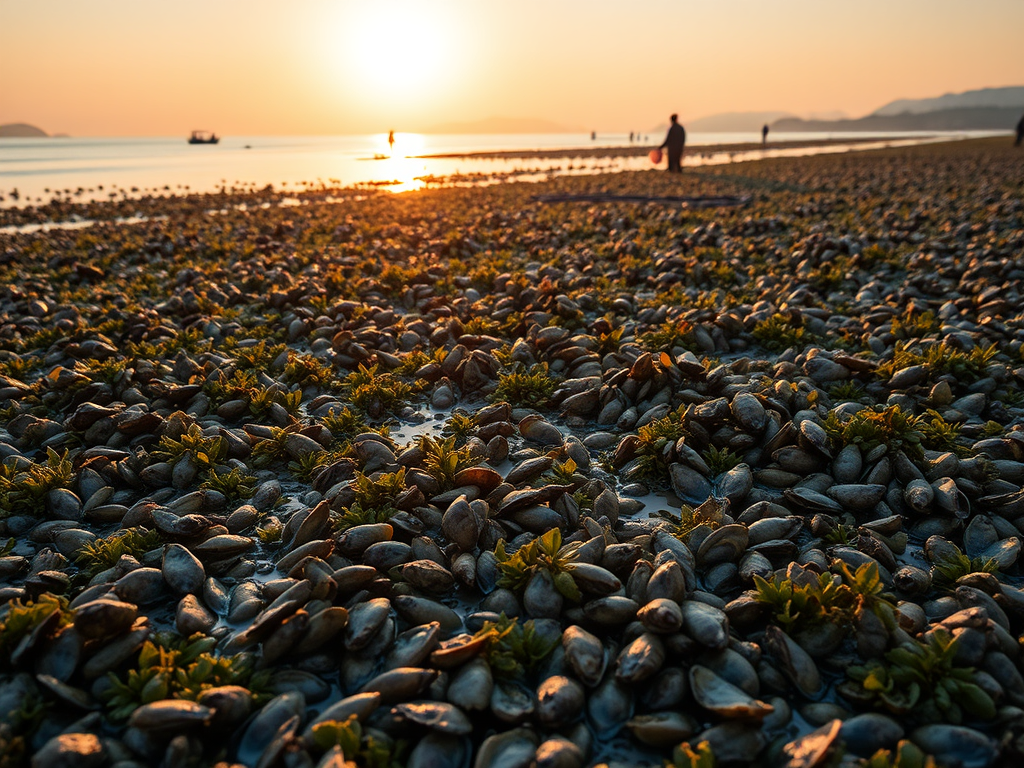
In this article, we’ll explore how bottom culture oyster farming works, its benefits, challenges, and why it remains a vital method in modern aquaculture.
What is Bottom Culture Oyster Farming?
Bottom culture oyster farming is a low-intervention aquaculture technique where oysters are grown directly on the seabed or in managed oyster beds. Farmers distribute spat (young oysters) onto suitable underwater grounds and allow them to grow naturally. Over time, the oysters develop hard, sturdy shells and take on complex flavor profiles influenced by the merroir (the unique environmental conditions of their habitat).
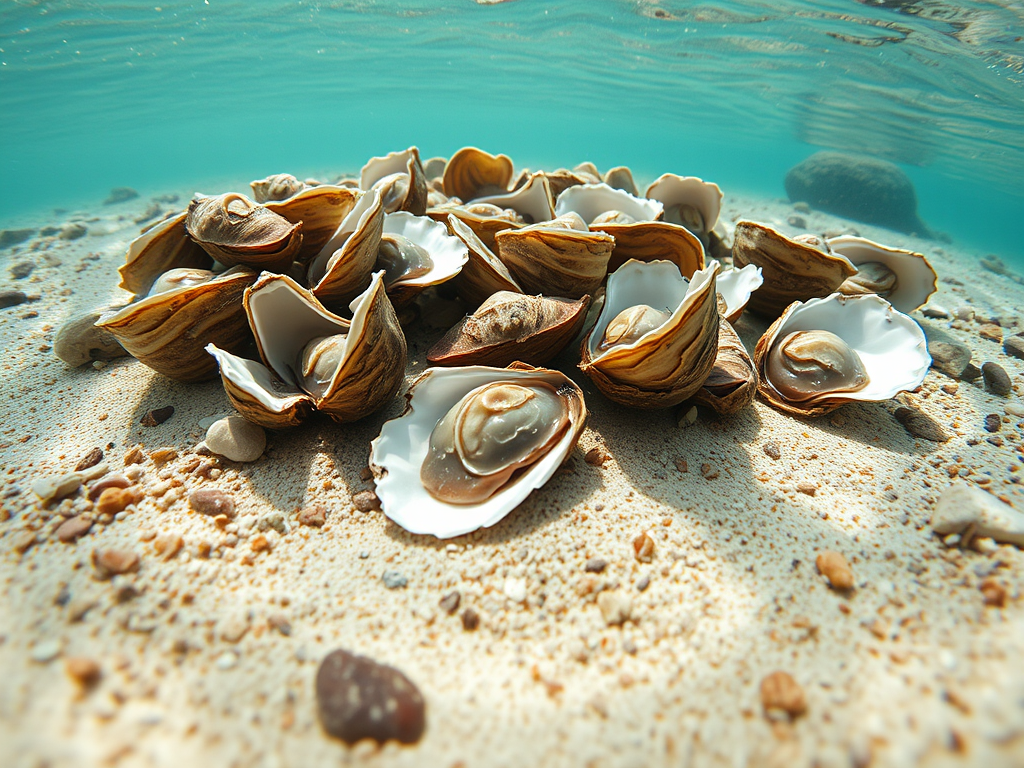
This method is commonly used in estuaries, bays, and shallow coastal areas with good water circulation and a firm substrate. Oysters grown using this technique are often referred to as “wild-farmed” oysters because of their natural development process.
How Bottom Culture Oyster Farming Works
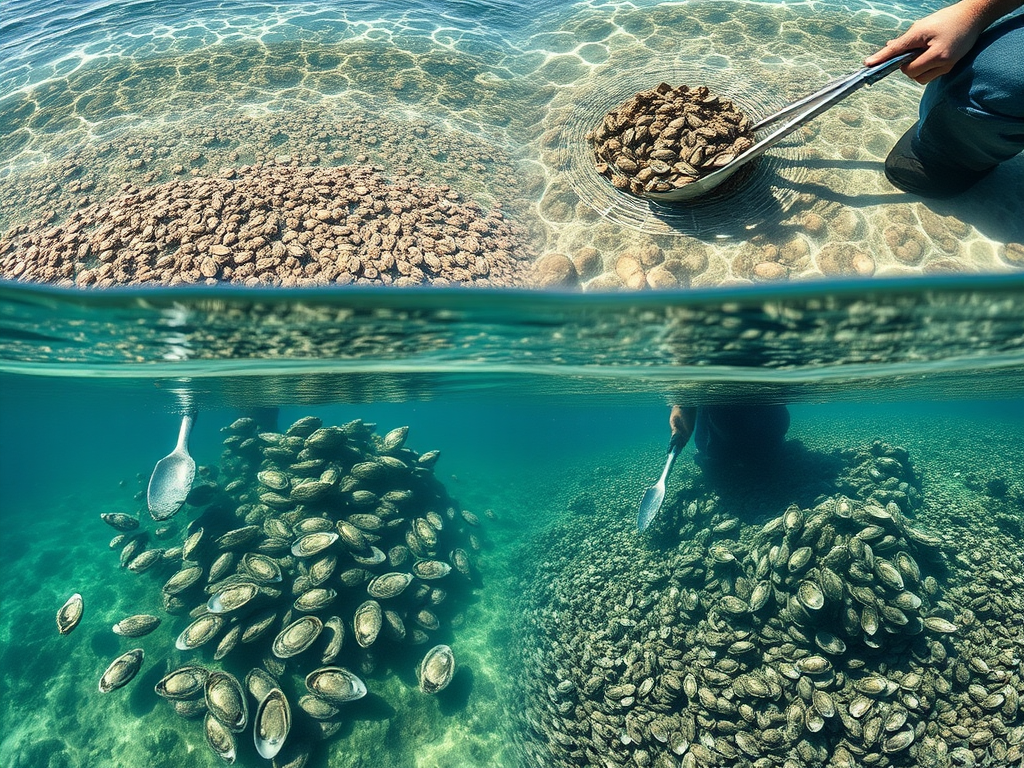
The process of bottom culture oyster farming involves several key steps:
1. Site Selection
Farmers choose areas with:
- Optimal Salinity Levels – Oysters thrive in brackish waters with the right balance of salt and freshwater.
- Good Water Flow – Ensures a constant supply of plankton and nutrients.
- Firm, Rocky, or Sandy Substrate – Prevents oysters from sinking into mud.
2. Spat Seeding (Planting Oysters on the Seabed)
- Oyster larvae (spat) are attached to shells, small rocks, or hard surfaces before being spread across the seabed.
- Some farmers use shell planting, where recycled oyster shells are distributed to encourage larvae settlement.
3. Growth and Natural Development
- Oysters grow at their own pace, feeding on naturally available plankton.
- Over time, they develop stronger shells due to exposure to waves, tides, and sediment.
- The growth cycle varies by region but typically takes 2 to 4 years before harvest.
4. Harvesting the Oysters
- Farmers use tongs, hand-picking, or dredging techniques to collect mature oysters.
- Harvested oysters are then cleaned, sorted, and prepared for market distribution.
Benefits of Bottom Culture Oyster Farming

1. Natural and Sustainable
Unlike intensive aquaculture methods, bottom culture oyster farming allows oysters to grow in their natural environment with minimal human interference. This helps maintain ecological balance and supports biodiversity.
2. Exceptional Flavor Profiles
- Since bottom-cultured oysters grow directly on the seabed, they absorb minerals and nutrients from the ocean floor, resulting in complex and robust flavors. These oysters often have:
- Stronger brininess due to prolonged exposure to tides.
- Richer mineral notes from seabed interaction.
- More textured, deeper shells that enhance presentation.
3. Minimal Equipment Required
Compared to floating cages and rack-and-bag systems, bottom culture oyster farming requires fewer materials, making it an affordable option for small-scale oyster farmers.
4. Supports Wild Oyster Reefs
This method contributes to the restoration of natural oyster reefs by encouraging wild oyster populations to settle and grow alongside farmed oysters.
Challenges of Bottom Culture Oyster Farming
Bottom culture oyster farming faces several challenges that stem from environmental forces, predators, labor-intensive harvesting, and market dynamics.
Environmental conditions are unpredictable—storms, shifting sediments, and ocean acidification can bury or weaken oysters, while fluctuating water temperatures impact growth rates. Since oysters grow directly on the seabed, farmers have little control over these natural forces.
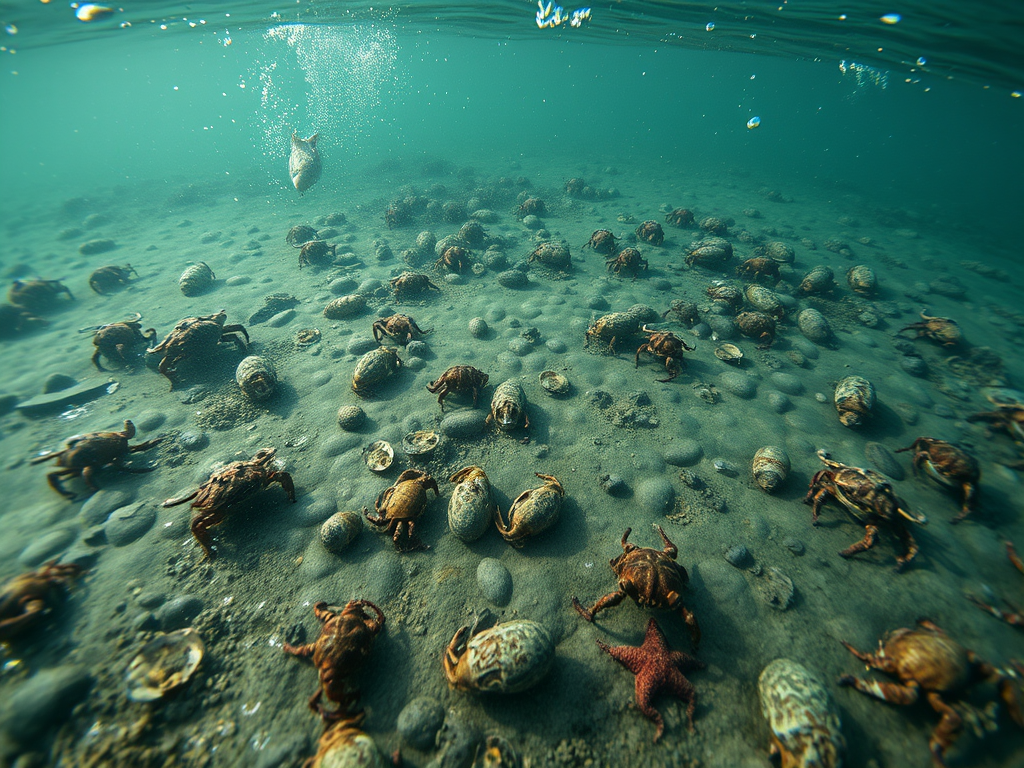
Predators such as crabs, starfish, and oyster drills frequently attack young oysters, while diseases like Dermo and MSX can wipe out entire beds. Unlike off-bottom systems, where oysters are under close surveillance, bottom culture farming makes it difficult to detect and prevent these threats early.
Harvesting is another major challenge. Unlike suspension oyster farms, bottom-cultured oysters are hand-picking, or dredging—an expensive and time-consuming process. Dredging, while efficient, can disturb the seabed and is restricted in many areas to protect marine ecosystems.
Even after a successful harvest, farmers must compete in a crowded seafood market. While bottom-culture oysters have deep flavors and strong shells, they can be irregular in size. Farmed oysters from off-bottom systems, making them less desirable for high-end restaurants. Additionally, fluctuating consumer demand and sustainability concerns influence market trends.
Despite these challenges, bottom culture oyster farming remains one of the most sustainable and natural methods of production, preserving marine ecosystems while producing high-quality oysters. However, farmers must continually adapt to environmental shifts, balance sustainability efforts, and find ways to remain competitive in the evolving seafood industry.
Where is Bottom Culture Oyster Farming Used?
This method is prevelant in traditional oyster-growing regions that emphasize natural flavor and sustainability. Some well-known bottom culture oyster farming locations include:
1. Chesapeake Bay, USA
- Home to some of the most famous East Coast oysters, including Chesapeake Bay oysters and Virginia oysters.
2. Brittany and Normandy, France
- Produces Belon oysters, known for their metallic, mineral-rich taste.
3. Ireland & Scotland
- Cold waters help develop deep, briny flavors in their native oysters.
4. Australia & New Zealand
- Bottom-cultured Sydney Rock Oysters and Bluff Oysters are globally sought after.
Comparing Bottom Culture to Other Oyster Farming Methods
| Farming Method | Growth Environment | Advantages | Challenges |
|---|---|---|---|
| Bottom Culture | Seabed/Natural Ocean Floor | Natural flavor, strong shells, sustainable | Slower growth, labor-intensive harvesting |
| Off-Bottom Farming | Suspended in Water Column | Faster growth, predator protection | Requires infrastructure (cages, bags) |
| Floating Cage Systems | Floating on Surface | High yield, consistent quality | Higher initial investment |
| Rack and Bag Farming | Bags placed on elevated racks | Easier maintenance, good flavor control | Requires space and monitoring |
The Future of Bottom Culture Oyster Farming
As demand for premium oysters grows, bottom culture oyster farming remains an important practice for sustainability and quality-driven production. However, future advancements aim to:
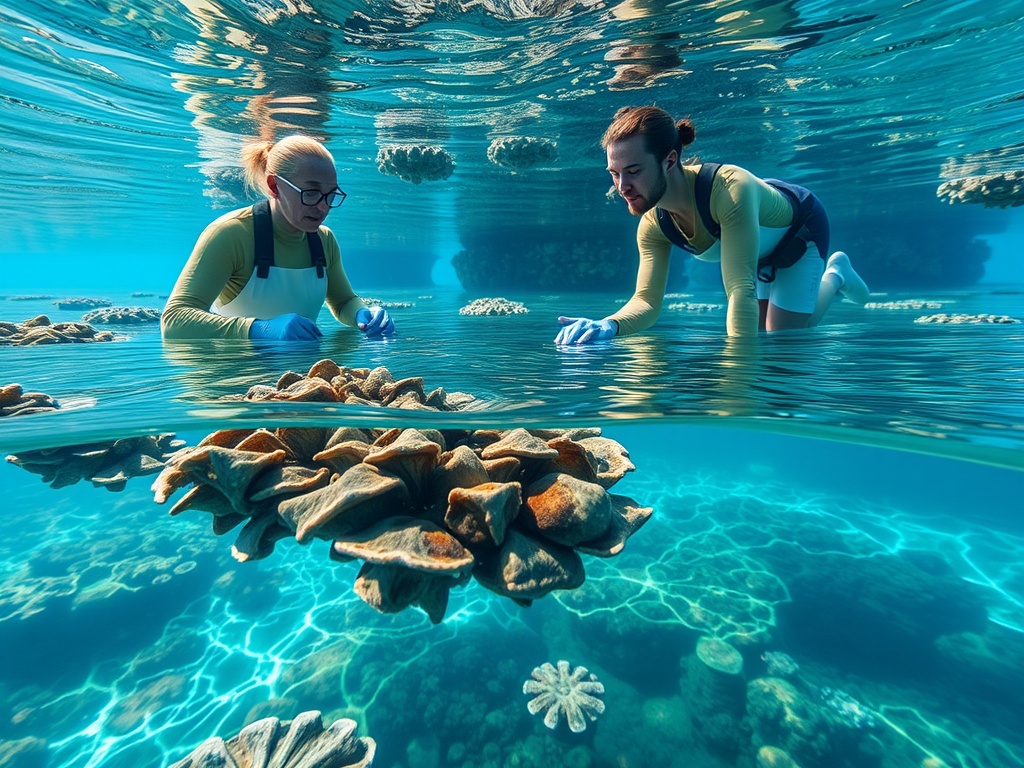
- Improve reef restoration projects to enhance oyster habitats.
- Implement better predator management techniques for higher survival rates.
- Use advanced tracking technology to monitor oyster health and seabed conditions.
Conclusion: Why Bottom Culture Oyster Farming Matters
Bottom culture oyster farming is a time-tested, environmentally friendly method that produces high-quality oysters with exceptional flavor. Although it requires patience and manual labor, this traditional farming technique helps maintain wild oyster populations, supports marine ecosystems, and ensures the continued availability of naturally grown oysters.
For oyster lovers, choosing bottom-cultured oysters means enjoying an authentic, naturally-developed taste straight from the ocean floor.
If you like this article, check out some of our other content!
Discover more from The Oyster Encyclopedia
Subscribe to get the latest posts sent to your email.