


The Billion Oyster Project is a nonprofit organization in New York City. Their goal is to engage one million people in the effort to restore one billion oysters to New York Harbor by 2035. The project aims to create a future where New York Harbor is a rich, diverse, and abundant estuary. This will benefit the surrounding communities with opportunities for work, education, and recreation.
Oyster reefs play a crucial role in the ecosystem, serving as natural water filters. They help increase habitat and marine biodiversity levels and protect the city’s shorelines from storm surges. By restoring oyster reefs, the Billion Oyster Project aims to soften the impact of large waves, reduce flooding, and prevent erosion along the shorelines.
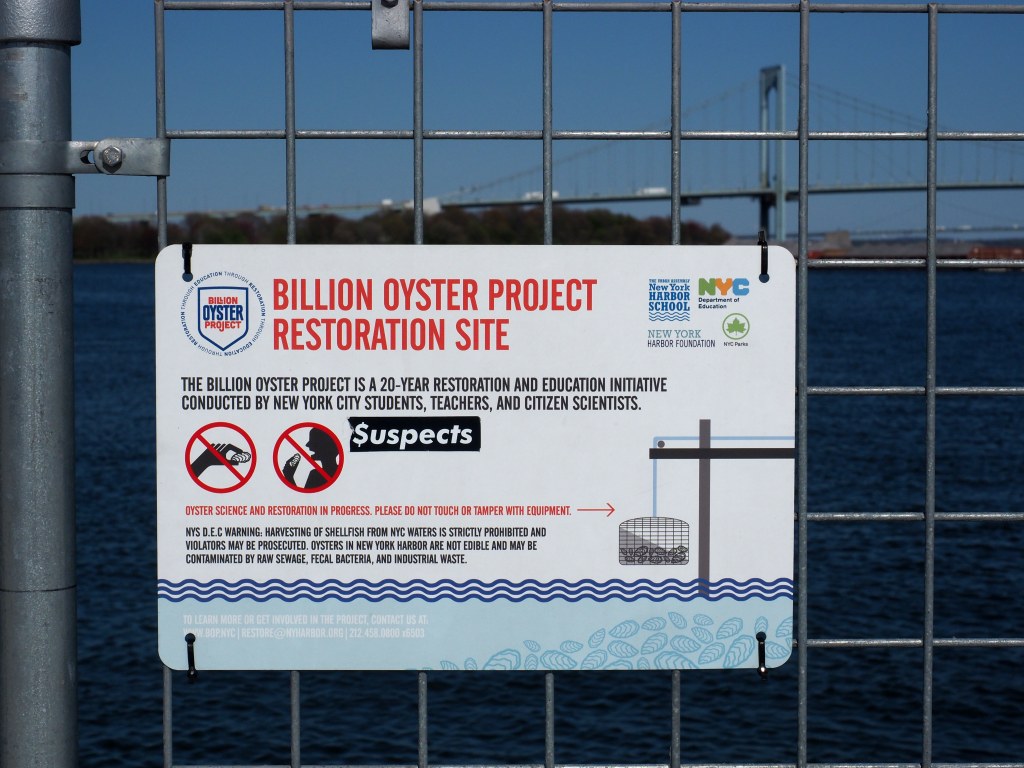
The project believes in engaging community members, especially young people, in reef restoration to foster environmental awareness. It aims to involve hundreds of thousands of students, teachers, and community scientists in marine restoration-based STEM educational programming. Additionally, the project partners with over 60 restaurants for an oyster shell recycling program, which provides shells for building new reefs.
The Billion Oyster Project has made significant progress in its restoration efforts. As of now, they have restored 100 million live oysters and collected 2 million pounds of shells. The project also engages a community of nearly 15,000 volunteers.
How Can Oysters Improve Water Quality in The Harbor?
Oysters play a crucial role in improving water quality in New York Harbor. Here’s how they contribute:
- Filtration: Oysters are natural filter feeders. A single oyster can filter up to fifty gallons of water per day. The original oyster population in the harbor was capable of filtering all its water in a matter of days[. By actively pumping water through their gills and filtering out particles, oysters help remove pollutants, sediments, and excess nutrients from the water. This filtration process helps to improve water clarity and quality.
- Nutrient Removal: Oysters have the ability to remove excess nutrients, such as nitrogen and phosphorus, from the water. These nutrients can contribute to harmful algal blooms and low oxygen levels, leading to poor water quality and ecosystem health. By consuming and processing these nutrients, oysters help to restore balance to the ecosystem and prevent water quality issues.
- Habitat Creation: Oyster reefs provide important habitats for a variety of marine species. The complex structure of oyster reefs offers shelter, food, and breeding grounds for fish, crabs, and other organisms. By creating these habitats, oysters contribute to the overall biodiversity and ecological health of the harbor.
- Erosion Control: Oyster reefs can also help mitigate shoreline erosion. The reefs act as natural breakwaters, reducing the impact of waves and protecting shorelines from erosion. This erosion control function is especially important in areas susceptible to storm surges and sea-level rise.
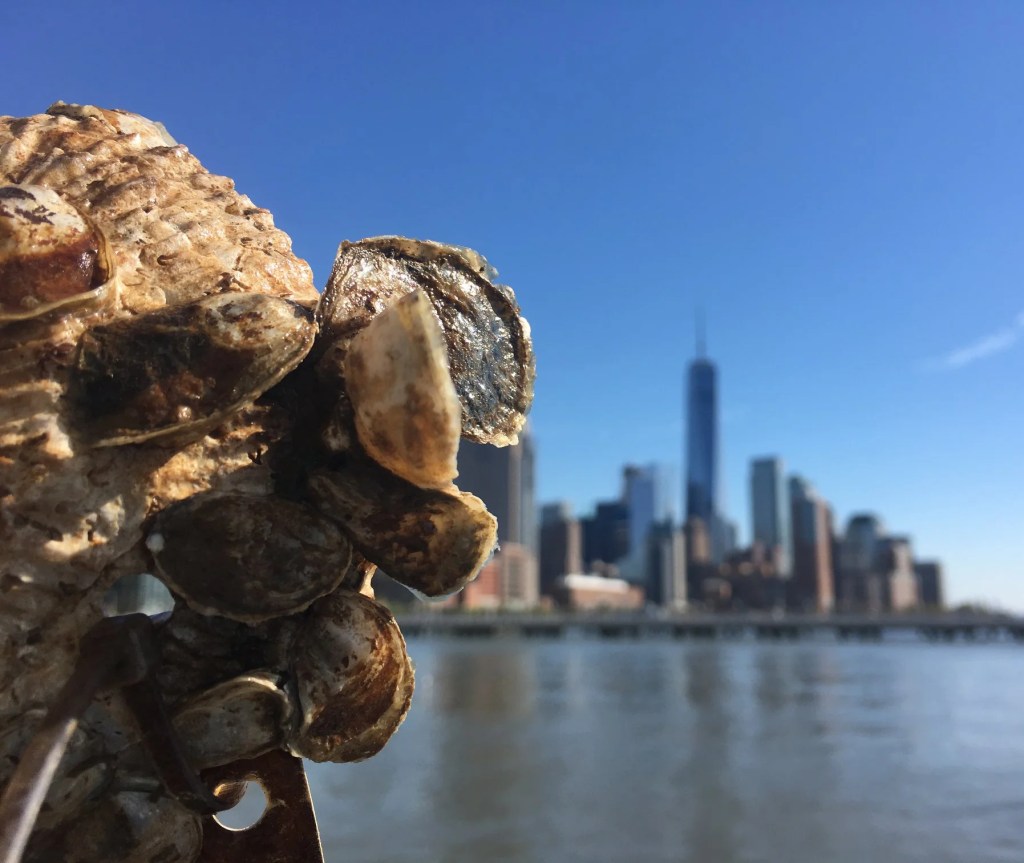
The oyster population in New York Harbor has suffered from overharvesting, dredging, and pollution, causing a depletion. However, the Billion Oyster Project is making efforts to restore and revitalize the oyster population.
The Billion Oyster Project Process
The process of oyster seeding in New York Harbor involves several steps. Here is an overview of the process:
- Collection of Oyster Larvae: Oyster larvae, also known as spat, are collected from oyster hatcheries or through natural spawning events. These larvae are tiny and float freely in the water.
- Attachment to Substrate: The collected oyster larvae need a suitable substrate to attach to and grow. Sometimes, the best option is to seed the larvae directly onto oyster shells, which offer a natural and stable surface for the larvae to settle and attach themselves to. Other times, individuals bury the larvae in specially designed structures such as balls or blocky shapes made of materials that mimic oyster shells.
- Placement in the Harbor: After attaching to the substrate, the oyster larvae await placement in designated areas of New York Harbor. Experts carefully select these areas to optimize the oysters’ ability to enhance water quality and create habitats.
- Monitoring and Maintenance: After the oyster seeding, regular monitoring and maintenance are conducted to ensure the success of the project. This includes checking the growth and survival rates of the oysters, monitoring water quality parameters, and addressing any potential issues or threats to the oyster population.
The Billion Oyster Project has been involved in oyster seeding efforts in New York Harbor since 2010. The project aims to restore one billion oysters to the harbor by 2035. Its goal is to improve water quality, increase marine biodiversity, and boost ecosystem resilience.
All in all, the seeding of oysters in New York Harbor does not aim for consumption due to concerns over water pollution. Its primary purpose is to enhance the ecological restoration and health of the harbor.
How to Get Involved With Billion Oyster Project
There are various ways in which individuals can participate in oyster restoration initiatives in New York Harbor, courtesy of the Billion Oyster Project. Here are a few alternatives:

- Volunteer: The Billion Oyster Project has a community of nearly 15,000 volunteers who contribute to various aspects of the project, including oyster gardening, water quality monitoring, and shell recycling5. Volunteers can sign up for one-time or ongoing opportunities through the project’s website.
- Corporate Volunteering: Companies can engage their employees in a day of giving back by volunteering with the Billion Oyster Project.. This can be a great team-building activity that also benefits the local community and environment.
- Become a Member: People can support the Billion Oyster Project’s education and restoration initiatives by becoming a member. Members receive benefits such as discounts on merchandise and invitations to special events.
- Ambassador Program: For those interested in a long-term volunteering commitment, the Billion Oyster Project offers an Ambassador Program. Ambassadors participate in specialized areas of the project, receive training and support, and help lead volunteer events.
- Donate: People can also support the Billion Oyster Project’s restoration efforts by making a donation. Donations go towards purchasing materials, supporting educational programs, and expanding the project’s impact.
Billion Oyster Project’s Safe Space Commitment
The “Safe Space Commitment” is a pledge made by the Billion Oyster Project to create safe spaces for all New Yorkers and work towards solutions that enable students, volunteers, and community members to participate in oyster restoration efforts without fear of discrimination or harassment. The commitment is part of the project’s broader goal of fighting systemic racism and promoting diversity, equity, and inclusion in the environmental field. The Billion Oyster Project encourages others to join them in creating safe spaces and fostering a welcoming and inclusive environment for all.
By creating safe spaces and promoting diversity, equity, and inclusion, the Billion Oyster Project aims to ensure that everyone has the opportunity to participate in oyster restoration efforts and contribute to the ecological health of New York Harbor.
Discover more from The Oyster Encyclopedia
Subscribe to get the latest posts sent to your email.