


The Urgency of Food Security and Climate Resilience
In an era where the global population is steadily increasing and climate change is reshaping our environment, the urgency for robust food security measures has never been greater. Traditional agricultural practices are increasingly challenged by unpredictable weather patterns, rising temperatures, and the growing frequency of extreme weather events. As a result, the need for innovative and sustainable food production methods is paramount. Against this backdrop, the White House National Science and Technology Council has unveiled a groundbreaking new aquaculture plan. This initiative is not just a response to immediate food security concerns but also a forward-thinking strategy to enhance climate resilience. By focusing on aquaculture, the plan seeks to harness the potential of aquatic ecosystems to sustainably meet the nutritional needs of millions while simultaneously mitigating the impacts of climate change.
The new aquaculture plan is designed to address two of the most pressing global issues: ensuring a steady and reliable food supply and building systems that can withstand and adapt to the changing climate. As the world faces the dual challenges of feeding a growing population and dealing with the consequences of environmental degradation, aquaculture offers a promising solution. This innovative approach aims to bolster food production through sustainable means, reduce pressure on overexploited land resources, and contribute to the overall resilience of food systems in the face of climate uncertainties. The significance of this plan extends beyond national borders, positioning the United States as a leader in global efforts to create a more sustainable and resilient food future.

Aquaculture: A Sustainable Solution to Global Food Security
Aquaculture, the farming of fish, shellfish, and aquatic plants, has emerged as one of the most promising avenues for enhancing global food security. As traditional agricultural systems struggle to keep pace with the growing demand for food, particularly in regions severely affected by climate change, aquaculture offers a sustainable alternative. It leverages aquatic ecosystems to produce food with a smaller environmental footprint, making it an increasingly vital component of global food production.
Environmental effects
One of the key advantages of aquaculture is its ability to produce large quantities of food with relatively low inputs. Unlike conventional agriculture, which often requires vast tracts of land, significant water usage, and heavy reliance on fertilizers and pesticides, aquaculture can be practiced in both freshwater and marine environments, often with minimal land use. This makes it particularly valuable in regions where land resources are scarce or where traditional farming is becoming increasingly untenable due to climate change.
Moreover, aquaculture has the potential to significantly reduce the environmental impact of food production. For instance, many aquaculture systems are designed to be highly efficient, recycling nutrients and minimizing waste. Integrated multi-trophic aquaculture (IMTA) is a prime example, where different species are farmed together in a way that allows the waste from one species to serve as food for another. This not only enhances productivity but also reduces the environmental impact by mimicking natural ecosystems.
In addition to its environmental benefits, aquaculture plays a crucial role in meeting the nutritional needs of millions of people around the world. Fish and other aquatic products are rich in essential nutrients, including high-quality protein, omega-3 fatty acids, and various vitamins and minerals. As the global population continues to grow, ensuring access to these vital nutrients becomes increasingly critical. Aquaculture provides a reliable and scalable means of producing nutrient-dense food, contributing to better health outcomes, especially in regions where malnutrition remains a significant challenge.
Economic Benefits
Aquaculture also offers economic benefits, particularly for coastal and rural communities where traditional farming and fishing opportunities may be limited. By creating jobs and supporting local economies, aquaculture can help alleviate poverty and improve livelihoods. For many developing nations, expanding aquaculture operations represents a pathway to economic development, providing a sustainable source of income while enhancing food security.
However, the rapid growth of the aquaculture industry is not without challenges. Concerns about the environmental impacts of certain practices, such as the use of antibiotics, the potential for water pollution, and the overreliance on wild fish stocks for feed, must be addressed. Sustainable aquaculture practices that prioritize environmental stewardship are essential to ensuring that the industry can grow without compromising the health of our planet.
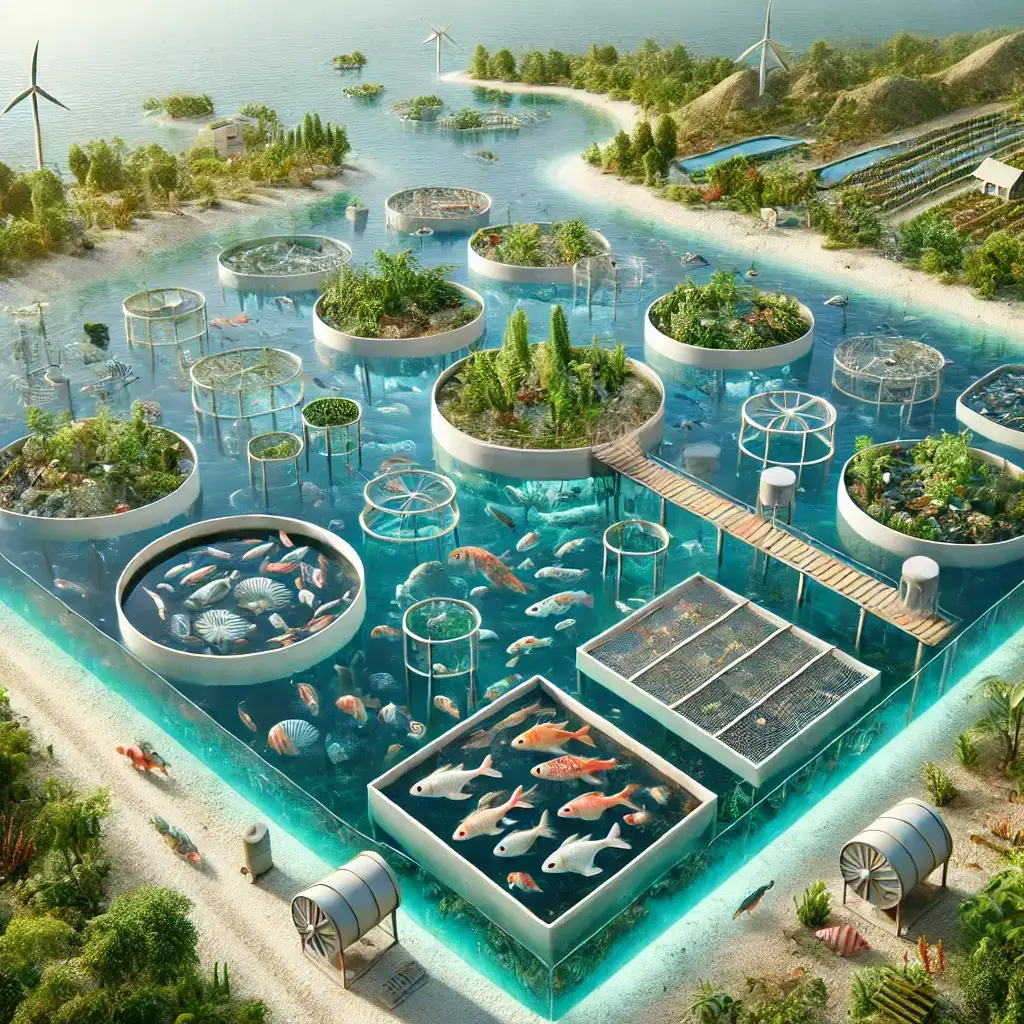
The White House’s new aquaculture plan acknowledges these challenges and seeks to promote best practices that align with environmental and social sustainability. By supporting research and innovation in sustainable aquaculture, the plan aims to address these concerns while maximizing the potential of aquaculture to contribute to food security and climate resilience. This includes the development of alternative feeds, the promotion of eco-friendly farming practices, and the integration of aquaculture into broader food systems planning.
In conclusion, aquaculture represents a sustainable solution to some of the most pressing food security challenges of our time. Its ability to produce large quantities of nutritious food with a lower environmental impact positions it as a critical component of global efforts to ensure food security in a changing climate. As the industry continues to grow and evolve, the focus must remain on promoting practices that enhance sustainability, resilience, and equity, ensuring that aquaculture can fulfill its potential as a cornerstone of the global food system.
Key Strategies in the New Aquaculture Plan
The White House’s new aquaculture plan represents a comprehensive approach to leveraging aquaculture as a means to enhance food security and climate resilience. This strategic blueprint is designed to address both current and future challenges in food production, with a focus on sustainable practices and technological innovation. Here are the key strategies that form the foundation of this ambitious plan:
1. Promoting Sustainable Aquaculture Practices
A central pillar of the new aquaculture plan is the promotion of sustainable farming practices that minimize environmental impact while maximizing productivity. This involves the implementation of guidelines and best practices for aquaculture operations, emphasizing the need for eco-friendly techniques. The plan advocates for the use of low-impact farming methods, such as recirculating aquaculture systems (RAS) and integrated multi-trophic aquaculture (IMTA), which reduce waste and utilize natural resources more efficiently.
To further support sustainability, the plan includes measures to protect coastal and marine ecosystems. By encouraging the development of offshore aquaculture, where environmental impacts are more easily managed and dispersed, the plan seeks to alleviate pressure on inshore habitats that are often more sensitive to farming activities. Additionally, there is a strong focus on protecting biodiversity, ensuring that aquaculture operations do not negatively affect wild fish populations or lead to the introduction of invasive species.
2. Advancing Research and Innovation
Innovation is at the heart of the White House’s aquaculture plan. Recognizing the need for continuous improvement in farming techniques and technologies, the plan allocates significant resources to research and development. This includes funding for scientific research aimed at improving the efficiency and sustainability of aquaculture operations, as well as the development of new technologies that can enhance productivity and reduce environmental impacts.
One key area of innovation highlighted in the plan is the development of alternative feeds. Traditional aquaculture often relies on fishmeal and fish oil derived from wild-caught fish, which can contribute to overfishing and environmental degradation. The plan supports the exploration of alternative feed sources, such as plant-based proteins, insect meal, and algae, which can reduce reliance on wild fish stocks and improve the sustainability of aquaculture.
3. Enhancing Climate Resilience Through Aquaculture
As climate change continues to threaten global food production, the new aquaculture plan places a strong emphasis on building resilience into food systems. This includes promoting aquaculture practices that are adaptable to changing environmental conditions, such as temperature fluctuations and shifts in water availability. By encouraging the cultivation of climate-resilient species and the adoption of adaptive farming techniques, the plan aims to ensure that aquaculture can continue to thrive in the face of climate challenges.
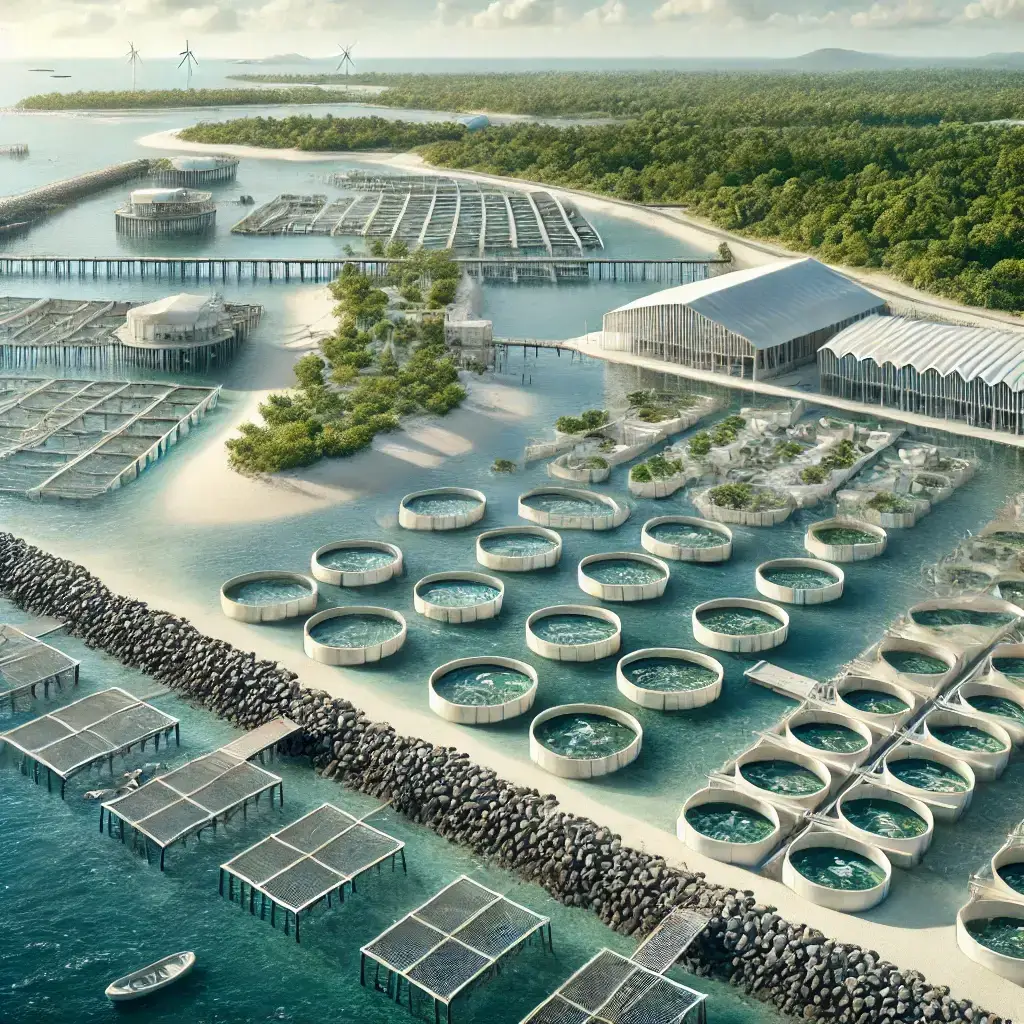
The plan also addresses the need for infrastructure and resource management to support climate-resilient aquaculture. This includes investments in coastal protection measures, such as mangrove restoration and the construction of seawalls, which can protect aquaculture operations from storm surges and rising sea levels. Additionally, the plan promotes the development of water management systems that ensure a reliable supply of clean water for aquaculture, even in regions facing water scarcity due to climate change.
4. Strengthening Regulatory Frameworks and Partnerships
Effective governance is essential to the success of the new aquaculture plan. To this end, the plan emphasizes the importance of strengthening regulatory frameworks to ensure that aquaculture operations are responsible and sustainable. This includes updating existing regulations to reflect the latest scientific knowledge and best practices, as well as improving enforcement mechanisms to prevent illegal or harmful practices.
The plan also highlights the importance of building partnerships at multiple levels. Collaboration between federal, state, and local governments is critical to aligning policies and resources, while partnerships with the private sector and academic institutions can drive innovation and improve the implementation of sustainable practices. Additionally, the plan encourages international cooperation, recognizing that many of the challenges and opportunities in aquaculture are global in nature.
5. Supporting Local Communities and Economies
The White House’s aquaculture plan acknowledges the vital role that local communities play in the success of aquaculture operations. This includes providing training and resources to help small-scale farmers adopt sustainable practices and access new markets.
Moreover, the plan promotes the development of value-added products and supply chains that can increase the profitability of aquaculture operations. By encouraging the production of high-quality, locally-sourced seafood, the plan aims to boost local economies while reducing reliance on imported seafood. This not only enhances food security but also contributes to the overall resilience of food systems.
The Role of Science and Technology in Aquaculture
Science and technology are at the forefront of the White House’s new aquaculture plan, serving as essential tools for transforming the industry into a more sustainable and resilient cornerstone of global food systems. The integration of advanced scientific research and innovative technologies is not just an option but a necessity for overcoming the challenges posed by climate change, environmental degradation, and the increasing global demand for food.
1. Cutting-Edge Research in Sustainable Aquaculture
At the heart of the new aquaculture plan is a commitment to advancing scientific research that underpins sustainable aquaculture practices. Research efforts are prioritized on a broad spectrum of areas, including the development of more efficient farming techniques. The breeding of climate-resilient species, and the improvement of water quality management are important as well. By fostering collaborations between government agencies, academic institutions, and the private sector, the plan aims to accelerate the pace of innovation and ensure that new knowledge is rapidly spread into practical applications.
One critical area of research is the development of alternative feeds. Traditional aquaculture often relies on fishmeal and fish oil, which come from from wild fish stocks, posing risks to marine ecosystems. To address this, scientists are exploring alternative feed options such as plant-based proteins, insect-based meals, and algae. These alternatives not only reduce pressure on wild fish populations but also offer the potential to improve the nutritional quality of farmed fish and lower the environmental footprint of aquaculture operations.
2. Technological Innovations Transforming Aquaculture
Technological innovation is another cornerstone of the plan, with a focus on integrating cutting-edge technologies into every aspect of aquaculture. For example, the use of recirculating aquaculture systems (RAS) represents a significant leap forward in sustainable farming. RAS allows for the cultivation of fish in a stable environment where water is continuously filtered, minimizing waste and the need for large amounts of freshwater. This technology not only reduces the environmental impact but also enables aquaculture to thrive in areas where water resources are not a readily availible.
Another technological advancement is the use of precision aquaculture tools, which employ sensors, data analytics, and automation to monitor and optimize farming conditions in real-time. These tools allow farmers to track parameters such as water temperature, pH levels, and oxygen content with high precision, enabling them to make informed decisions that enhance productivity and sustainability. The integration of artificial intelligence (AI) and machine learning further enhances these capabilities, offering predictive insights that can help prevent disease outbreaks, optimize feeding schedules, and improve overall farm management.
3. Genetic Advances for Climate Resilience
The plan also emphasizes the role of genetics in building a more resilient aquaculture sector. Selective breeding programs are put in place to create fish and shellfish that are more resistant to diseases, capable of thriving in warmer waters, and able to grow more efficiently. By focusing on the genetic improvement of aquaculture species, the plan aims to ensure that the industry can continue to provide reliable food sources even as environmental conditions change.
In addition to selective breeding, advances in biotechnology are opening new possibilities for aquaculture. For example, gene editing technologies like CRISPR are being explored as tools for enhancing desirable traits in farmed species, such as faster growth rates, improved feed conversion ratios, and greater resistance to environmental stressors. While these technologies are still in the experimental stages, they hold significant promise for the future of sustainable aquaculture.
4. Enhancing Aquaculture through Big Data and AI
The use of big data and AI is revolutionizing the way aquaculture is. By collecting and analyzing vast amounts of data from aquaculture operations, researchers and farmers can gain unprecedented insights into the factors that influence productivity and sustainability. AI-driven models can predict optimal stocking densities, feeding strategies, and harvesting times, helping to maximize yields while minimizing environmental impacts.
Furthermore, big data can play a crucial role in monitoring the health of aquaculture systems on a larger scale. For instance, satellite imagery and remote sensing technologies can be used to monitor water quality and detect harmful algal blooms before they become a threat to aquaculture operations. By integrating these technologies into the aquaculture industry, the plan aims to create a more resilient and efficient food production system that can adapt to the challenges of the 21st century.
Future Implications: Building a Resilient Food System
The White House’s new aquaculture plan is more than just a strategy for enhancing food production. It is a blueprint for building a resilient global food system capable of withstanding the challenges of the 21st century. As climate change continues to disrupt traditional agricultural practices, the need for innovative and sustainable solutions like aquaculture becomes increasingly urgent. The future implications of this plan are far-reaching. It has the potential to reshape how we approach food security, environmental stewardship, and economic development.
1. Strengthening Global Food Security
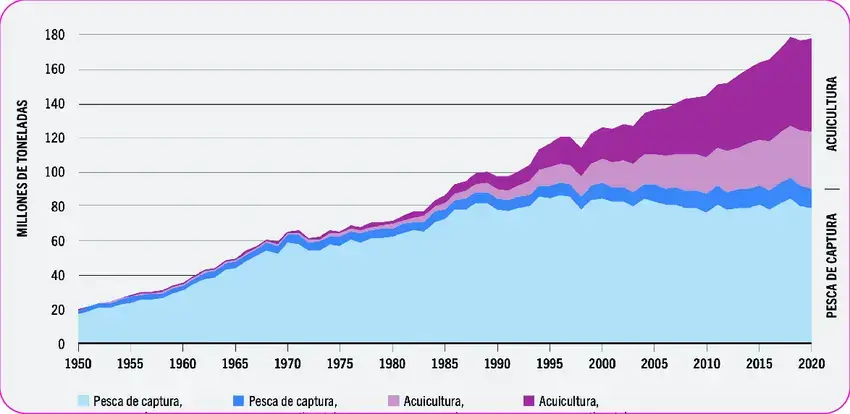
One of the most significant implications of the new aquaculture plan is its potential to strengthen global food security. By increasing the production of nutrient-rich seafood, aquaculture can help bridge the gap between growing food demand and the limitations of traditional agriculture. This is particularly important in regions where climate change has severely impacted crop yields, leading to food shortages and increased vulnerability to malnutrition.
The plan’s emphasis on sustainable practices ensures that this increase in food production does not come at the expense of the environment. By promoting methods that reduce resource consumption and minimize environmental impacts, the plan aims to create a food system that is both productive and sustainable in the long term.
As a result, aquaculture can play a crucial role in providing a stable and reliable source of food for future generations, even in the face of global climate challenges.
2. Enhancing Climate Resilience in Food Systems
The integration of climate resilience into the aquaculture plan is another key aspect that will have significant future implications. As climate change accelerates, the frequency and severity of extreme weather events should accelerate as well. As a result, this poses threats to traditional food production systems. Aquaculture offers a more controlled and adaptable method of food production, capable of withstanding these environmental fluctuations.
By fostering the development of climate-resilient aquaculture practices, the plan protects the industry itself. It also contributes to the broader resilience of global food systems. For example, the cultivation of species that are tolerant of higher temperatures or more variable water conditions ensures that aquaculture can continue to thrive even as the climate changes. Additionally, the plan’s focus on infrastructure improvements, such as the construction of protective coastal barriers and the restoration of natural ecosystems, further enhances the ability of aquaculture operations to withstand climate-related threats.
3. Promoting Environmental Stewardship
The future of food production must balance the need for increased output with the imperative to protect our natural environment. The new aquaculture plan addresses this challenge by embedding environmental stewardship into its core strategies. By promoting sustainable practices, supporting research into eco-friendly technologies, and advocating for responsible governance, the plan ensures that the growth of the aquaculture industry does not come at the expense of the planet.
Moreover, the plan encourages the integration of aquaculture with other environmental initiatives, such as marine conservation and habitat restoration. By aligning aquaculture practices with broader environmental goals, the plan contributes to the preservation of biodiversity and the protection of vital ecosystems. This holistic approach to food production represents a significant shift towards more sustainable and responsible practices that will benefit both people and the planet in the long term.
4. Economic Development and Job Creation
The economic implications of the new aquaculture plan are equally significant. By expanding aquaculture operations, the plan creates new opportunities for economic development, particularly in coastal and rural communities where traditional employment opportunities may be limited. The growth of the aquaculture industry can lead to the creation of new jobs, from farming and processing to research and technology development.
Furthermore, the plan’s emphasis on innovation and value-added products can increase the profitability of aquaculture operations, providing a boost to local economies. By supporting small-scale farmers and encouraging the development of sustainable supply chains, the plan ensures that the benefits of aquaculture are equitably distributed. This not only improves livelihoods but also contributes to the overall resilience of communities, making them less vulnerable to economic shocks and more capable of adapting to future challenges.
The economic implications of the new aquaculture plan are equally significant. By expanding aquaculture operations, the plan creates new opportunities for economic development, particularly in coastal and rural communities where traditional employment opportunities may be sparse. The growth of the aquaculture industry can lead to the creation of new jobs, from farming and processing to research and technology development.
Furthermore, the plan’s emphasis on innovation and value-added products can increase the profitability of aquaculture operations. Therefore providing a boost to local economies. It does so by supporting small-scale farmers and encouraging the development of sustainable supply chains. the plan ensures that the benefits of aquaculture are equitably beneficial. This not only improves livelihoods but also contributes to the overall resilience of communities. As a result, making them less vulnerable to economic shocks and more capable of adapting to future challenges.
5. Global Leadership and Collaboration
Finally, the new aquaculture plan positions the United States as a leader in the global effort to build a more sustainable and resilient food system. By sharing knowledge, best practices, and technological innovations with other nations, the U.S. can play a pivotal role. Making the US a leader in advancing global food security and environmental sustainability. The plan’s emphasis on international collaboration and partnerships ensures that these efforts have global effects not national. They also contribute to a collective global response to the challenges of climate change and food insecurity.

The future implications of this leadership are profound. As other nations adopt similar strategies and technologies, the cumulative impact could lead to a significant transformation of the global food system, making it more sustainable, resilient, and capable of meeting the needs of a growing population.
Aquaculture as a Pillar of Climate Resilience and Food Security
The White House’s new aquaculture plan marks a significant step forward in addressing two of the most pressing challenges of our time: food security and climate resilience. By harnessing the potential of aquaculture, this comprehensive strategy offers a sustainable solution that not only increases food production but also enhances the ability of our food systems to withstand the impacts of climate change.
Aquaculture, has the ability to produce nutrient-rich food in a controlled and efficient manner. Therefore positioning the practice to play a critical role in feeding the world’s growing population. The plan’s main emphasis is on sustainable practices, scientific innovation, and climate resilience. All the while ensuring that this growth can be achieved without compromising the health of our planet. This can all be done by promoting environmentally responsible farming techniques. The advancing research in alternative feeds and climate-adaptive species, and integrating big data and AI into farm management, also lays the groundwork for a more resilient and sustainable aquaculture industry.
As the United States leads the way in developing and implementing these strategies, the implications extend beyond national borders. Through international collaboration and knowledge-sharing, the advancements made in U.S. aquaculture can inspire and inform global efforts to build more sustainable and resilient food systems. The White House’s new aquaculture plan is not just a blueprint for the future of food production; it is a call to action for the global community to embrace innovation, sustainability, and resilience in the face of the unprecedented challenges that lie ahead.

Stay Connected with The Oyster Encyclopedia!
Follow us on social media to get the latest updates, oyster recipes, and behind-the-scenes glimpses into the world of oysters:
Stay tuned for exclusive content, oyster trivia, and more! Engage with our vibrant community of oyster enthusiasts by liking, commenting, and sharing our posts. Your support helps us continue providing valuable oyster knowledge to fellow seafood lovers worldwide.
Discover more from The Oyster Encyclopedia
Subscribe to get the latest posts sent to your email.