

Overfishing is a serious problem that creates a new endangered marine species more time than you know. This unsustainable practice disrupts the delicate balance within the marine ecosystem. This leads to adverse consequences for both lower and upper trophic levels.
Overfishing often goes hand in hand with wasteful types of commercial fishing. This is when commercial boats haul in massive amounts of unwanted fish or other animals, which are then discarded. Up to 40% of the world’s fisheries catch is wasted due to bycatch, which refers to the unintentional capture of non-target species.
When too many fish are taken out of the ocean, it creates an imbalance. This kind of imbalance can erode the food web and lead to a loss of other important marine life, including vulnerable species like sea turtles and corals. The damage done by overfishing goes beyond the marine environment.
Billions of people rely on fish for protein, and fishing is the principal livelihood for millions of people around the world. It is crucial to address overfishing. We do that by sustainable fishing practices and effective fisheries management. Over time these solutions will protect marine ecosystems and ensure the long-term viability of fish populations.
Endangered Marine Species

Whales: Blue whales and North Atlantic right whales are endangered as a result of overfishing[1][4]. 
Tuna: The southern bluefin tuna and bluefin tuna are endangered due to overfishing[1][2][5]. 
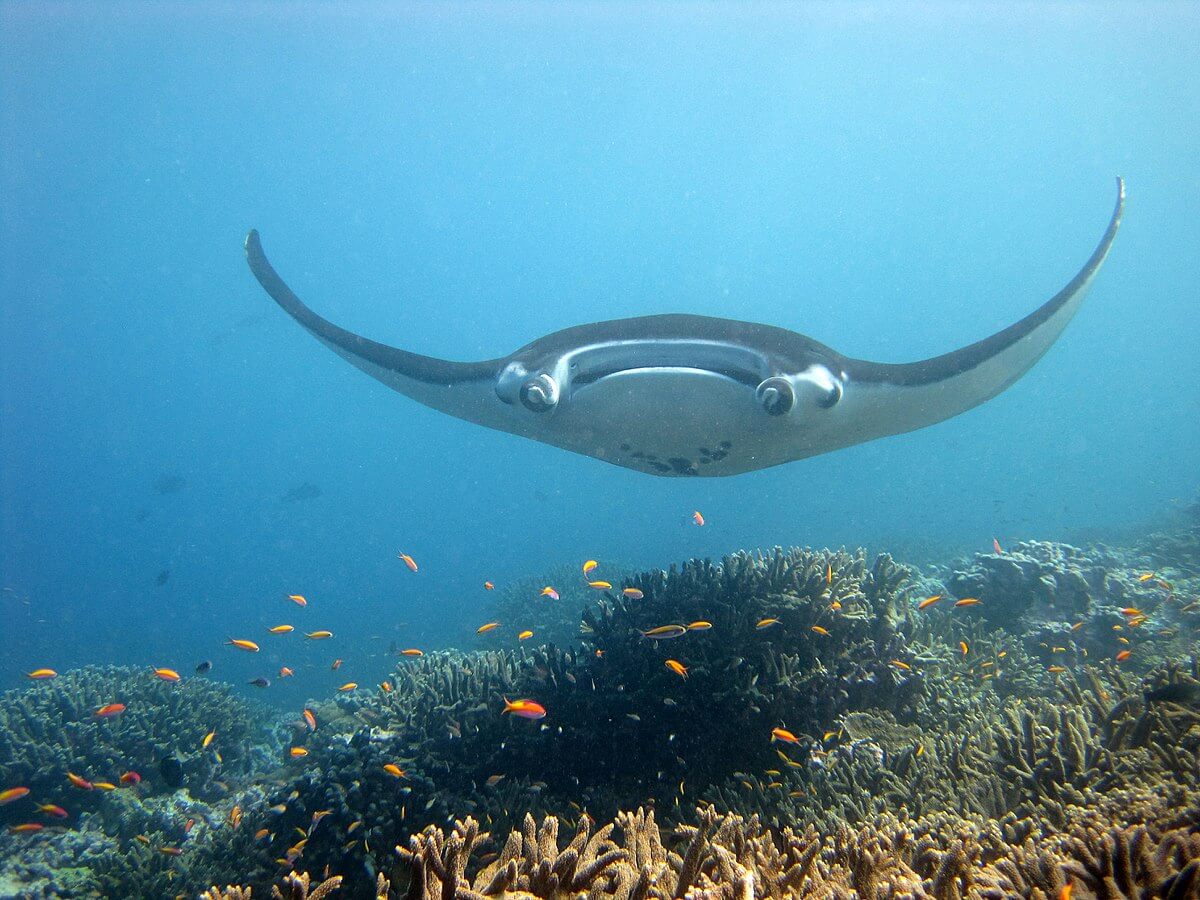
Manta Rays: Manta rays are at risk of extinction due to overfishing[1]. Giant Manta Ray Manta ray (Manta birostris). Image ID: corl0125, NOAA’s Coral Kingdom Collection. Location: Pacific Remote Islands, Howland Island. Photo Date: 2012 Photographer: Kevin Lino NOAA/NMFS/PIFSC/ESD 
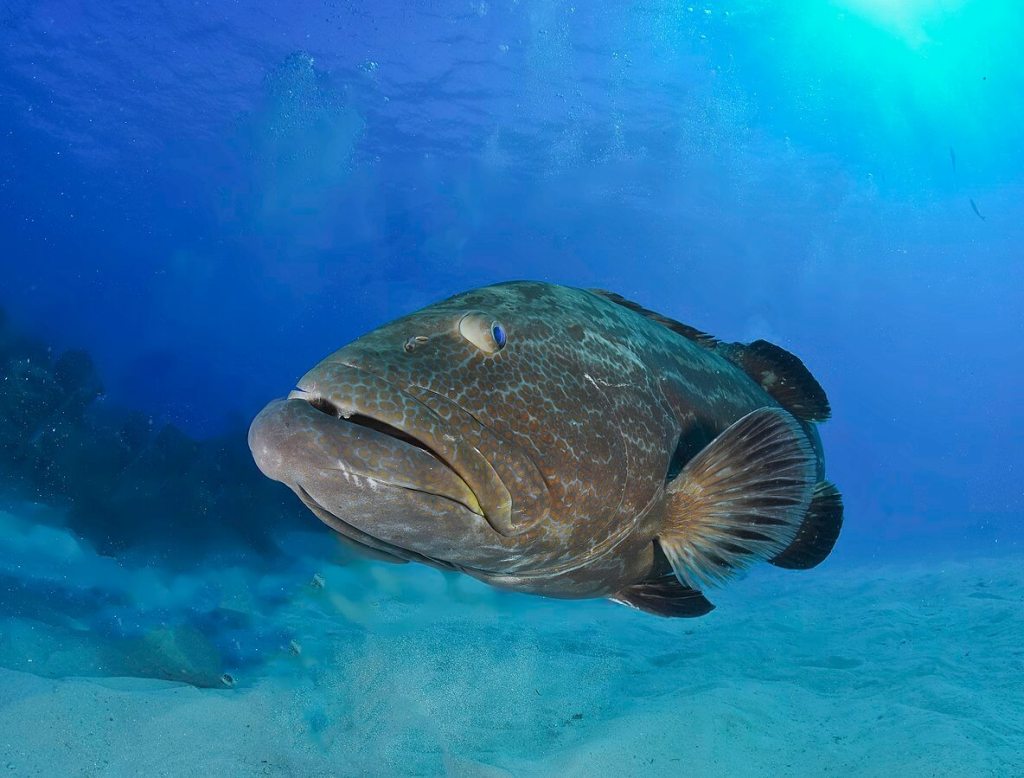
Groupers: Some species of groupers are endangered because of overfishing[1]. Black Grouper Description: Nederlands: Zwarte zeebaars. Date 9 February 2019, 21:32:33 Author Albert kok. 
Dolphins: Dolphins, such as the Hector’s dolphin, are threatened by overfishing[4]. Hector’s dolphin Creator: Tomas Sobek – http://tomassobekphotography.co.nz/ Copyright: Creative Commons Attribution (CC-BY). 
Salmon: Salmon populations are decreasing at an unsustainable rate due to overfishing[1].Salmon: This photo was taken by Hans-Petter Fjeld. © Hans-Petter Fjeld, some rights reserved. English: Atlantic Salmon, Salmo salar, Taken thru glas, in Atlanterhavsparken, Ålesund, Norway Date 4 July 2006, 11:44:21 (according to Exif data) Author Hans-Petter Fjeld. 
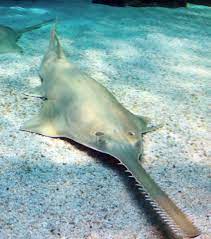
Sawfishes: Sawfishes are also listed as endangered due to overfishing[1][2]. Sawfish This image was originally posted to Flickr by “passamanerie” at https://www.flickr.com/photos/12171003@N00/5733763804. It was reviewed on 29 June 2011 by FlickreviewR and was confirmed to be licensed under the terms of the cc-by-sa-2.0.. 
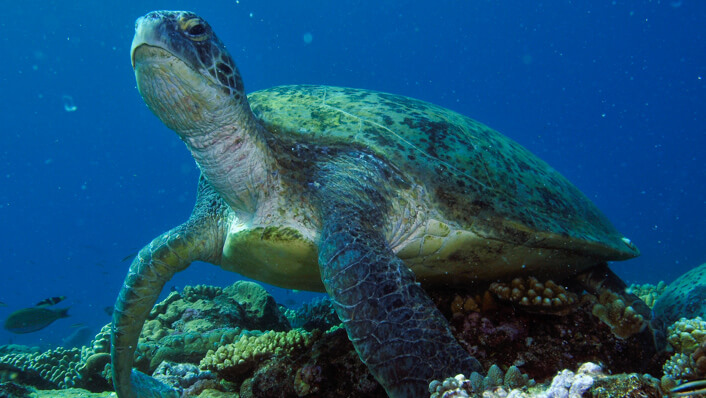
Sea Turtles: Various species of sea turtles, including loggerheads, green turtles, and olive ridley turtles, are endangered due to overfishing[1][2]. 
Seahorses: Seahorses are listed as endangered due to overfishing[1]. 
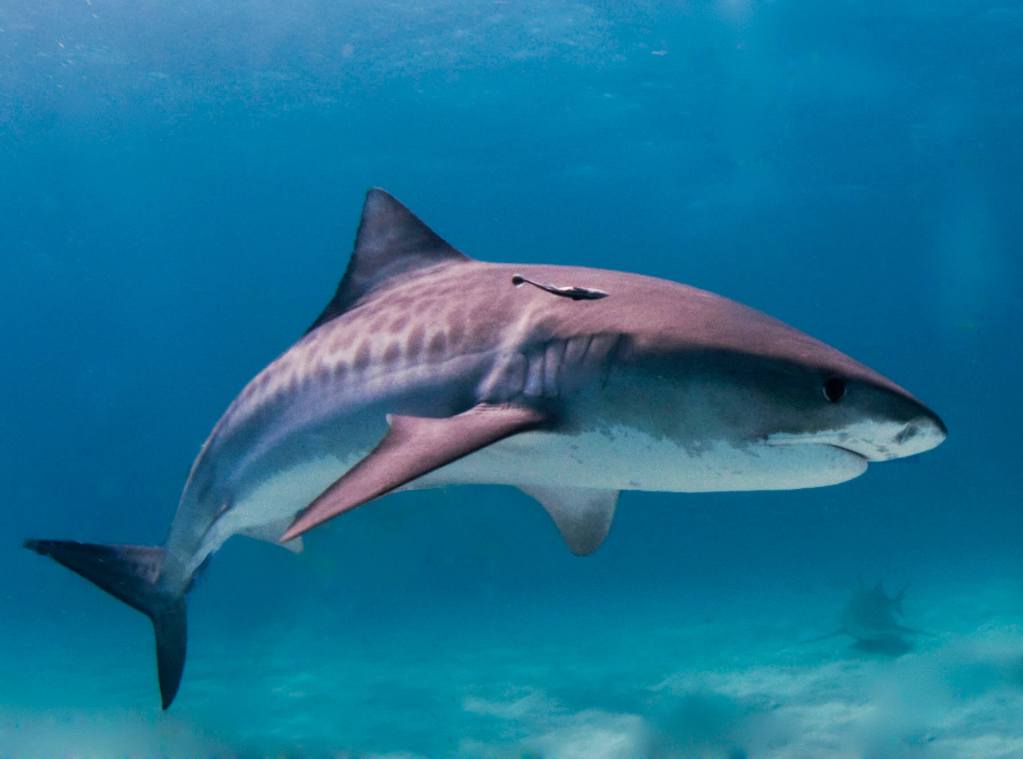
Sharks: More than one-third of all sharks, rays, and chimaeras are at risk of extinction because of overfishing[2][3][5].





Over Fishing Solutions
Here are some solutions to overfishing that can help protect endangered marine species:
- Adopt Rights-Based Fishery Management: This approach gives fishermen a stake in the fishery and encourages them to manage the resource sustainably[7].
- Apply Regulations on Fishing Nets: Regulations on fishing gear, such as mesh size and the use of escape hatches, can help reduce bycatch and protect non-targeted species[7].
- Protect Essential Predator Species: Protecting essential predator species, such as sharks and tuna, can help maintain the balance of marine ecosystems and prevent the collapse of fish populations[7].
- Increase Marine Protected Areas and Enhance Controls: Establishing and effectively managing marine protected areas can provide safe havens for endangered species to recover and thrive[7][8].
- Require Traceability Standards: Requiring traceability standards for seafood products can help prevent illegal, unreported, and unregulated fishing and promote sustainable fishing practices[7].
- Impose A Ban on Fishing in International Waters: Introducing a ban on fishing in international waters would likely be an effective solution to overfishing. Given the effectiveness of protected waters in saving fish populations and the current lack of regulation of fishing in international waters[7].

Individuals can also take action to help prevent overfishing and protect endangered marine species. Some actions include choosing sustainable seafood, reducing food waste, and sharing information. While other actions could be encouraging sustainable fishing practices, advocating for policy change, supporting marine protected areas, and combating illegal fishing[7][8].
By implementing these solutions and taking collective action, it is possible to mitigate the effects of overfishing and protect endangered marine species from extinction. It requires a combination of sustainable fishing practices, effective regulations, conservation efforts, and global cooperation to ensure the long-term health and survival of our oceans’ biodiversity.
Citations:
[1] https://www.marinebio.org/conservation/marine-conservation-biology/threatened-endangered-species/
[2] https://www.worldwildlife.org/threats/overfishing
[3] https://www.worldwildlife.org/stories/overfishing-puts-more-than-one-third-of-all-sharks-rays-and-chimaeras-at-risk-of-extinction
[4] https://www.marineinsight.com/environment/10-endangered-ocean-species-and-marine-animals/
[5] https://animals.howstuffworks.com/endangered-species/top-10-most-endangered-fish.htm
[6] https://www.americanoceans.org/facts/most-endangered-marine-species/
[7] https://earth.org/solutions-to-overfishing/
[8] https://utopia.org/guide/4-solutions-to-overfishing-and-what-you-can-do/
Discover more from The Oyster Encyclopedia
Subscribe to get the latest posts sent to your email.