
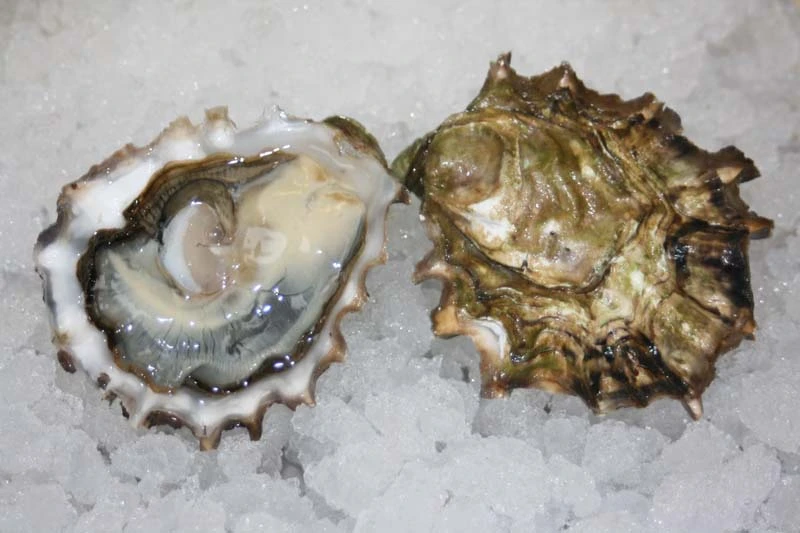

Chef’s Notes
Mason Bostwick · Executive Chef
Pacific oyster
Malaspina — Malaspina — Strong minerality — mild sweetness. A solid farmed pacific oyster.
Flavor chart
Chef palate read
Shuckability
Shell & line performance
When I buy it
Look for Malaspina Oysters in peak season when conditions are optimal.
How I serve it
On the half shell with minimal garnish — let the oyster speak.
What to watch for
Mild salinity with creamy finish. Reject any with broken shells or milky liquor.
My read
Strong minerality — mild sweetness. A solid farmed pacific oyster.
Malaspina oysters, originating from the pristine waters of Malaspina Inlet on Vancouver Island, British Columbia, stand out due to their unique cultivation methods and distinct flavor profile. The suspension tray method raises these oysters, creating a more aesthetically pleasing but brittle shell than beach-cultured oysters. This method ensures that the oysters are protected from predators and environmental stressors, allowing them to develop tender, creamy white meats with a mild, sweet flavor and a notable watermelon accent.
The flavor of Malaspina oysters is particularly distinctive. This combination of sweetness and saltiness, along with the unique watermelon undertone, sets them apart from other Pacific Northwest oysters. The clean, delicate flavor profile results from the Sunshine Coast’s nutrient-rich waters, contributing to the oysters’ plump and firm texture.
In addition to their flavor, Malaspina oysters are known for their thick shells with deep cups. This makes them ideal for shucking and serving on the half-shell. The shells’ robustness and the oysters’ consistent size and shape make them a favorite among chefs and enthusiasts. Their availability from September to July ensures a steady supply for culinary use, further enhancing their appeal in the seafood market.
What Are Malaspina Oysters?
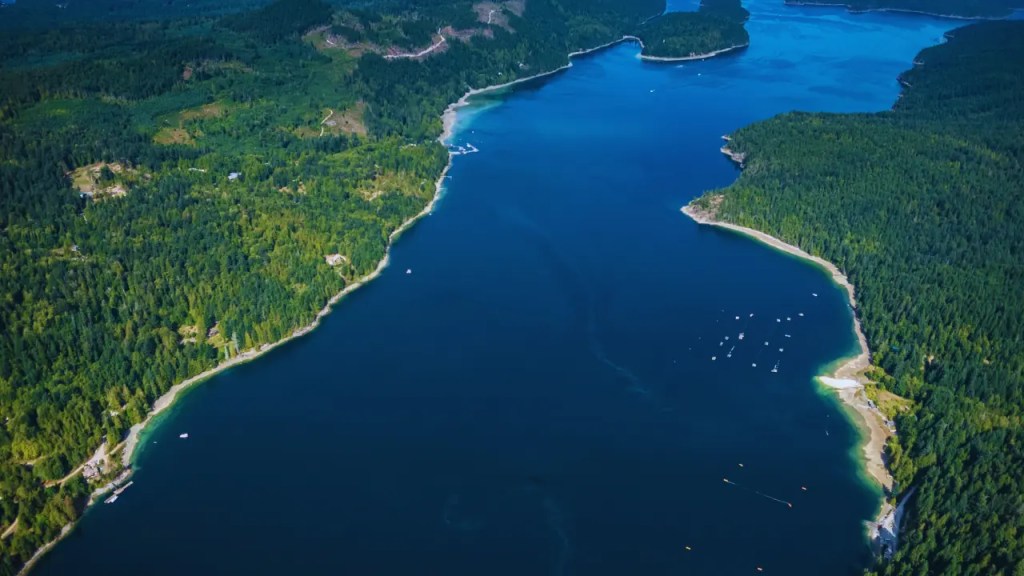
Malaspina Oysters are farmed Eastern oyster tied to They are grown on the gravel. shores of Malaspina Inlet, which is part of the interconnected basins adjacent to the. Malaspina Peninsula, including Okeover Inlet, Theodosia Inlet, and Lancelot Inlet..
On the half shell the line reads Mild sweetness with salinity near 33–35 ppt.
Malaspina oysters have creamy-white flesh and simple, narrow khaki shells. The shells are thick with a bottomless cup, resulting from their intertidal beach cultivation. These oysters are visually appealing with their clean, straightforward appearance.
How Did Malaspina Oysters Get Their Name?
Malaspina oysters derive their name from the Malaspina Inlet on the Sunshine Coast of British Columbia, Canada. This region is famous for its pristine waters and ideal conditions for oyster farming. The name “Malaspina” is historically significant. It is associated with the Spanish explorer Alessandro Malaspina. He conducted extensive explorations along the Pacific Northwest coast in the late 18th century. The nutrient-rich waters of Malaspina Inlet cultivate the oysters. This contributes to their distinct flavor profile and quality, making the name synonymous with the region’s aquaculture heritage.
Malaspina Oysters Information

Pacific oyster
Location
They are grown on the gravel shores of Malaspina Inlet, which is part of the interconnected basins adjacent to the Malaspina Peninsula, including Okeover Inlet, Theodosia Inlet, and Lancelot Inlet.
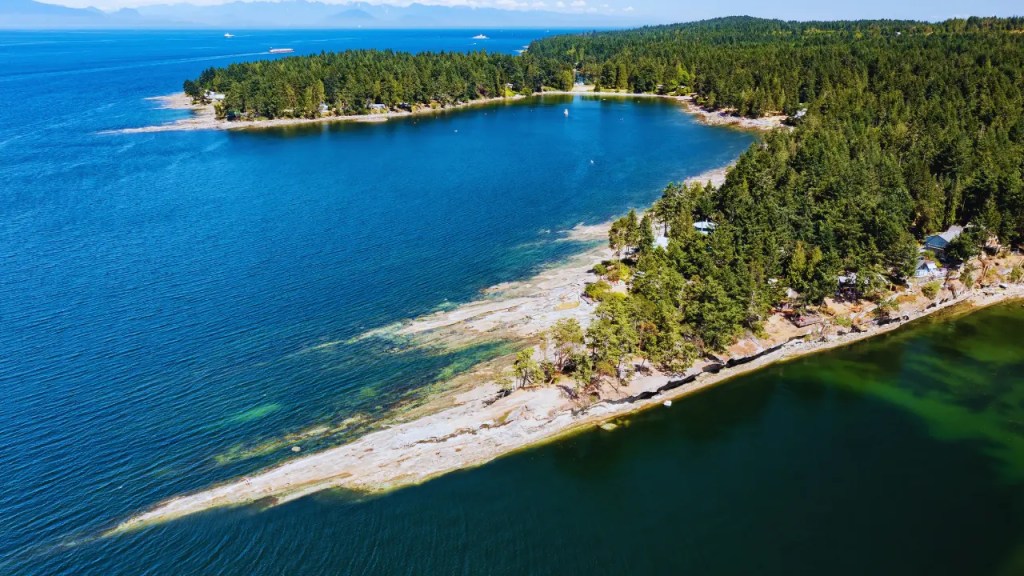
Malaspina Inlet and Okeover and Malaspina Inlets form a crucial part of the aquaculture network in British Columbia, specializing in oyster farming. This region, known for its pristine and remote conditions, offers an ideal environment for cultivating Malaspina oysters. The nutrient-rich waters of the inlet and its optimal salinity levels are essential for the growth and health of oysters. The area’s aquaculture practices have evolved. They have shifted from intertidal beach cultivation to suspension tray cultivation. This has enhanced the oysters’ quality and shell life. The unique conditions of their growing area attribute the plump, creamy white meats of Malaspina oysters with a mild, sweet flavor and a distinctive watermelon accent.
The Malaspina Inlet and its surrounding waters provide a conducive environment for oyster farming. They play a big part in the local ecosystem and economy. The inlet is part of a larger complex that includes Okeover, Theodosia, and Lancelot Inlets. Collectively, they contribute to one of the province’s highest concentrations of shellfish aquaculture tenures. This aquaculture network supports a diverse range of marine life. It offers livelihoods to many individuals through oyster farming and related activities. The commitment of local farmers to sustainable practices and water cleanliness further underscores the importance of this region. The region is known for producing high-quality oysters like the Malaspina. This makes it a valuable asset to British Columbia’s aquaculture industry.
Suggested Beverage Pairings
This Muscadet offers high acidity and mineral notes that perfectly balance the rich, creamy taste of the oysters. Its crisp, clean finish enhances the oysters’ buttery flavor, making each bite and sip a harmonious experience.
The yeasty, bready flavor and fine bubbles of Veuve Clicquot Brut Champagne provide a delightful textural contrast to the smooth, creamy oysters. The champagne’s acidity and effervescence cleanse the palate, allowing the oyster’s buttery notes to shine through with each sip.
A Hendrick’s Gin Martini has subtle cucumber and floral notes. This cocktail pairs beautifully with the buttery flavor of the oysters. The gin’s botanical complexity and the martini’s crispness cut through the richness of the oysters, providing a refreshing contrast.
This Belgian-style wheat beer, with its light, citrusy flavor, and subtle spice notes, offers a crisp and refreshing profile that complements the creamy texture of these oysters. It enhances their buttery richness without overpowering their delicate flavors.
Made with tequila, grapefruit juice, and a touch of salt. A Paloma pairs exceptionally well with the creamy, buttery oysters. The bright, citrusy flavors of the grapefruit and the light, refreshing nature of the cocktail enhance the oysters’ richness while the salt complements their natural saltiness.
Where Can I Buy Malaspina Oysters?
- Marinelli Shellfish – Specializes in farm-raised oysters from the Pacific Northwest, offering over 30 distinct oyster varieties like Kumamoto, Olympia, Malaspina, and many more.
- Superior Foods – has a contact form on its website for inquiries related to marketing, potential customers/vendors, logistics, warehousing, finance, careers, and IT support.
- Fortune Fish & Gourmet – is an Illinois-based seafood and specialty food distributor founded in 2001, serving the Midwest region with over 12,000 products for
References
- Marinelli Shellfish. Web. Accessed 30 May 2026. https://www.marinellishellfish.com/articles/oysters/malaspina-oyster.html
- Superior Foods. Web. Accessed 30 May 2026. https://www.superiorfoods.co/wp-content/uploads/2023/06/Oyster-West_East-Coast-Information-Sheets-1.pdf
- Fortune Fish & Gourmet. Web. Accessed 30 May 2026. http://www.fortunefishco.net/assets/live-oyster-descriptions-2014.pdf
Discover more from The Oyster Encyclopedia
Subscribe to get the latest posts sent to your email.